We are processing your request.
Please, don't close or refresh the page.

Visit London: Royal Landmarks & Riverside Icons

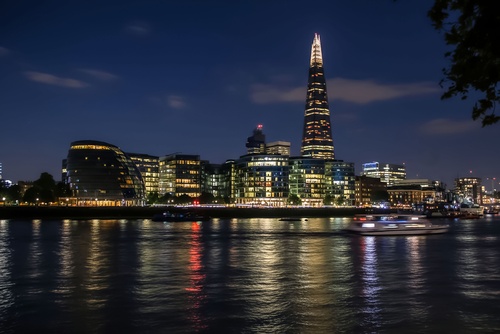
From the Tower of London to the South Bank, the best things to do in London sit within a few Tube stops of each other.

How to Get to London City

London Heathrow Airport (LHR) and the city's five other airports

  • Elizabeth Line The best all-round option from Heathrow: about 28 minutes to Paddington, then through trains on to Bond Street, Tottenham Court Road, Liverpool Street and Canary Wharf without changing.
  • Heathrow Express Non-stop to Paddington in around 15 minutes. The fastest route into central London, and the most expensive unless you book in advance.
  • Piccadilly Line The cheapest rail link from Heathrow, roughly 50 minutes to central London with stops at South Kensington, Piccadilly Circus and King's Cross.
  • Gatwick, Stansted, Luton, City & Southend Gatwick Express reaches Victoria in about 30 minutes, Stansted Express runs to Liverpool Street in 50, and London City Airport sits on the DLR 25 minutes from Bank. Black cabs and rideshare services cover every airport.

FAQs About Visiting London City

What are the best things to do in London for first-time visitors?

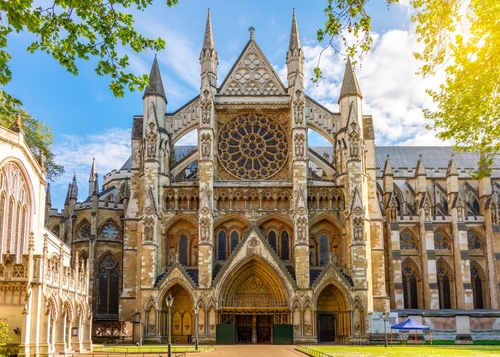
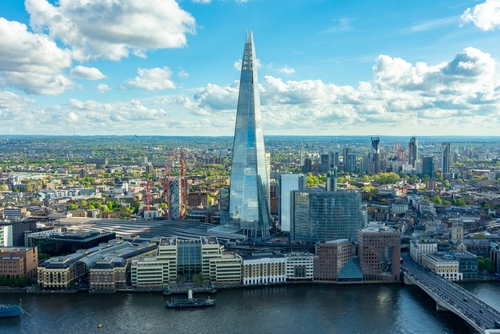
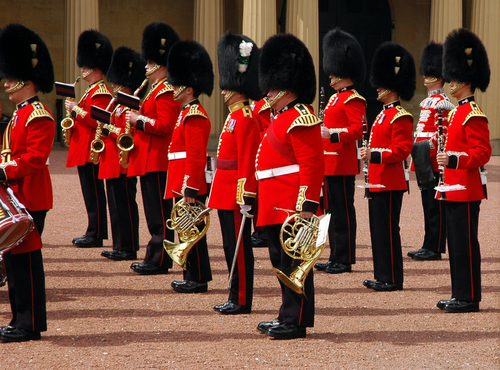
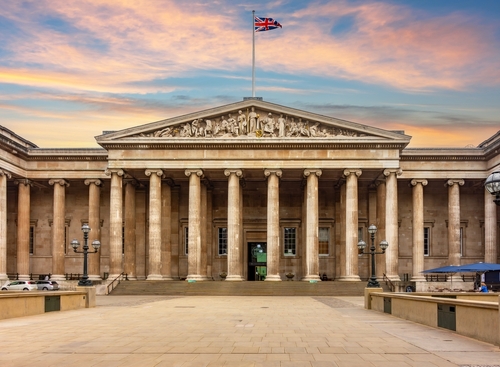
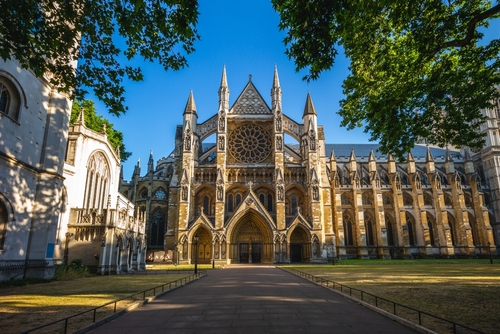
Start with the Tower of London and the Crown Jewels, then Westminster Abbey, Big Ben and the London Eye. Walk the South Bank between the London Eye and Tower Bridge to take in Tate Modern, Shakespeare's Globe and Borough Market on the way. Add Buckingham Palace for the Changing of the Guard, the British Museum for a free afternoon, and one West End show.

How many days do you need in London?

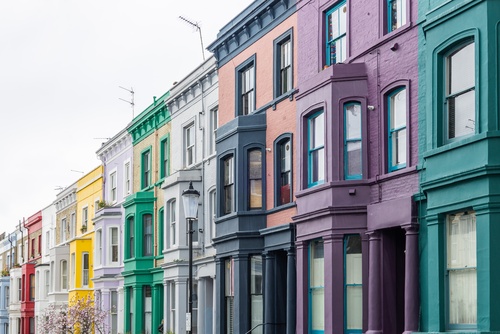
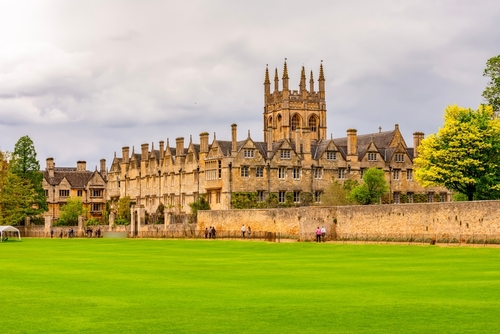
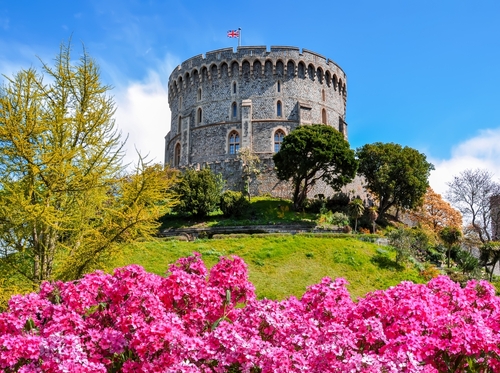
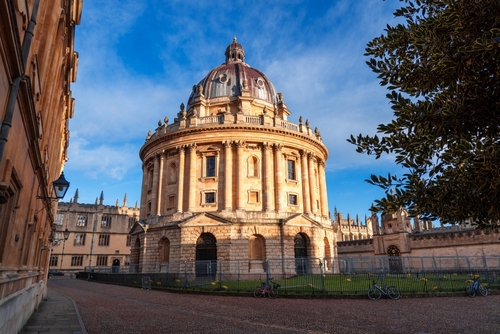
Three days covers the main landmarks and one museum without rushing. Four or five days gives you time for the free museums, a market morning, a neighbourhood like Shoreditch or Notting Hill, and a day trip to Windsor or Oxford. A weekend works if you book the big-ticket attractions in advance and stay central.

What is the best time to visit London?

May and September are the best months: long daylight hours, mild weather and lighter crowds than midsummer. July and August bring the highest prices and the longest queues. December fills the city with Christmas markets and ice rinks, and January and February are the cheapest time to come, with flights and hotels well below summer rates.

How do you get around London?

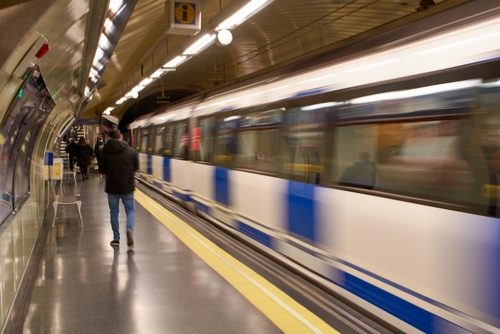
The London Underground reaches almost every attraction, and buses cover the gaps. Tap in and out with a contactless bank card or phone rather than buying an Oyster card, since the fares and daily caps are identical and there's no card fee. The Zones 1 to 2 daily cap is £8.90 in 2026. Central London is also compact enough that many sights are ten minutes apart on foot.

What are the best day trips from London?

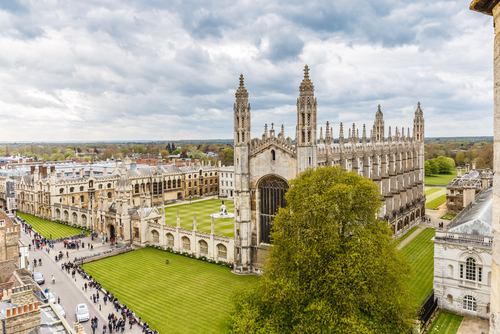
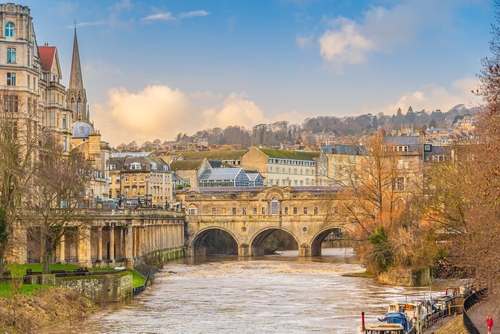
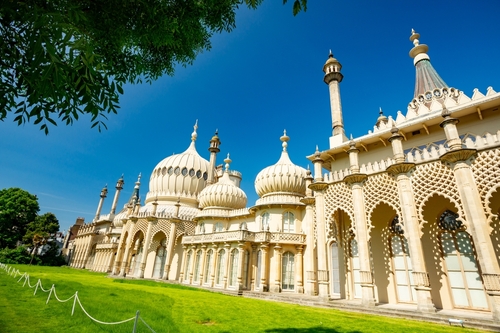
Windsor Castle is 40 minutes from Paddington, Cambridge about 50 minutes from King's Cross, Brighton under an hour from Victoria and Oxford an hour from Paddington. Bath takes 90 minutes and deserves a full day. Stonehenge needs a train to Salisbury plus the tour bus, or a coach trip from London. The Warner Bros. Studio Tour for Harry Potter sells out weeks ahead.

Which areas are best to stay in London?

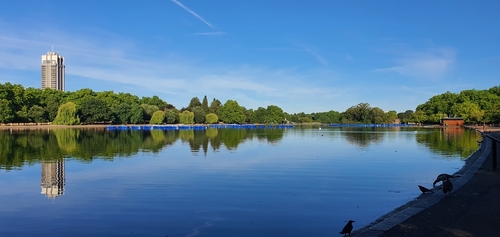
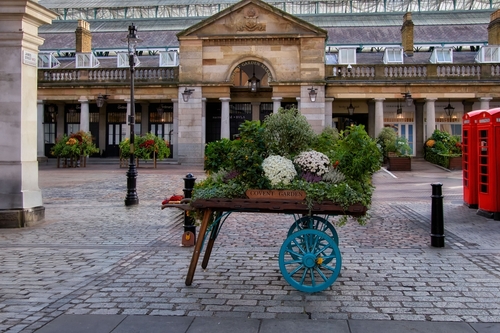
Covent Garden and Soho put you inside the West End and within walking distance of most landmarks, though Soho is noisy late. South Bank and Marylebone suit families. Shoreditch and Camden cost less and have more local character, at the price of a longer trip to the classic sights. Kensington works well if the museums and Hyde Park are your priority.

Is London expensive to visit?

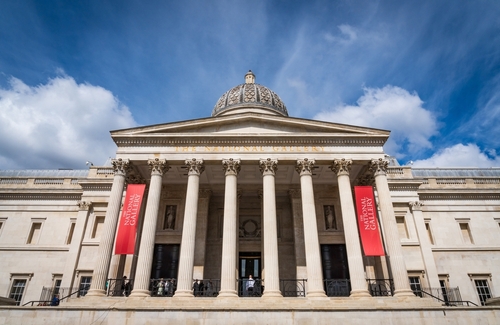
Accommodation and paid attractions are where the money goes, but a lot of London costs nothing. The British Museum, National Gallery, Tate Modern, Natural History Museum and V&A are all free, the parks and markets are free to walk through, and public transport is capped daily. Booking attraction tickets online in advance usually beats the gate price.