We are processing your request.
Please, don't close or refresh the page.
Tourism Tickets Spain Madrid

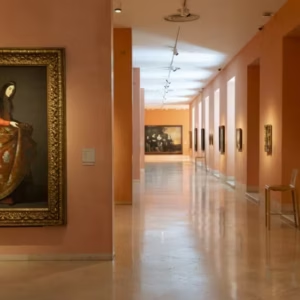
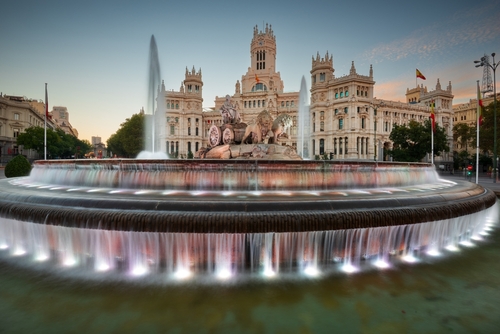
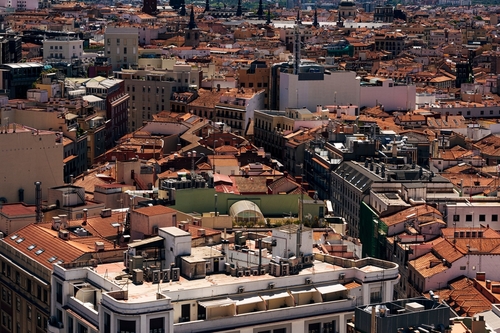
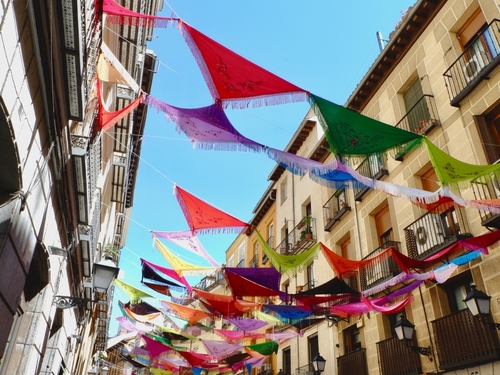
Visit Madrid: Vibrant Art & Culture

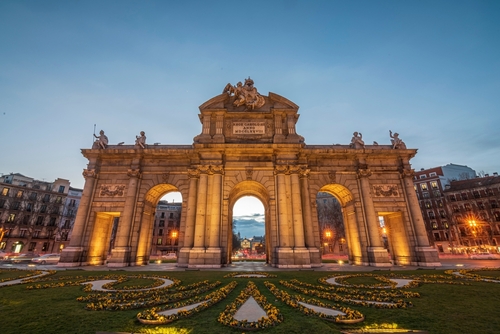
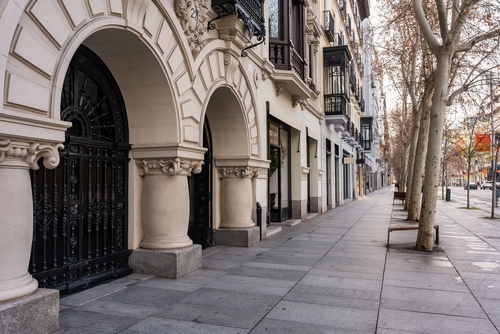
Historic squares and vibrant culture make Madrid truly captivating.

How to Get to Madrid City

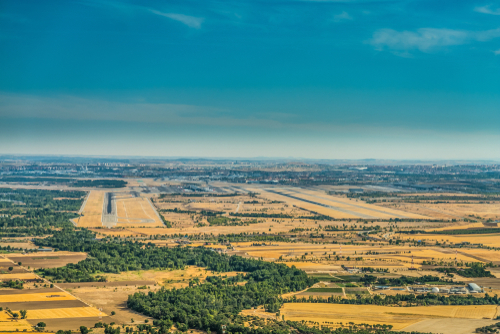
Adolfo Suárez Madrid–Barajas Airport (MAD)

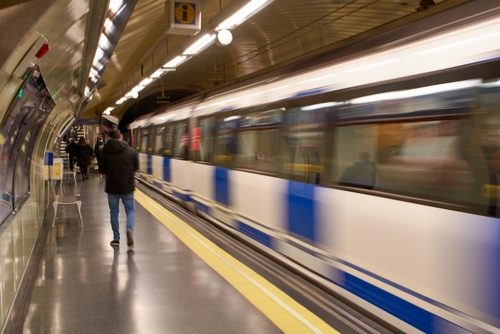
  • Metro Line 8 Direct connection from the airport to Nuevos Ministerios station in central Madrid, with easy transfers to the wider metro network.
  • Cercanías Commuter Rail (C1 & C10) Fast rail links from Terminal 4 to key stations including Chamartín, Nuevos Ministerios and Atocha.
  • Airport Express Bus Operates 24 hours between the airport and central Madrid, including stops near Atocha and Cibeles.
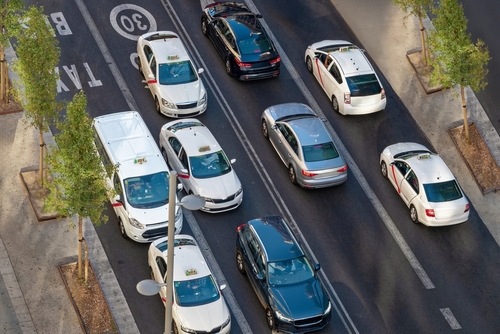
  • Taxi & Rideshare Official airport taxis offer a fixed fare to central Madrid, while rideshare services such as Uber and Cabify are also widely available.

Madrid Atocha & Chamartín Stations

  • Madrid-Puerta de Atocha-Almudena Grandes Main hub for high-speed AVE trains connecting Madrid with Barcelona, Seville, Málaga, Valencia and other major Spanish cities.
  • Madrid Chamartín-Clara Campoamor Serves both high-speed and regional rail services, including routes to northern Spain.
  • Cercanías Trains Convenient commuter rail network connecting major stations, suburbs and the airport.
  • Metro Connections Both stations are integrated with Madrid's metro system for easy onward travel.

Long-Distance & Regional Buses

  • Estación Sur de Autobuses Madrid's largest bus terminal, serving destinations across Spain and neighbouring countries.
  • Intercity Services Frequent buses connect Madrid with Toledo, Segovia, Ávila, Salamanca and other nearby cities.
  • Airport Connections Several regional and long-distance operators provide direct airport links.
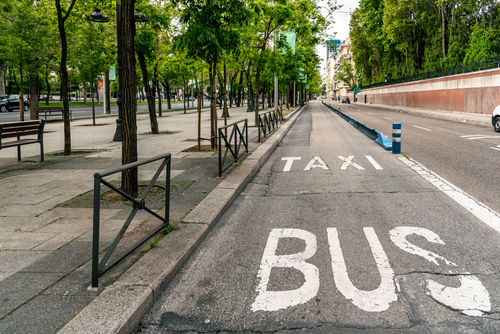
  • Local EMT Buses Extensive city bus network covering areas beyond the metro system.

Driving to Madrid

  • Major Highways Madrid is connected to the rest of Spain via major routes including the A-1, A-2, A-3, A-4, A-5 and A-6 motorways.
  • Parking Considerations Parking in the historic centre can be limited and expensive; public car parks are widely available.
  • Low Emission Zone (ZBE) Certain areas of central Madrid have environmental restrictions that drivers should check before entering.
  • Park & Ride Options Several facilities on the outskirts allow visitors to combine driving with public transport into the city centre.

FAQs About Visiting Madrid City

What are the best things to do in Madrid for first-time visitors?

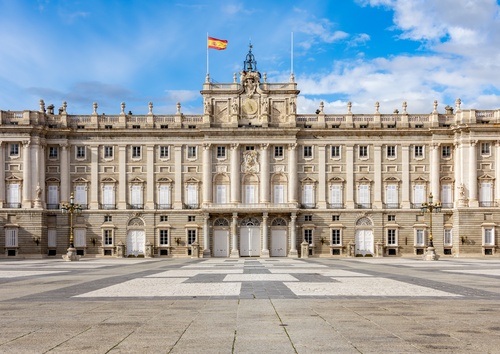
First-time visitors should explore Madrid's iconic landmarks, including the Royal Palace, Prado Museum, Retiro Park, Plaza Mayor, Puerta del Sol, and Gran Vía. Many travellers also enjoy visiting Mercado de San Miguel, watching a flamenco performance, and exploring neighbourhoods such as La Latina and Malasaña.

How many days do you need to visit Madrid?

Most travellers find that 3 days in Madrid is ideal for experiencing the city's major attractions, museums, neighbourhoods, and food scene. If you plan to take day trips to Toledo, Segovia, or El Escorial, consider staying 4–5 days.

What is the best time to visit Madrid?

The best time to visit Madrid is during spring (March to May) and autumn (September to November), when temperatures are pleasant and sightseeing conditions are ideal. Summer offers lively events and outdoor dining, while winter brings festive markets and holiday celebrations.

Is Madrid easy to get around without a car?

Yes. Madrid has one of Europe's most efficient public transportation systems, including an extensive metro, bus, and commuter rail network. Most major attractions in the city centre are also within walking distance of one another, making Madrid easy to explore without a car.

What are the best day trips from Madrid?

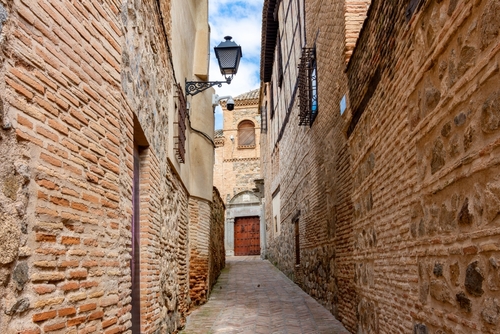
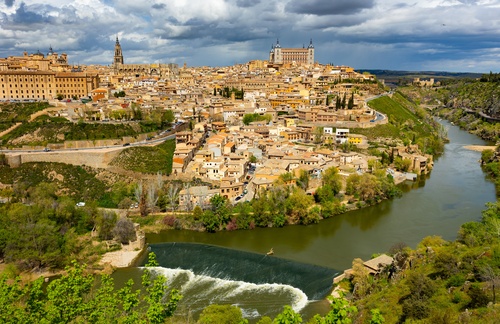
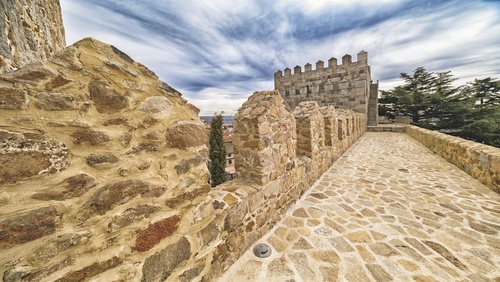
Popular day trips from Madrid include Toledo, Segovia, El Escorial, Ávila, Aranjuez, and Alcalá de Henares. These destinations offer historic landmarks, UNESCO World Heritage Sites, royal palaces, medieval architecture, and beautiful landscapes within easy reach of the capital.

Which neighbourhoods are best to stay in Madrid?

Sol and Gran Vía are ideal for first-time visitors, while La Latina is known for its tapas culture and historic atmosphere. Malasaña and Chueca offer vibrant nightlife and local character, while Salamanca is popular for luxury shopping, elegant hotels, and upscale dining.

Is Madrid worth visiting as part of a Spain itinerary?

Absolutely. Madrid is one of Spain's most important cultural destinations, home to world-class museums, royal landmarks, renowned food markets, and lively neighbourhoods. Its central location and excellent transport connections also make it an ideal base for exploring destinations such as Toledo, Segovia, and other highlights of central Spain.