We are processing your request.
Please, don't close or refresh the page.

Discover Milan: Things to Do in Italy’s Fashion and Culture Capital

From the iconic Duomo to Leonardo’s Last Supper, explore the best things to do in Milan Italy and discover a city that blends world-class art, designer fashion, and irresistible food culture
Things to Do in Milan
Iconic Landmarks & Cathedral Culture
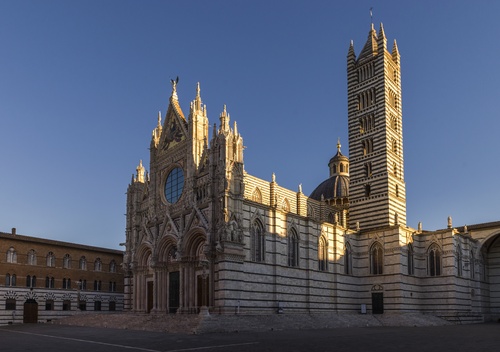
The most unmissable things to do in Milan Italy begin at the Duomo di Milano, a breathtaking Gothic cathedral with 135 spires and rooftop terraces offering sweeping city views. Nearby, the Galleria Vittorio Emanuele II — one of the world's oldest shopping malls — dazzles with its soaring glass roof and mosaic floors. Both define the very heart of Milan.

Art Museums & Renaissance Masterpieces
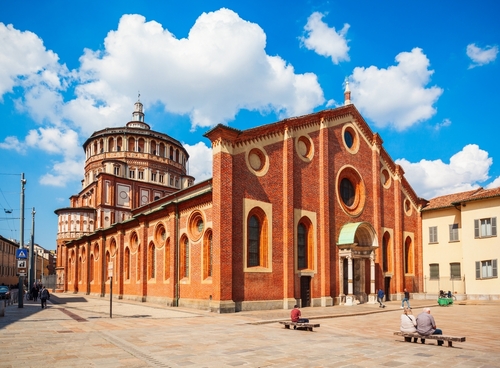
Milan is one of Europe's great art cities. Book ahead to see Leonardo da Vinci's Last Supper at Santa Maria delle Grazie — arguably the world's most famous painting. The Pinacoteca di Brera houses masterworks by Raphael, Caravaggio, and Mantegna, while the Pinacoteca Ambrosiana holds da Vinci drawings and a superb Old Masters collection.

Fashion, Design & the Quadrilatero della Moda
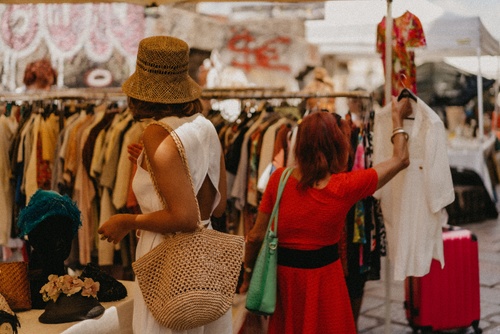
Milan is the global capital of fashion and design, and nowhere is that clearer than in the Quadrilatero della Moda — a grid of four prestigious streets including Via Montenapoleone, reputedly the most expensive shopping street in the world. Even for non-shoppers, the window displays, flagship stores, and street style are a spectacle in their own right.

Aperitivo, Risotto & Milanese Food Culture
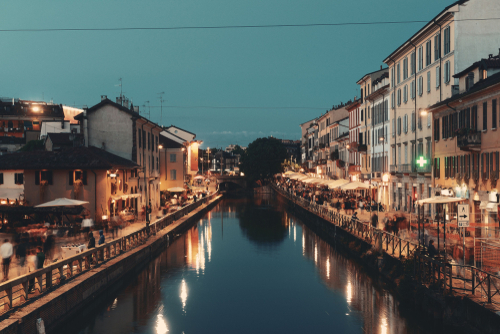
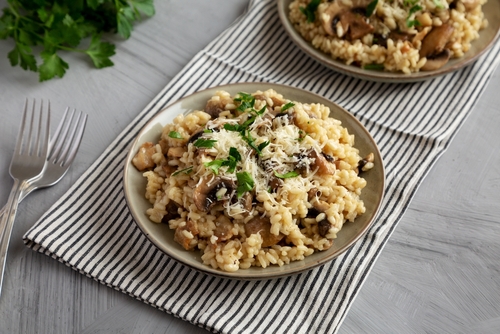
Milan invented the aperitivo — the early-evening ritual of drinks and snacks that often substitutes for dinner. Join locals at a Navigli canal-side bar or a Brera café for a Negroni Sbagliato or Aperol Spritz. Pair it with the city's signature dishes: risotto alla milanese with its golden saffron colour, hearty cotoletta, and slow-braised ossobuco.

Navigli Canals, Nightlife & Modern Milan

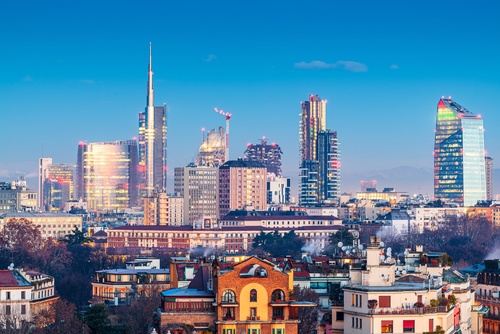
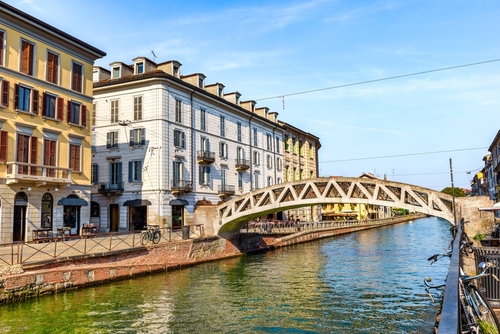
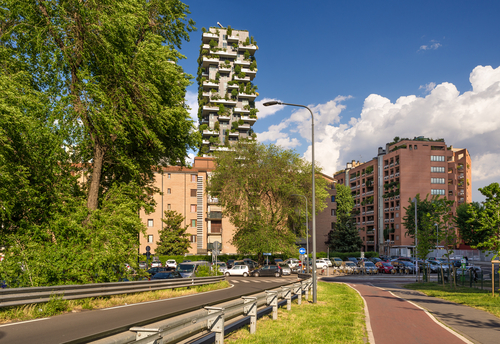
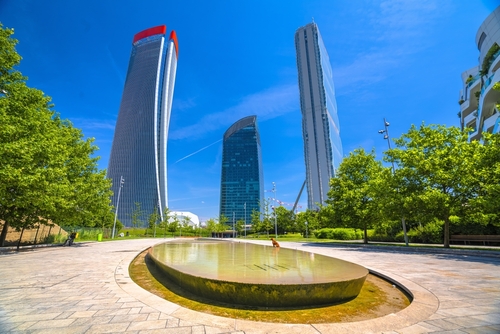
Stroll along the Navigli canals, where 19th-century waterways now line bar terraces and artisan workshops. After dark, the Navigli and Isola districts buzz with Milan's vibrant nightlife scene. For a glimpse of contemporary Milan, head to Porta Nuova to see the Bosco Verticale — the iconic vertical forest skyscraper — and the striking Tre Torri towers.

Milan Neighborhoods

Centro Storico (Duomo Quarter)
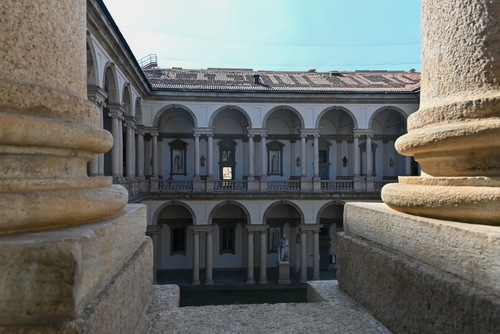
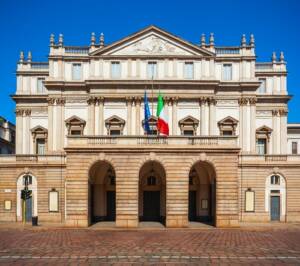
The historic heart of Milan radiates from the Piazza del Duomo, where the cathedral's 135 spires dominate the skyline. This is where first-time visitors should begin, with the Galleria Vittorio Emanuele II, La Scala opera house, and the Royal Palace all within walking distance. Expect the most tourist activity and the highest hotel prices in the city.

Brera

Widely considered Milan's most elegant neighbourhood, Brera is a web of cobbled streets lined with art galleries, antique shops, and sophisticated cafés. Home to the Pinacoteca di Brera art gallery and the city's Botanical Garden, it rewards slow exploration. The aperitivo bars here are refined and intimate — perfect for an evening drink before dinner.

Navigli

Milan's canal district is romantic by day and lively by night. The Navigli's 19th-century waterways are now flanked by aperitivo bars, vintage boutiques, and trattorias — a favourite gathering spot for locals and the city's most atmospheric nightlife zone. Expect a Bohemian energy that contrasts sharply with the polished fashion districts to the north.

Isola

Once a working-class enclave, Isola has become Milan's trendiest neighbourhood. Independent coffee shops, design boutiques, and farm-to-table restaurants line streets where locals outnumber tourists. The area also borders Porta Nuova — home to the Bosco Verticale's tree-covered towers — making it a fascinating mix of old neighbourhood character and 21st-century architecture.

Porta Venezia

One of Milan's most diverse and vibrant districts, Porta Venezia is known for its Liberty-style architecture, tree-lined boulevards, and a thriving café and bar scene. The neighbourhood borders the Giardini Pubblici — the city's main public gardens — and has a particularly lively aperitivo culture, with terraces that fill up on warm evenings.

Porta Nuova

Milan's most dramatic modern district, Porta Nuova transformed a disused rail yard into a skyline of cutting-edge architecture. The Bosco Verticale — vertical forest towers covered in trees and shrubs — is one of the most photographed buildings in contemporary Italy. The area also has excellent restaurants, flagship stores, and excellent public spaces that connect to the Isola neighbourhood.

How to Get to Milan

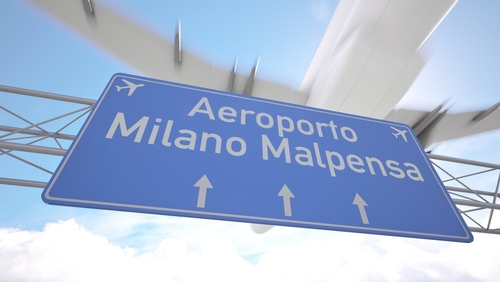
Milan is served by three airports. Malpensa (MXP) is the main international gateway, located around 50 km northwest of the city centre and handling most long-haul and major European routes. Linate (LIN) is the city airport just 7 km east of the centre, serving mainly domestic and short-haul European flights. Orio al Serio (BGY) near Bergamo is used by low-cost carriers and is around 50 km from Milan. Getting from Malpensa Airport to the city:

  • Malpensa Express Direct train to Milano Centrale or Milano Cadorna in approximately 50 minutes — the fastest and most reliable option (€13 one way)
  • Malpensa Bus Express Coach services to Milano Centrale in approximately 50–60 minutes — a budget-friendly alternative (from €10)
  • Taxi Fixed fare of €110 to central Milan — approximately 1 hour depending on traffic
  • Linate Airport City buses and taxis connect directly to central Milan in 20–30 minutes — ideal for Linate arrivals

Milano Centrale is one of Italy's busiest rail hubs, served by Trenitalia's Frecciarossa and Italo high-speed trains connecting the city to all major Italian destinations. Main station: Milano Centrale

  • Rome to Milan (approximately 2 hours 40 minutes by high-speed Frecciarossa)
  • Florence to Milan (approximately 1 hour 55 minutes)
  • Venice to Milan (approximately 2 hours 30 minutes)
  • Turin to Milan (approximately 1 hour — frequent direct services)

Long-distance coach services connect Milan with cities across Italy and neighbouring European countries, offering a budget-friendly alternative to train travel.

  • Main bus terminal Lampugnano Bus Terminal (connected to Milan's M1 metro line for easy city access)
  • Major operators including Flixbus, Itabus, and Eurolines serve routes from Turin, Venice, Rome, Florence, and international destinations such as Paris and Zurich.

Milan sits at the heart of northern Italy's motorway network, making it straightforward to reach by road from major Italian cities and neighbouring Switzerland and France.

  • Typical driving times Turin: 140 km (approximately 1.5 hours) Bergamo: 50 km (approximately 1 hour) Venice: 270 km (approximately 2.5 hours) Zurich, Switzerland: 290 km (approximately 3 hours)
  • Note that Milan operates an Area C congestion charge zone in the city centre — non-residents must purchase a daily pass to drive within the restricted zone.
  • Parking in the centre is limited and expensive; most visitors prefer to leave their car at the hotel or use the metro once inside the city.

Plan your perfect Milan City itinerary
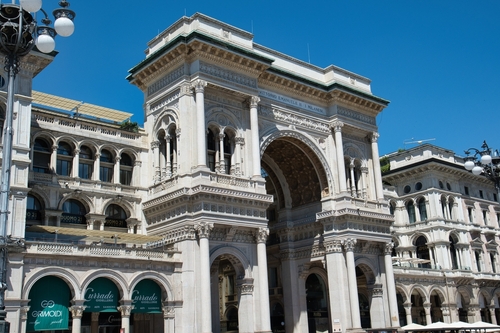
Milan in 2 Days
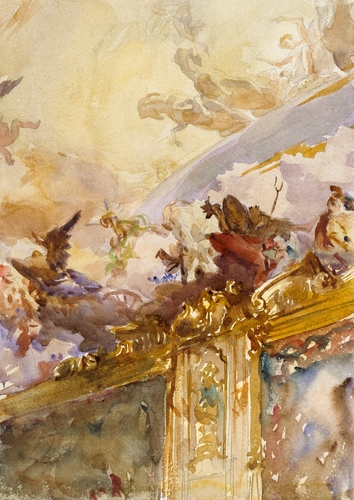
We recommend: Milan Essential Highlights

  • Explore the Duomo, climb to its rooftop terraces, and discover the Galleria Vittorio Emanuele II and La Scala on day one
  • Book The Last Supper for the morning of day two, then spend the afternoon in Brera's art galleries and cobbled streets
  • End both evenings with aperitivo in the Navigli canals district — the quintessential Milan experience

Art & Renaissance Milan

We recommend: Milan Art & Culture Itinerary

  • Begin with Leonardo da Vinci's Last Supper, then explore the Ambrosiana library and pinacoteca's collection of Old Masters
  • Visit Pinacoteca di Brera for Raphael, Caravaggio, and Mantegna in a neighbourhood perfectly suited for an afternoon walk
  • Finish at Castello Sforzesco to see works by Michelangelo and explore eight museums within its walls

Fashion, Food & Local Milan

We recommend: Milan Lifestyle Itinerary

  • Stroll the Quadrilatero della Moda, window-shop Via Montenapoleone, and browse Brera's independent boutiques
  • Discover the Navigli and Porta Ticinese districts for street food, vintage markets, and canal-side dining
  • Ideal for travellers who want to experience Milan beyond its famous museums and landmarks

Milan Lakes & Day Trips

We recommend: Best Day Trips from Milan

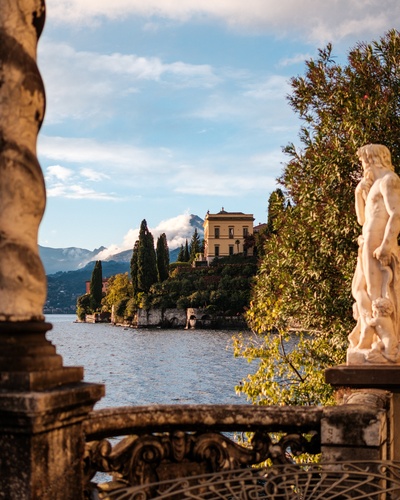
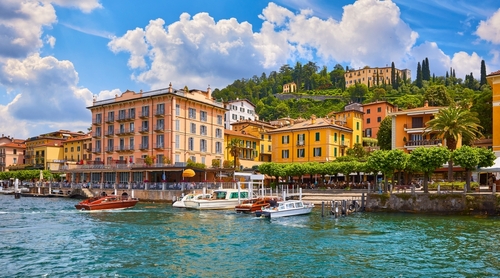
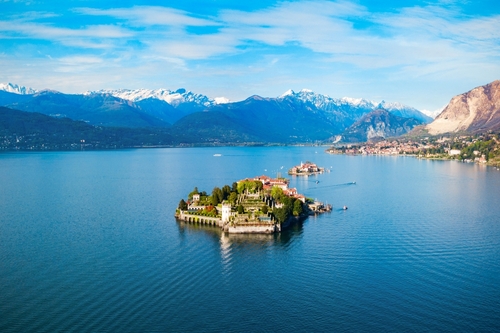
  • Take the train to Lake Como or Lake Maggiore for scenery, villas, and lakeside villages within 90 minutes of the city
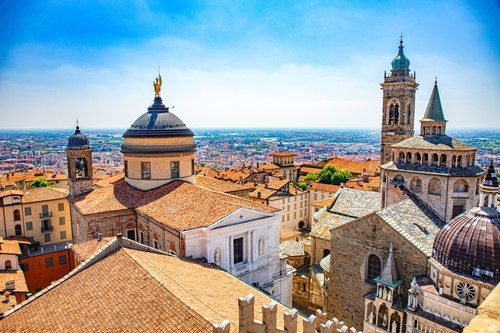
  • Visit Bergamo's walled Upper Town (45 minutes by train) or Verona's Roman Arena and Juliet's balcony (1 hour)
  • Perfect for extending a Milan visit with a taste of northern Italy's lakes, mountains, and historic towns

Modern Milan: Design, Architecture & New Neighbourhoods

We recommend: Milan Design & Architecture Itinerary

  • Visit Porta Nuova to see the Bosco Verticale and the Tre Torri towers — icons of 21st-century Italian architecture
  • Explore Isola's independent boutiques, creative studios, and neighbourhood restaurants where tourists are still outnumbered by locals
  • Great for design enthusiasts, architecture fans, and return visitors wanting to discover a different side of Milan

FAQs About Visiting Milan City

What are the best things to do in Milan?

The best things to do in Milan include visiting the Duomo di Milano and climbing to its rooftop terraces, booking ahead to see Leonardo da Vinci's Last Supper at Santa Maria delle Grazie, exploring the Castello Sforzesco, strolling through the Galleria Vittorio Emanuele II, and enjoying aperitivo along the Navigli canals. Milan also rewards exploration of the Brera art district and the Pinacoteca di Brera.

How many days do you need in Milan?

Most visitors find that 2 to 3 days in Milan is enough to cover the main highlights, including the Duomo, The Last Supper, Brera, and the Navigli. Those planning day trips to Lake Como, Bergamo, or Verona should allow at least 4 days. Milan also rewards longer stays for travellers interested in fashion, design, and the city's neighbourhood culture.

What is the best time to visit Milan?

The best time to visit Milan is spring (April to June) or autumn (September to November), when temperatures are mild and the city is at its most liveable. Autumn also coincides with Milan Fashion Week, while spring brings Milan Design Week — one of the world's largest design events. Summer can be hot and humid; winter is cool but festive, especially around the Christmas markets at Piazza del Duomo.

How do I get from Malpensa Airport to Milan city centre?

The Malpensa Express train is the fastest and most recommended option, connecting Malpensa Airport to Milano Centrale station in approximately 50 minutes for €13. Malpensa Bus Express coaches run a similar route for around €10 but can take slightly longer depending on traffic. Taxis operate on a fixed fare of €110 to central Milan. Linate Airport, which handles shorter European routes, is only 7 km from the centre and is easily reached by bus or taxi in under 30 minutes.

What is Milan most famous for?

Milan is globally famous as the world capital of fashion and design, home to the Quadrilatero della Moda — Italy's most prestigious luxury shopping district — and a twice-yearly Fashion Week that draws the entire industry. The city is also celebrated for the Duomo di Milano, Leonardo da Vinci's Last Supper, world-class art museums, the La Scala opera house, and Italy's aperitivo tradition, which originated in Milan.

Is Milan expensive for tourists?

Milan is one of Italy's more expensive cities, particularly for accommodation near the Duomo and dining in the fashion district. That said, many of Milan's best experiences — aperitivo bars where drinks come with food, neighbourhood markets, and free architectural sights — are affordable. Booking major attractions such as The Last Supper well in advance is both essential and helps budget planning.

What are the best day trips from Milan?

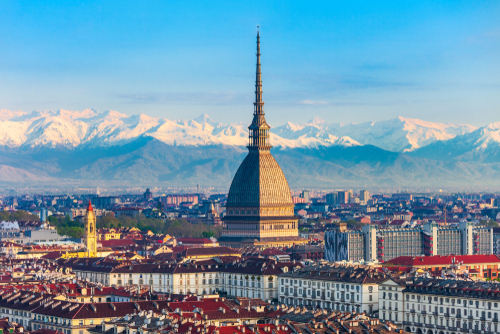
The most popular day trips from Milan include Lake Como (under 1.5 hours by train), Bergamo's medieval Upper Town (45 minutes), and Verona's Roman Arena and historic centre (1 hour). Turin is also an excellent day trip at 1 hour by high-speed train. Lake Maggiore and the Cinque Terre coastal villages are reachable for longer day excursions, taking approximately 1.5 and 3 hours respectively.