We are processing your request.
Please, don't close or refresh the page.

Discover Rome: Eternal City of Ancient Wonders and Timeless Things to Do

From the Colosseum and Vatican to Trastevere’s backstreets, explore the best things to do in Rome, Italy — iconic attractions, world-class food, and 2,500 years of history.

Tourism Tickets Italy Rome

How to Get to Rome

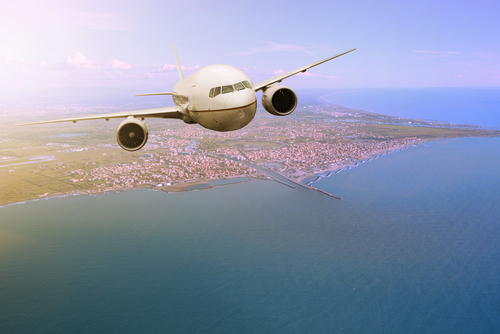
Rome is served by Leonardo da Vinci–Fiumicino Airport (FCO), Italy's largest airport, located around 32 km southwest of the centre, plus the smaller Ciampino Airport (CIA) used mainly by low-cost carriers. Getting from the airport to the city:

  • Leonardo Express Non-stop train from Fiumicino to Roma Termini (about 32 minutes)
  • Regional FL1 Train Connects Fiumicino to Trastevere, Ostiense, and Tiburtina stations
  • Airport Shuttle Bus Budget coaches from both airports to Termini (45–60 minutes)
  • Taxi Fixed fare to the city centre, roughly 45–55 minutes depending on traffic

Rome is the hub of Italy's rail network, with frequent high-speed Frecciarossa and Italo services linking the city to destinations nationwide. Main station: Roma Termini

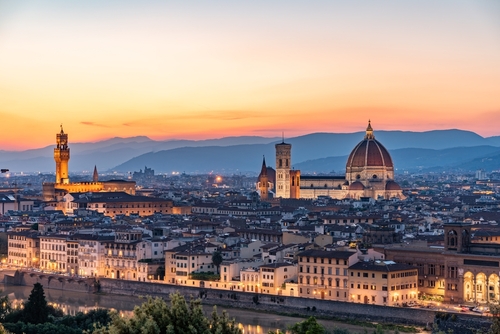
  • Florence to Rome (approximately 1.5 hours by high-speed train)
  • Naples to Rome (approximately 1 hour 10 minutes)
  • Venice to Rome (approximately 3.5–4 hours)
  • Milan to Rome (approximately 3 hours)

Long-distance coach services connect Rome with cities throughout Italy and across neighbouring European countries.

  • Main bus station Autostazione Roma Tibus (Tiburtina)
  • Operators such as FlixBus connect Rome with cities across Italy and Europe, often at the lowest fares.
Visit Rome

Rome sits at the centre of Italy's motorway network, with the A1 Autostrada and the GRA ring road making road travel straightforward from across the country.

  • Typical driving times Naples: 2.5 hours Florence: 3 hours Bologna: 4 hours Milan: 6 hours
  • Rome's historic centre is a restricted traffic zone (ZTL) where parking is limited and expensive.
  • Most visitors find it easier to park outside the centre and use public transport or walk.

FAQs About Visiting Rome

What is the best time to visit Rome?

The best time to visit Rome is during spring (April to June) and autumn (September to October), when the weather is warm and crowds are smaller than in peak summer. Summer is hot and busy, while winter brings fewer tourists, lower prices, and mild days ideal for sightseeing.

How many days do you need in Rome?

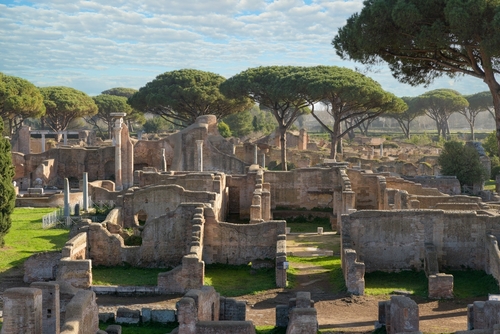
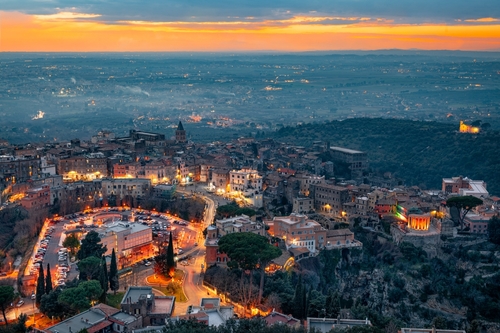
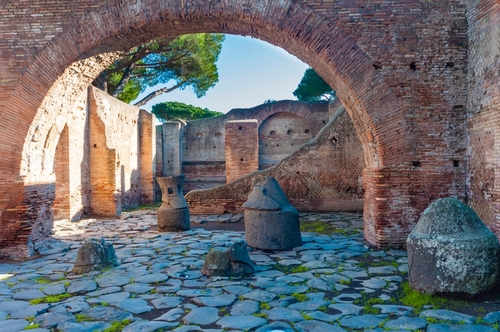
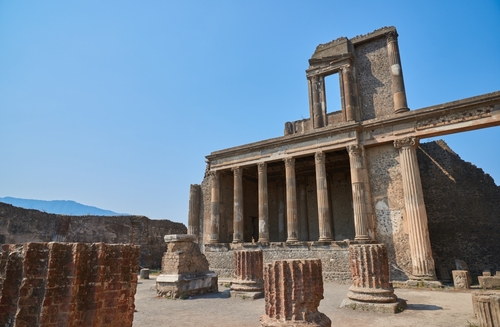
Most travellers find that 3 to 4 days in Rome is enough to see the major attractions such as the Colosseum, Roman Forum, Vatican Museums, Trevi Fountain, and Pantheon. Staying longer leaves time for day trips to Tivoli, Ostia Antica, or Pompeii.

What are the top attractions to visit in Rome?

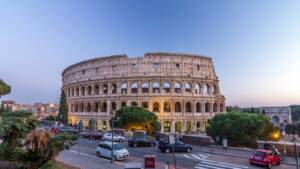
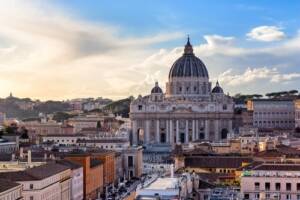
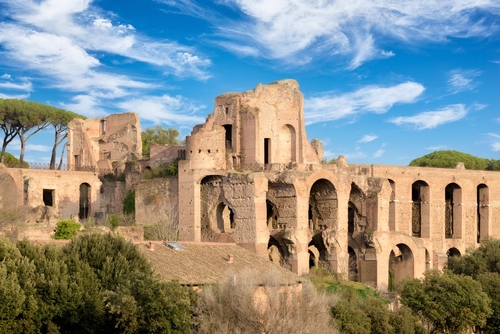
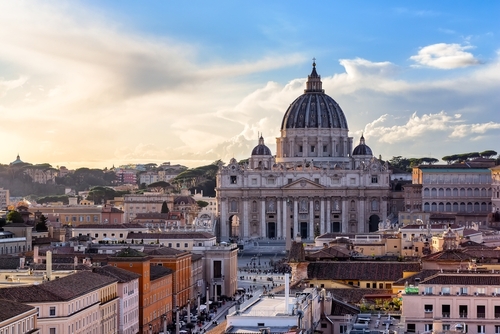
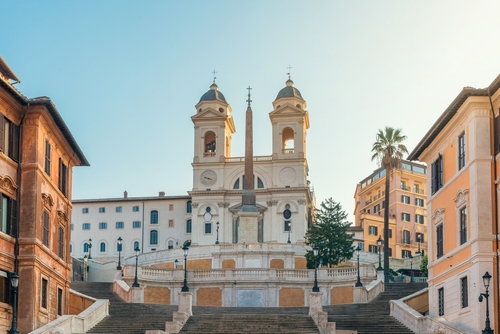
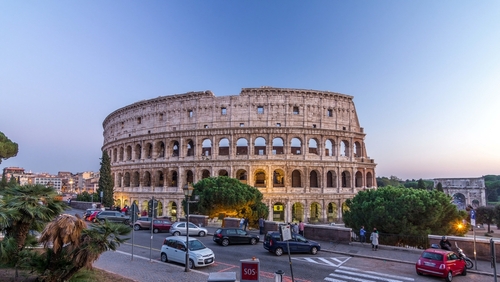
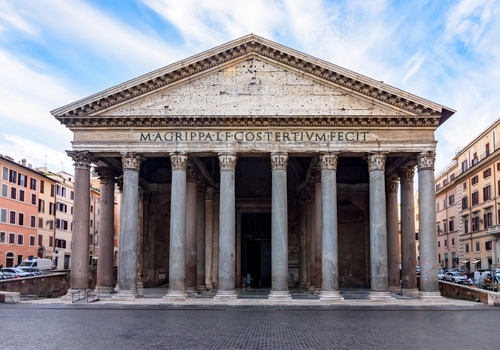
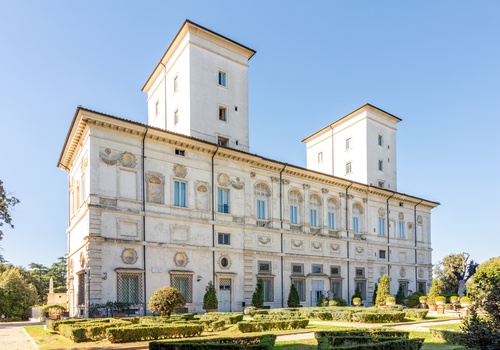
Rome's top attractions include the Colosseum, the Roman Forum and Palatine Hill, the Vatican Museums and Sistine Chapel, St. Peter's Basilica, the Pantheon, the Trevi Fountain, the Spanish Steps, and the Borghese Gallery. They showcase the city's ancient, artistic, and Baroque heritage.

What are the best things to do in Rome?

The best things to do in Rome include visiting the Colosseum and Roman Forum, exploring the Vatican Museums and St. Peter's Basilica, tossing a coin into the Trevi Fountain, admiring the Pantheon, and wandering the lively streets of Trastevere. Rome blends ancient history, world-class art, and incredible food.

What is the best way to get around Rome?

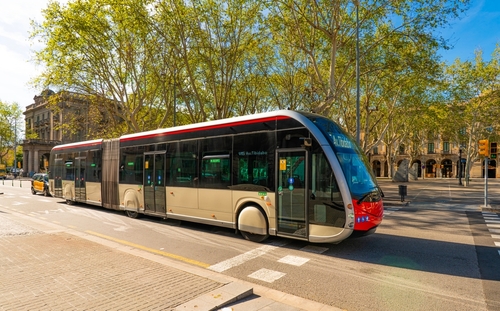
Rome's historic centre is compact and best explored on foot. For longer distances, the metro (Lines A, B and C), trams, and buses are efficient and affordable. The Roma Pass combines public transport with entry to major attractions, offering great value for visitors.

Do I need to book Rome attractions in advance?

Yes. Popular Rome attractions such as the Colosseum, Vatican Museums, and Borghese Gallery frequently sell out, especially in spring and summer. Booking timed-entry tickets in advance is strongly recommended to skip long queues and secure your preferred date and time.

What are the best day trips from Rome?

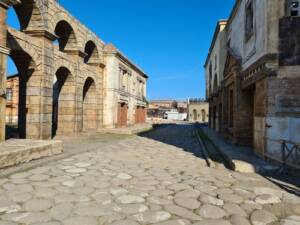
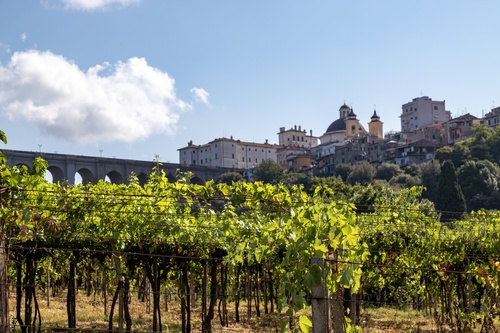
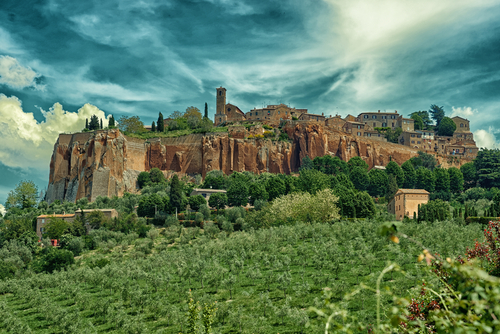
Some of the most popular day trips from Rome include Tivoli, Ostia Antica, the Castelli Romani, and Pompeii and Naples, with Florence and Orvieto reachable by high-speed train. They offer a mix of ancient ruins, gardens, hill towns, and coastal scenery.