We are processing your request.
Please, don't close or refresh the page.

Discover Italy – Ancient Wonders, La Dolce Vita and Timeless Beauty

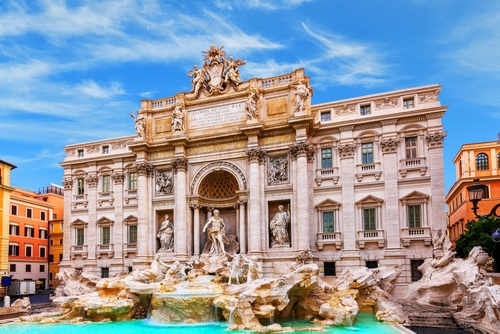
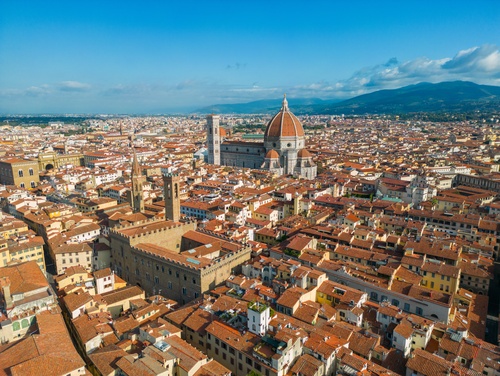
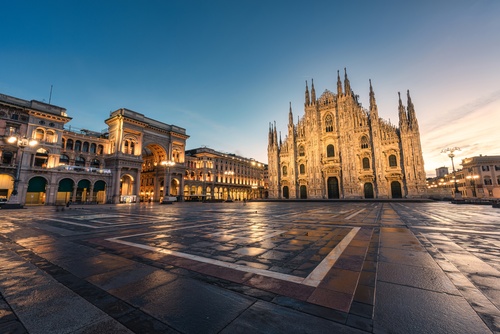
Italy enchants visitors with ancient ruins, Renaissance art, coastal splendour and a cuisine that has inspired the world.

Quick Facts

Currency in Italy

The Euro (EUR) is the official currency used across Italy. Cards are widely accepted in cities, hotels and larger restaurants, but carrying cash is essential for local trattorias, smaller towns, markets and public transport in some regions.

Language in Italy

Italian is the official language of Italy. English is widely spoken in tourist areas, major cities and hotels. A few words of Italian — buongiorno, grazie, per favore — will be warmly appreciated wherever you travel in the country.

Visa & Passport in Italy

Italy is part of the Schengen Area. Citizens of the US, UK, Canada, Australia and most other countries can visit for up to 90 days without a visa. The EU’s ETIAS electronic travel authorisation is expected to come into effect in late 2026. Your passport should be valid for at least six months beyond your travel dates.

Power Plug Type in Italy

Italy uses Type C, Type F and Type L power plugs with a standard voltage of 230V at 50Hz. Most modern devices are dual-voltage, so only a plug adapter — not a voltage converter — is required for international travellers.

Planning Your Italy Adventure: Travel Tips & Essentials

Getting Around
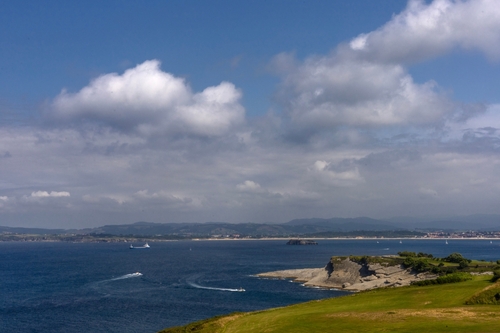
Italy's high-speed Frecciarossa trains connect Rome, Florence, Milan, Venice and Naples quickly and comfortably. Regional trains reach smaller towns and villages, while renting a car is the best option for exploring Tuscany, the Amalfi Coast and rural countryside.

Best Times to Visit

Spring (April to May) and early autumn (September to October) offer the best combination of warm weather and manageable crowds across most Italian regions. Summer is ideal for coastal and island travel, while winter brings quieter cities and significantly lower prices.

Budget Planning

Italy suits every budget, from luxury lake resorts and Michelin-starred restaurants to affordable agriturismos and street food culture. Booking trains and attraction tickets in advance and visiting outside peak summer months can reduce costs substantially.

Trip Ideas

Italy inspires endless itineraries — a classic art cities trail through Rome, Florence and Venice, an Amalfi Coast road trip, a Tuscan food and wine tour, a Sicilian island escape or a cultural deep-dive into ancient history and Renaissance masterpieces.

Things to Do in Italy

Ancient Ruins & Archaeological Sites
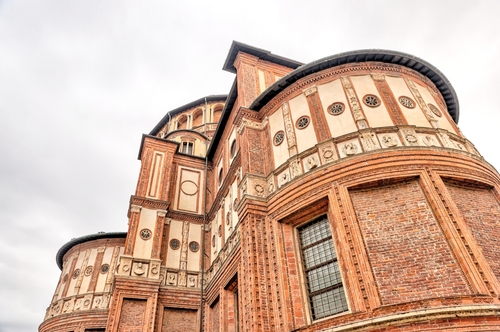
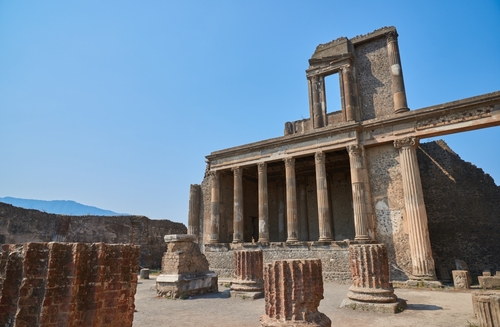
Walk through millennia of history at the Colosseum, Roman Forum, Pompeii and the Valley of the Temples in Sicily. Italy contains more UNESCO World Heritage Sites than any other country in the world, offering archaeology enthusiasts an unparalleled concentration of ancient wonders.

Art Museums & Renaissance Masterpieces
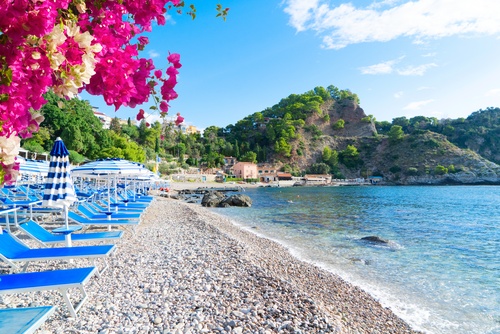
Stand before Michelangelo's David, Botticelli's Birth of Venus and Leonardo da Vinci's Last Supper. Italy's museums and galleries hold an extraordinary concentration of the world's most celebrated art, sculpture and architectural wonders in a single country.

Coastal Escapes & Island Getaways

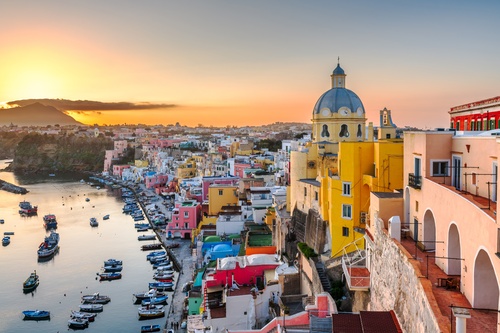
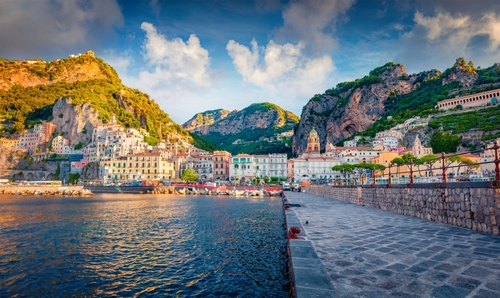
Explore the Amalfi Coast's cliff-top villages, relax on Sicily's volcanic beaches or island-hop between Capri, Sardinia and the Aeolian Islands. Italy's coastline offers Mediterranean beauty in its most dramatic and diverse form.

Food, Wine & Culinary Experiences

Savour authentic pizza in Naples, handmade pasta in Bologna, gelato in Florence and Barolo wine in Piedmont. Italy's regional cuisine is one of the world's great culinary traditions, best explored through local markets, cooking classes and cellar-door tastings.

Scenic Landscapes & Outdoor Adventures
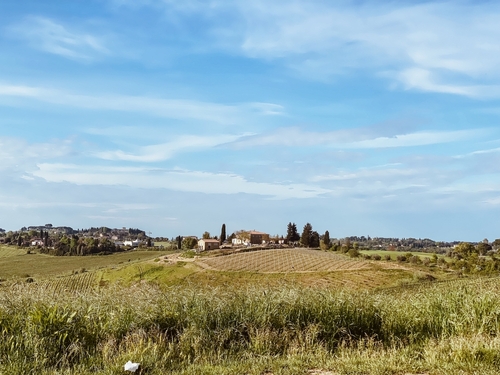
Cycle through Tuscany's vineyards, hike the clifftop trails of Cinque Terre, cruise the shores of Lake Como or explore the Dolomites for dramatic Alpine scenery. Italy's natural landscapes are as awe-inspiring as its cities.

Festivals, Opera & Cultural Events

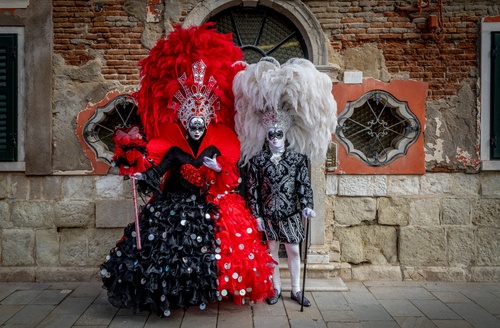
Attend a summer opera performance in Verona's Roman amphitheatre, experience Venice Carnival's spectacular costumes or join one of Italy's countless local food, wine and heritage festivals that fill the calendar throughout the year.

Frequently Asked Questions About Visiting Italy

What are the best places to visit in Italy for first-time travelers?

First-time visitors to Italy typically explore the classic art cities of Rome, Florence and Venice, which offer an unparalleled concentration of history, Renaissance art and iconic landmarks. Naples, the Amalfi Coast, Tuscany's countryside and the Italian Lakes are excellent additions for a longer stay.

What is the best time to visit Italy?

Spring (April to May) and early autumn (September to October) are the best times to visit Italy for comfortable temperatures and manageable crowds across most regions. Summer is ideal for coastal and island travel, while winter offers quieter cities and significantly lower prices, especially in January and February.

How many days do you need to visit Italy?

A 7 to 10-day trip is ideal for exploring the classic Rome–Florence–Venice route at a comfortable pace. Two weeks allows you to add Naples, the Amalfi Coast or Tuscany. Travellers wanting to explore Italy's regions in depth — including Sicily, the Italian Lakes or Emilia-Romagna — benefit from three weeks or more.

How do you get around Italy?

Italy's high-speed Frecciarossa trains are the most efficient way to travel between major cities such as Rome, Florence, Milan, Venice and Naples. Regional trains connect smaller towns and rural areas. For destinations like the Amalfi Coast, Tuscany and the Dolomites, renting a car provides the most flexibility. Booking train tickets in advance through Trenitalia or Italo saves both time and money.

Do I need a visa to visit Italy?

Citizens of the US, UK, Canada, Australia and most EU countries do not need a visa for stays under 90 days, as Italy is part of the Schengen Area. The EU's ETIAS electronic travel authorisation is expected to come into effect in late 2026, requiring advance registration for visa-exempt travellers. Your passport should remain valid for at least six months beyond your travel dates.

Which attractions in Italy should I book tickets for in advance?

Advance booking is strongly recommended for the Colosseum and Roman Forum, the Vatican Museums and Sistine Chapel, the Uffizi Gallery and the Accademia in Florence (for Michelangelo's David). These popular sites sell out weeks ahead during summer and school holidays, so pre-booking your time slots avoids long queues and disappointment.

Is Italy a good destination for family holidays?

Italy is an outstanding family destination. Children love exploring ancient ruins, gelato culture and coastal beaches, while adults enjoy the art, history and cuisine. Many major attractions offer family tickets, Italian culture is famously welcoming to children, and destinations such as the Amalfi Coast, Lake Garda and Sicily combine educational sightseeing with beautiful beaches and outdoor activities.