We are processing your request.
Please, don’t close or refresh the page.
Tourism Tickets Australia Melbourne
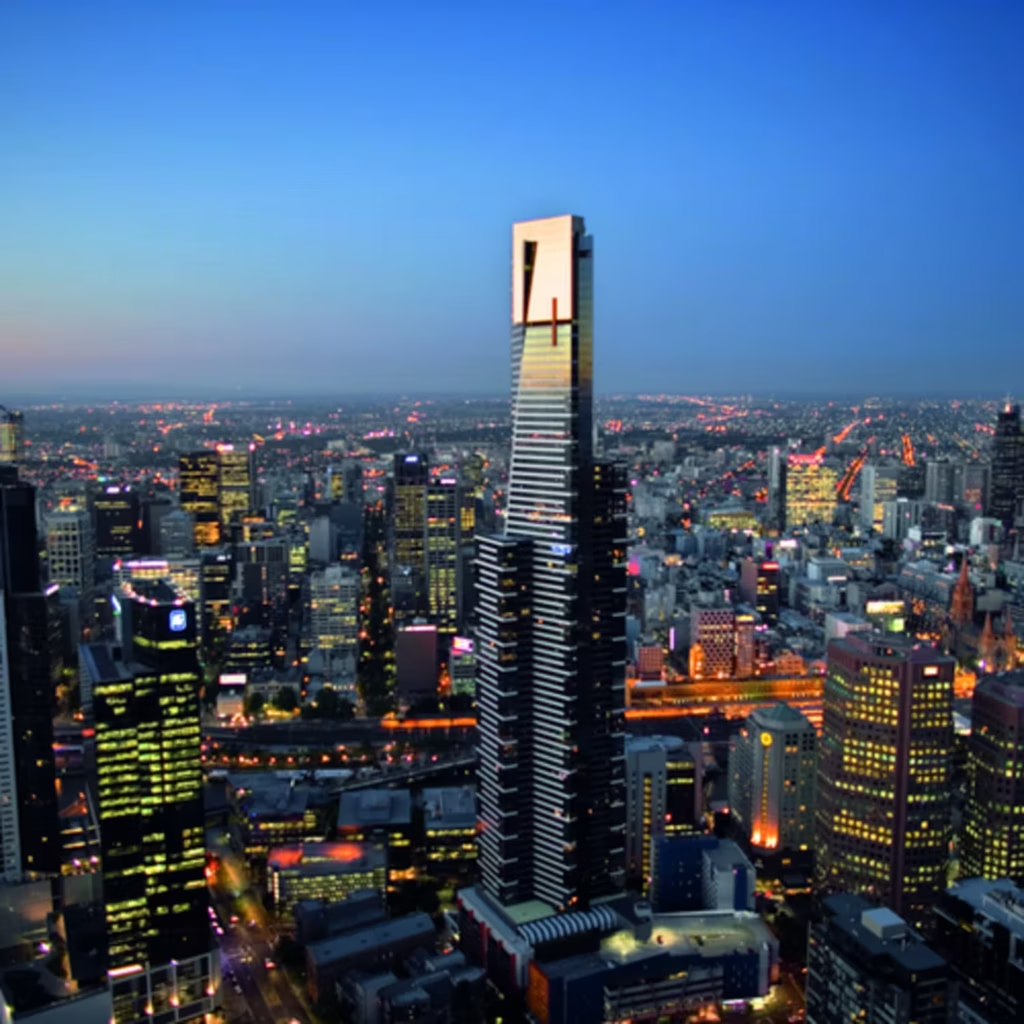
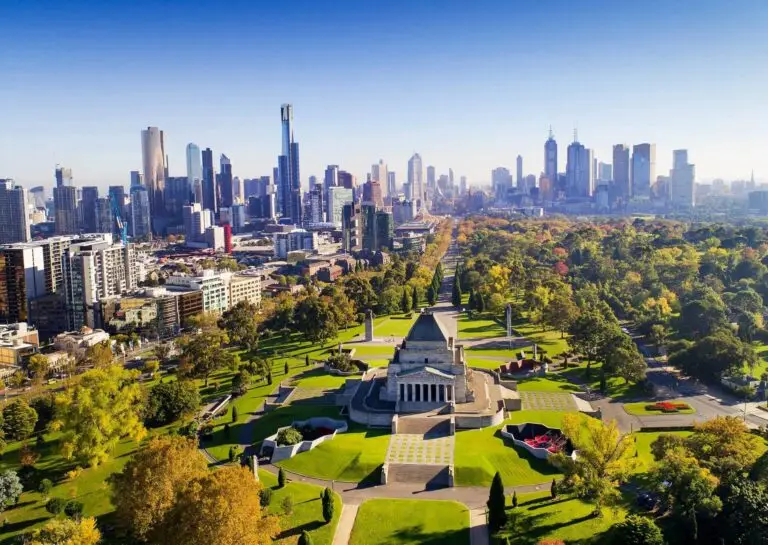
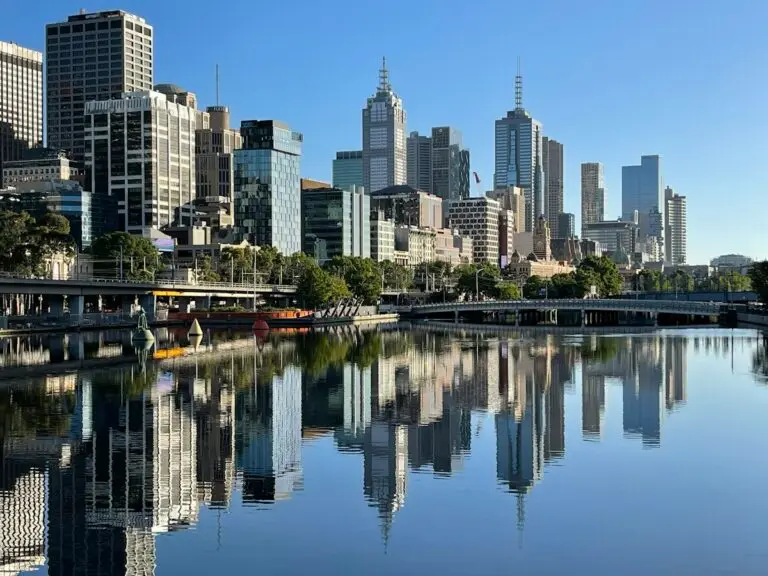
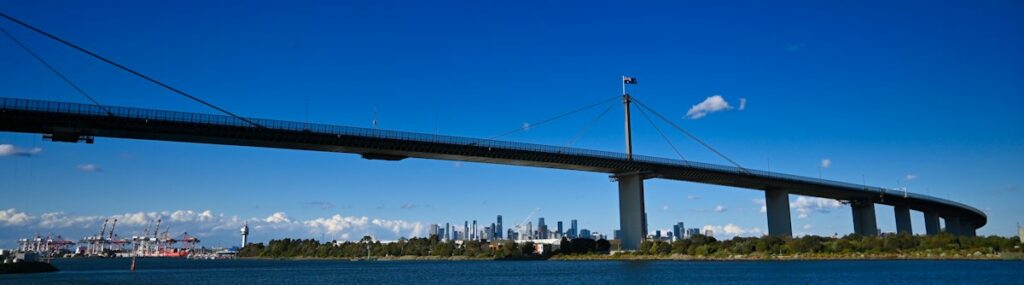
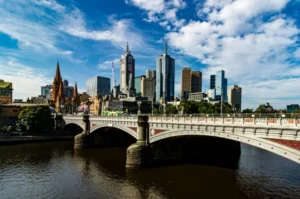
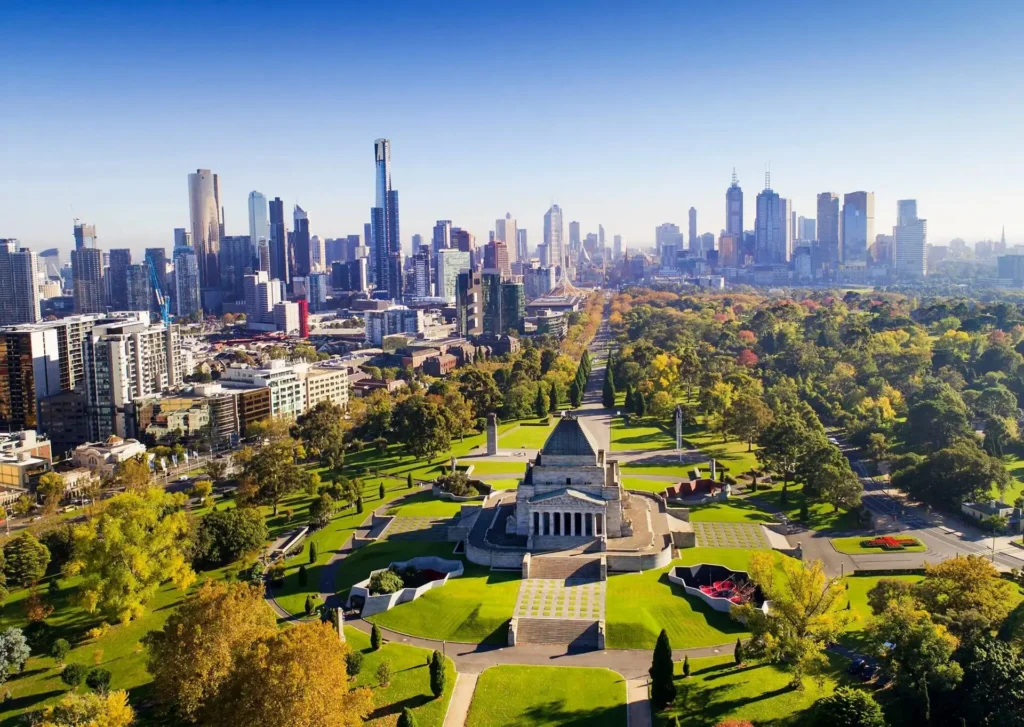
Melbourne skyline from the Shrine of Remembrance

Visit Melbourne: Laneways, Trams & Things to Do

Coffee laneways, free trams and bayside beaches: the best things to do in Melbourne sit within a walkable city grid.

How to Get to Melbourne City

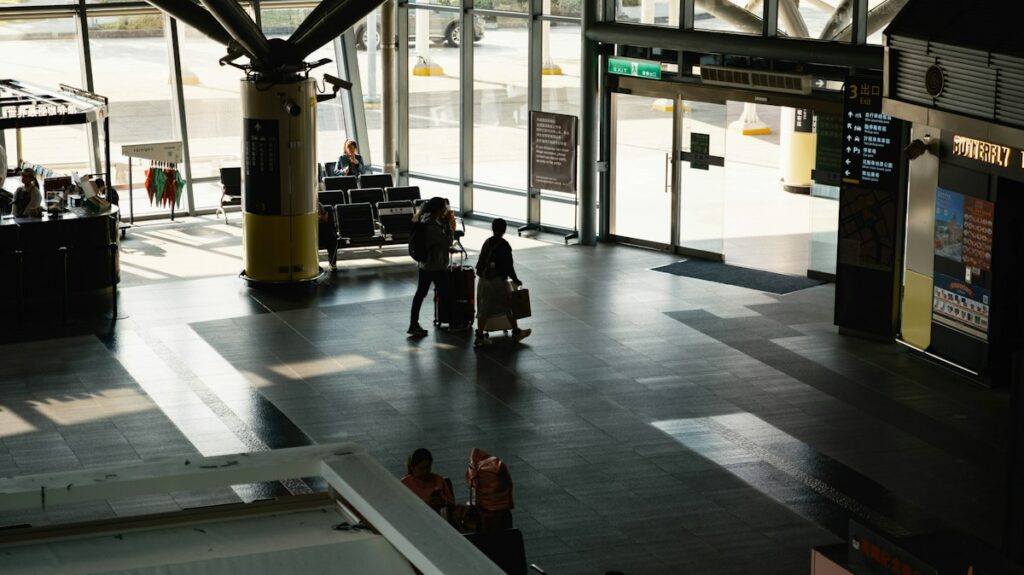
Travellers with luggage in an airport terminal

Melbourne Airport (MEL), Tullamarine

  • SkyBus City Express Non-stop coach to Southern Cross Station in around 30 minutes, running 4am to 1am daily, every 10 minutes at peak. It uses a dedicated bus lane on the Tullamarine Freeway, so it beats a taxi in rush hour. Free hotel shuttles included in the CBD.
  • Bus 901 & Train via Broadmeadows The cheapest way in on a myki card. The 901 SmartBus runs every 15 to 30 minutes to Broadmeadows Station, then a metro train covers the last 25 minutes to the city. Allow about 75 minutes in total, and skip it if you are carrying heavy bags.
  • Taxi & Rideshare Twenty to thirty minutes off peak for the 23 kilometres into town. Expect roughly A$55 to A$75 by taxi plus an airport rank fee, or a similar figure by Uber from the marked rideshare zones at each terminal.
  • Avalon Airport (AVV) Melbourne's second airport sits 55 kilometres southwest towards Geelong, about an hour by road, and handles mostly Jetstar domestic flights. SkyBus runs an Avalon City Express. Note that the Melbourne Airport Rail link to Tullamarine is still under construction and will not carry passengers this decade.

FAQs About Visiting Melbourne City

What is there to do in Melbourne?

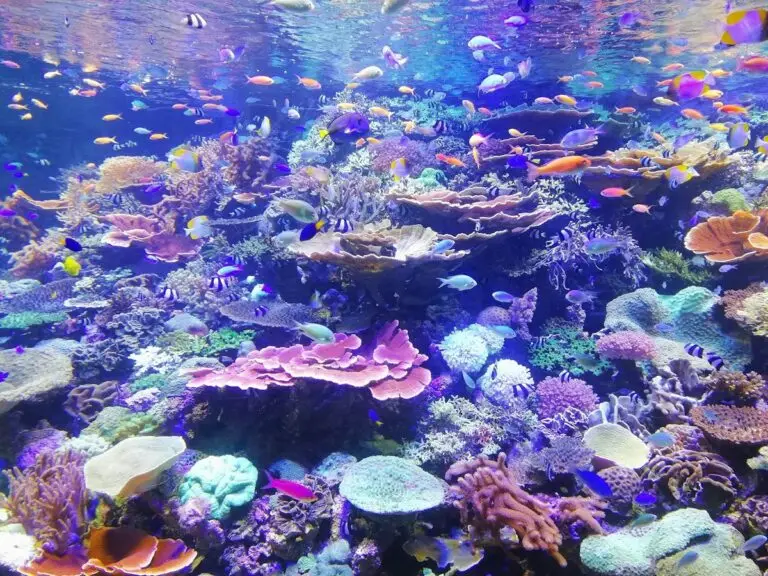
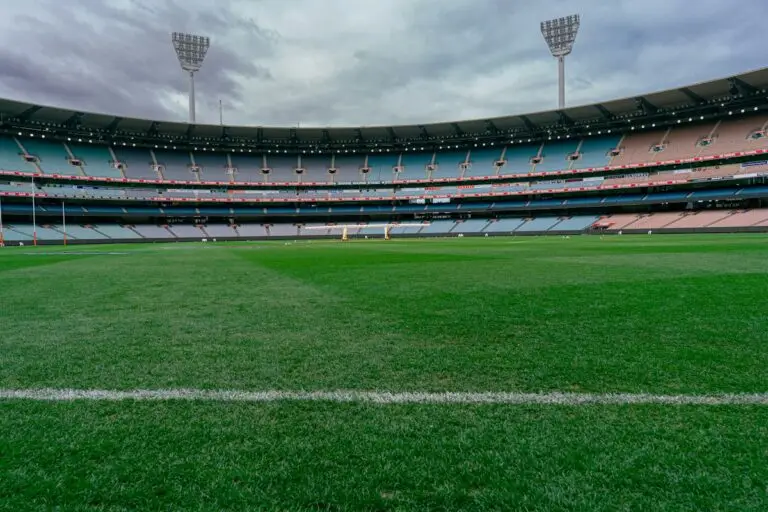
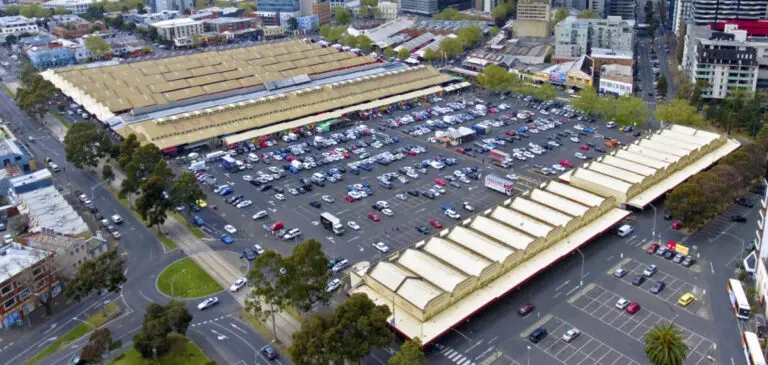
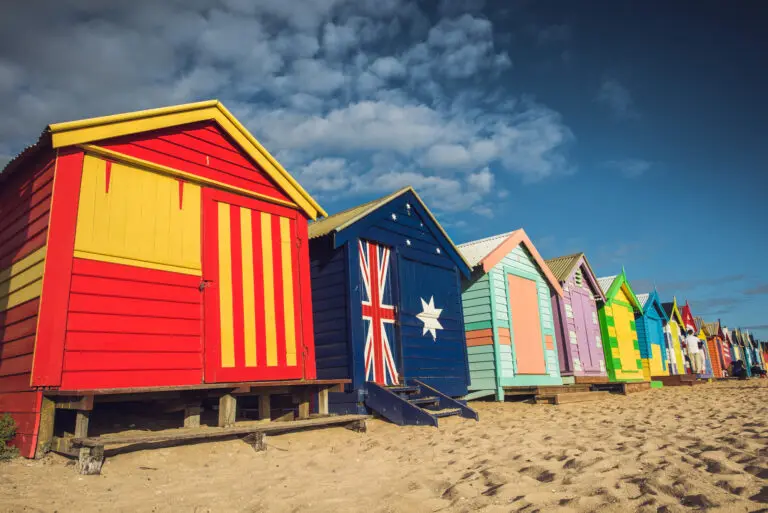
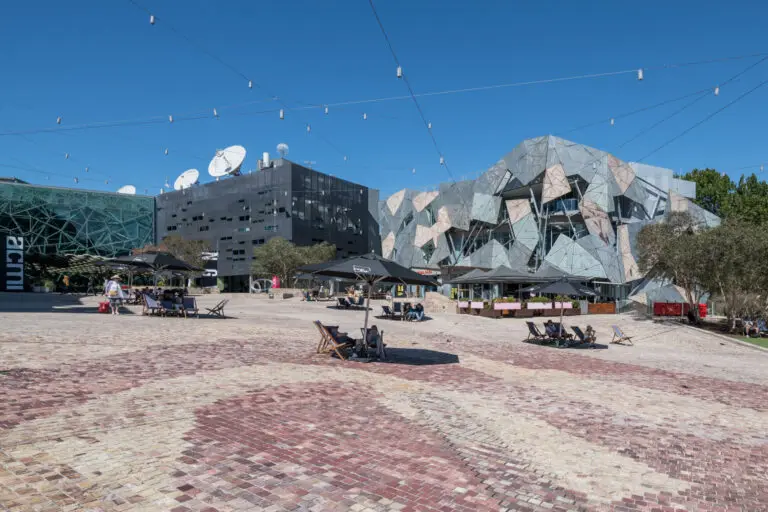
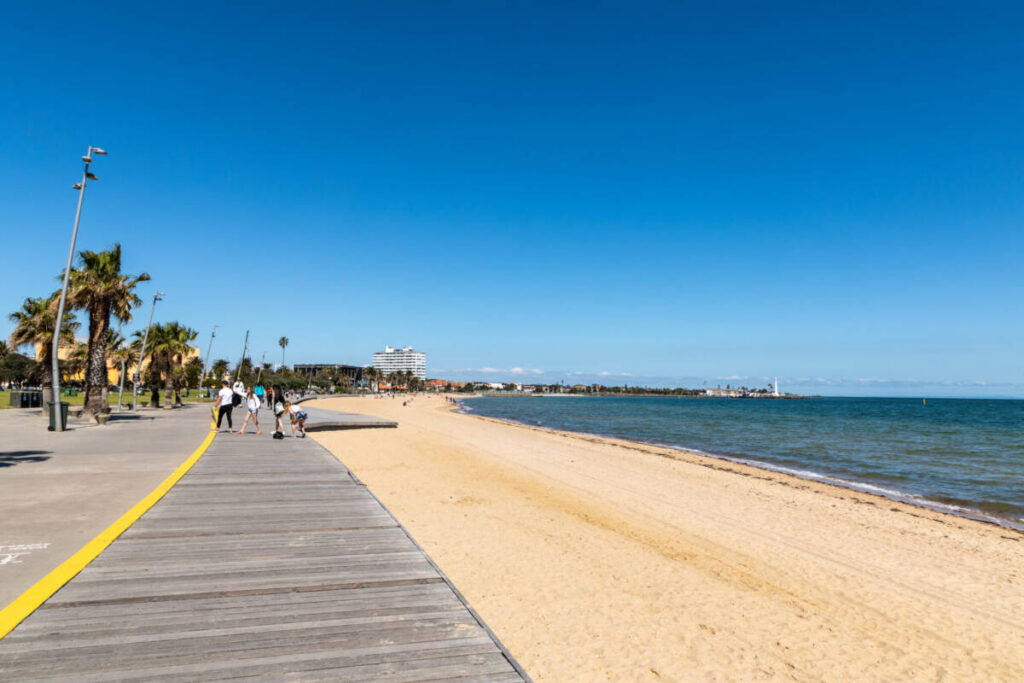
Melbourne rewards walking. Start with the CBD laneways and Victorian arcades, Federation Square and Queen Victoria Market, then add the views from Melbourne Skydeck, an MCG tour, SEA LIFE Melbourne Aquarium and the National Gallery of Victoria. Take a tram to St Kilda for the beach and Luna Park, and keep a day for the Great Ocean Road or the Yarra Valley.

What are the best things to do in Melbourne CBD?

The city grid holds most of the highlights. Walk Hosier Lane and AC/DC Lane for street art, Degraves Street and Centre Place for coffee, and the Block and Royal Arcades for 1890s shopping. Queen Victoria Market, Federation Square, the NGV, Chinatown and Melbourne Skydeck are all inside or beside the grid, and trams are free within it.

How many days do you need in Melbourne?

Three days covers the city itself: the laneways and arcades, the Southbank arts precinct, one big ticketed attraction and an afternoon in St Kilda. Add a fourth and fifth day if you want a Great Ocean Road trip, the Yarra Valley or Phillip Island, since each of those takes a full day.

What is the best time to visit Melbourne?

Autumn, from March to May, has the steadiest weather and the busiest festival run, including Moomba, the Grand Prix, the Food and Wine Festival and the Comedy Festival. Summer from December to February suits the beaches, the Australian Open and the Boxing Day Test. Melbourne is known for four seasons in one day, so bring layers whatever month you arrive.

Is Melbourne easy to get around without a car?

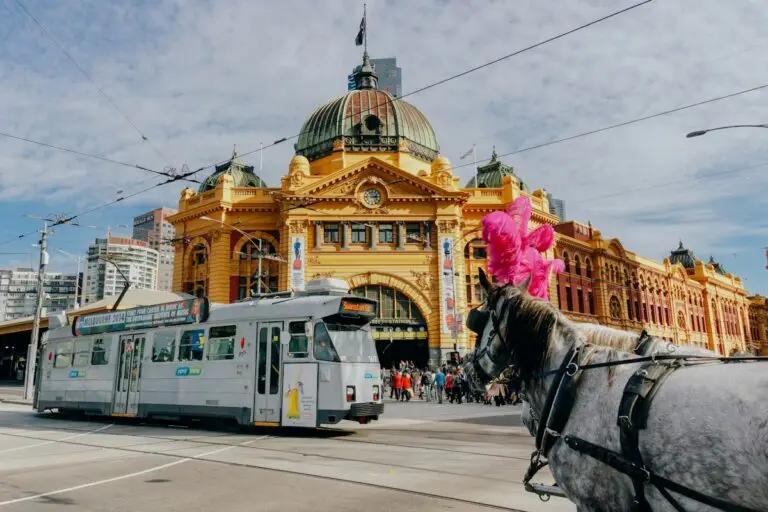
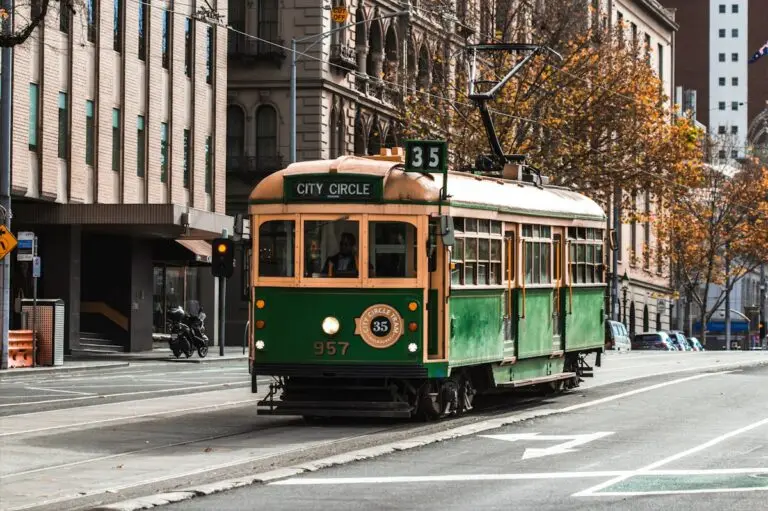
Yes, and a car is a liability in the centre. Melbourne runs the largest tram network in the world, and trams are free inside the Free Tram Zone covering the CBD grid and all of Docklands. Beyond that you need a myki card, which also covers trains and buses. The city grid is flat and crosses on foot in about 25 minutes, so most visitors only rent a car for day trips.

What are the best day trips from Melbourne?

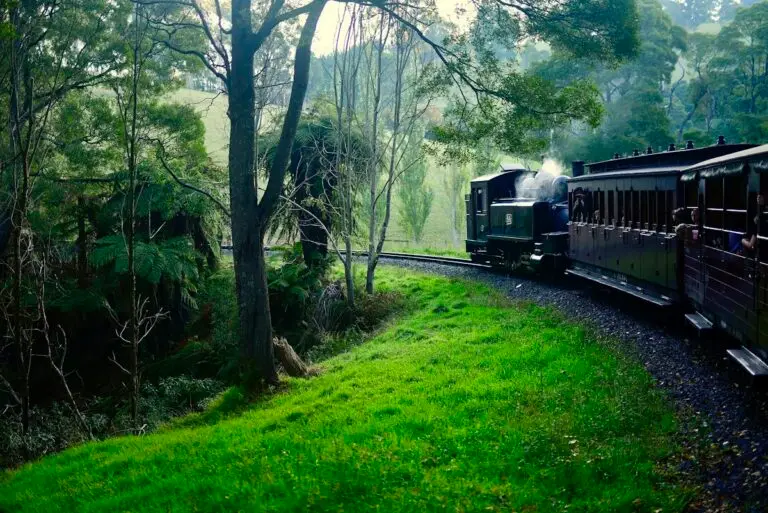
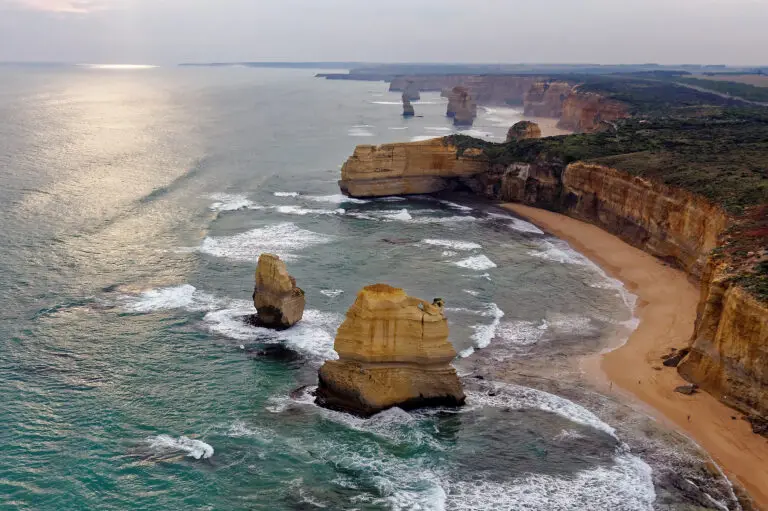
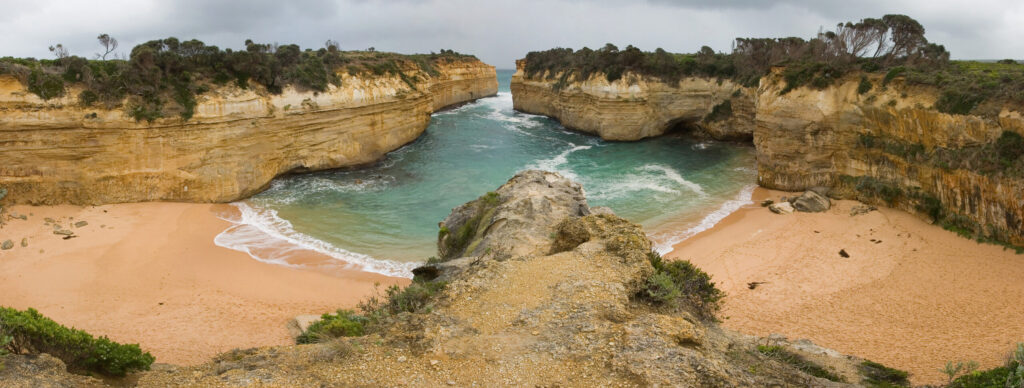
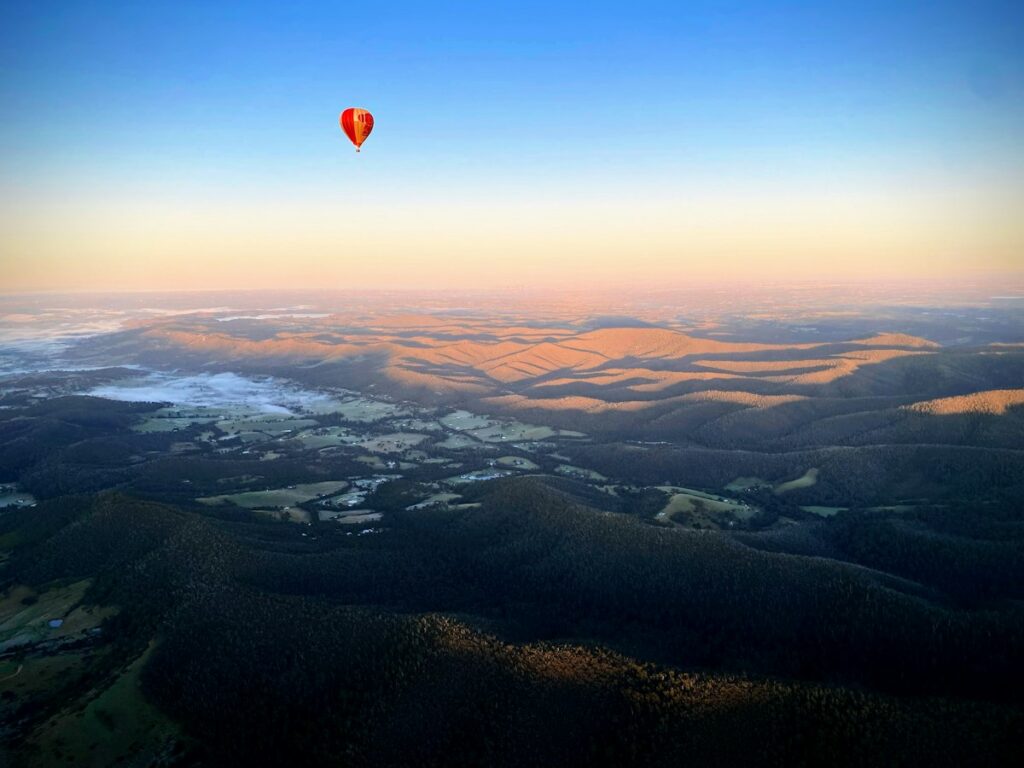
The Great Ocean Road and the Twelve Apostles are the headline drive, about four hours each way. The Yarra Valley is an hour northeast for cellar doors and Healesville Sanctuary. Phillip Island is just under two hours southeast for the evening Penguin Parade, the Mornington Peninsula an hour south for hot springs and vineyards, and the Dandenong Ranges an hour east for the Puffing Billy steam railway, which you can reach entirely by train.

Which Melbourne neighbourhoods are best to stay in?

Melbourne CBD suits first-time visitors, with the laneways and free trams on the doorstep. Southbank and Docklands put you next to the arts precinct, the casino and the waterfront restaurants. St Kilda is the choice for the beach and a more relaxed pace, and Fitzroy or Collingwood for bars, live music and independent shops a short tram ride from the centre.