We are processing your request.
Please, don’t close or refresh the page.
Tourism Tickets Australia Brisbane

Visit Brisbane: Top Things to Do in Australia's River City

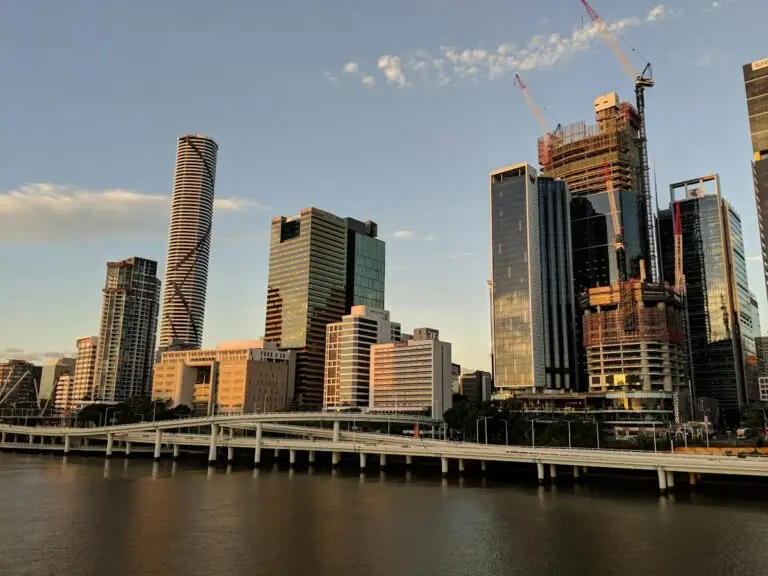
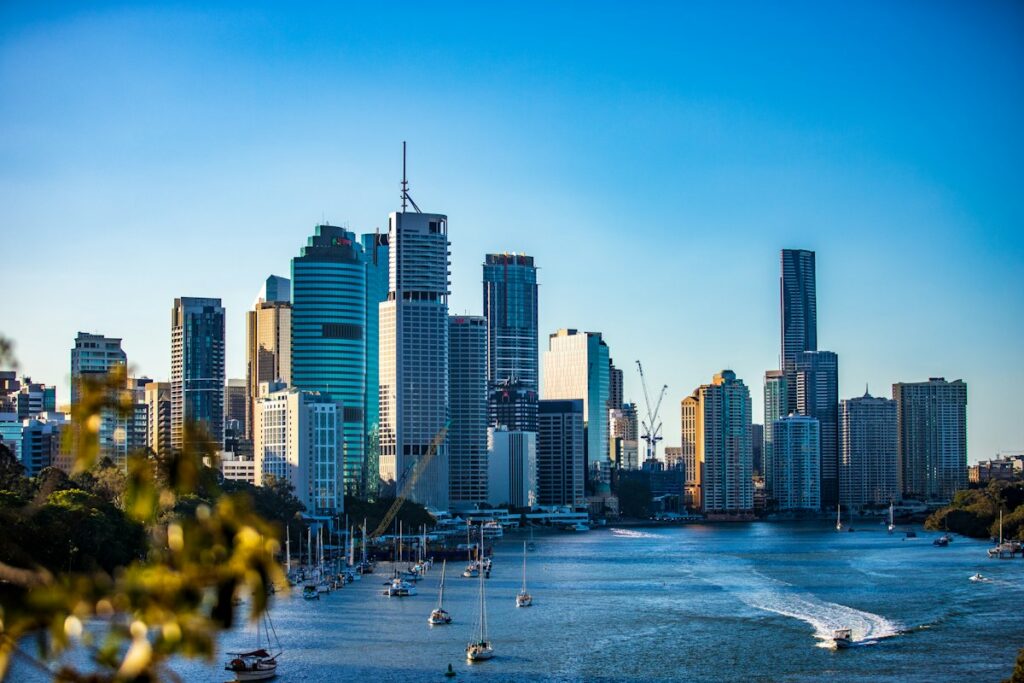
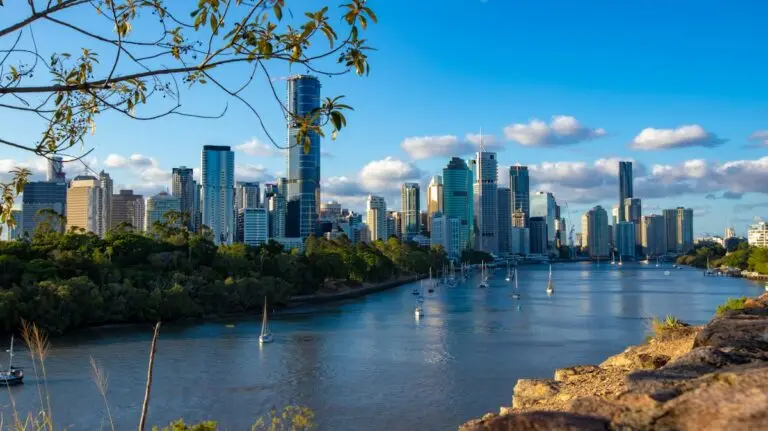
Brisbane puts riverside parkland, a swimmable city beach and koala encounters within half an hour of each other. Most attractions in Brisbane sit along one bend of the river.

How to Get to Brisbane City

Airport serving Brisbane

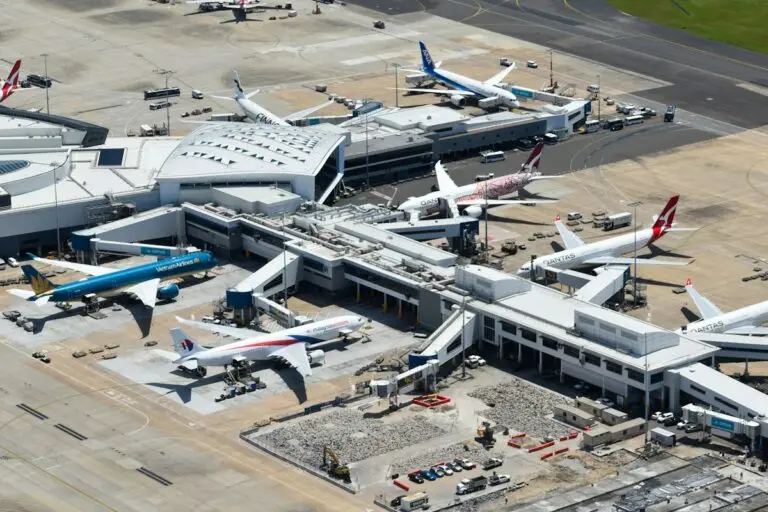
Brisbane Airport (BNE), 13 km from the CBD

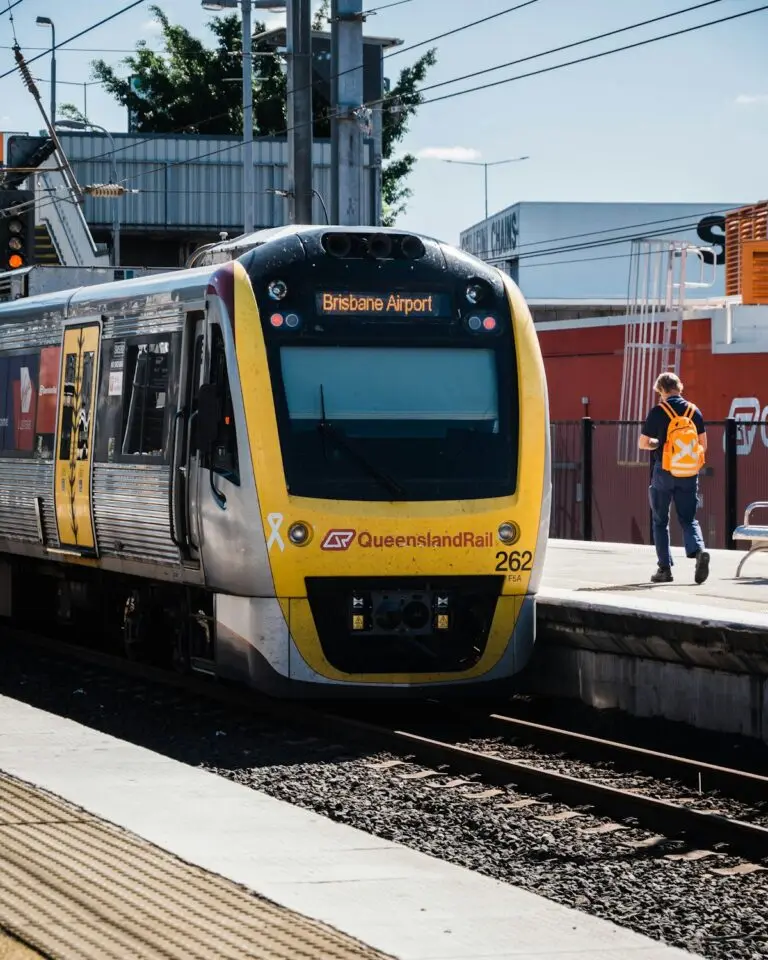
  • Airtrain Runs from both terminals to Eagle Junction, Bowen Hills, Fortitude Valley, Central, Roma Street and South Bank. About 20 minutes to the city, every 15 minutes at peak, from roughly 4.30am to 10pm. Airtrain is the one Translink service not covered by the 50 cent flat fare.
  • Terminal Transfers Airtrain also links the domestic and international terminals, a two-minute hop that saves waiting for a shuttle.
  • Airport Shuttles Door-to-door coach operators serve CBD hotels and run direct to the Gold Coast and Sunshine Coast, useful if Brisbane is not your final stop.
  • Taxi & Rideshare Ranks sit outside both terminals and Uber and Didi pick up from the designated bays. Allow 20 to 30 minutes to the CBD; fares include the Gateway Motorway toll.

FAQs About Visiting Brisbane City

What are the best things to do in Brisbane for first-time visitors?

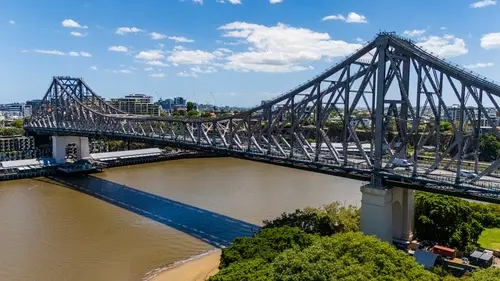
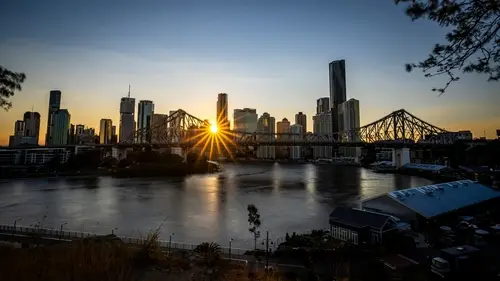
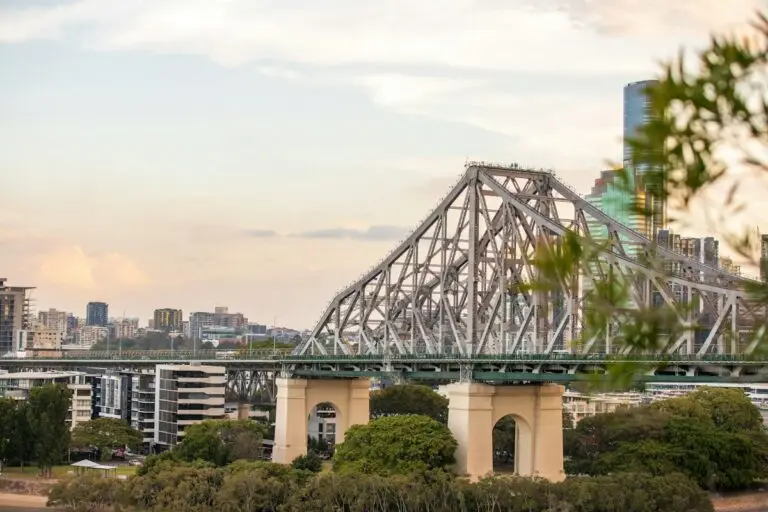
Start at South Bank Parklands for Streets Beach, the Wheel of Brisbane and the museum and gallery precinct. Add Lone Pine Koala Sanctuary, a Brisbane River cruise, the Story Bridge Adventure Climb and the lookout at Mount Coot-tha. Most first-time visitors also walk the Kangaroo Point cliffs and eat at least once on Fish Lane or at Howard Smith Wharves.

Does Brisbane have beaches?

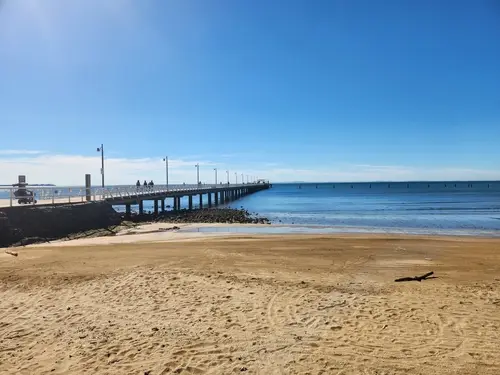
Brisbane has river and bay beaches rather than surf. Streets Beach at South Bank is a free man-made lagoon with real sand and lifeguards, open all year. Wynnum and Shorncliffe on Moreton Bay have swimming enclosures, piers and foreshore paths and are both reachable by train. For surf, the Gold Coast is about an hour away and the Sunshine Coast around 90 minutes.

How many days do you need to visit Brisbane?

Three days covers the city itself: the CBD and Story Bridge, South Bank and its galleries, Lone Pine Koala Sanctuary and one night out in Fortitude Valley or at Howard Smith Wharves. Allow four or five days if you want to add a bay island, the Gold Coast or the Sunshine Coast.

What is the best time to visit Brisbane?

March to May and September to November have the most comfortable weather, with daytime temperatures around 21C to 26C, low humidity and little rain. Winter from June to August stays dry and mild and suits walking and day trips. January and February are hot, humid and the wettest months, with afternoon thunderstorms common.

Is Brisbane easy to get around without a car?

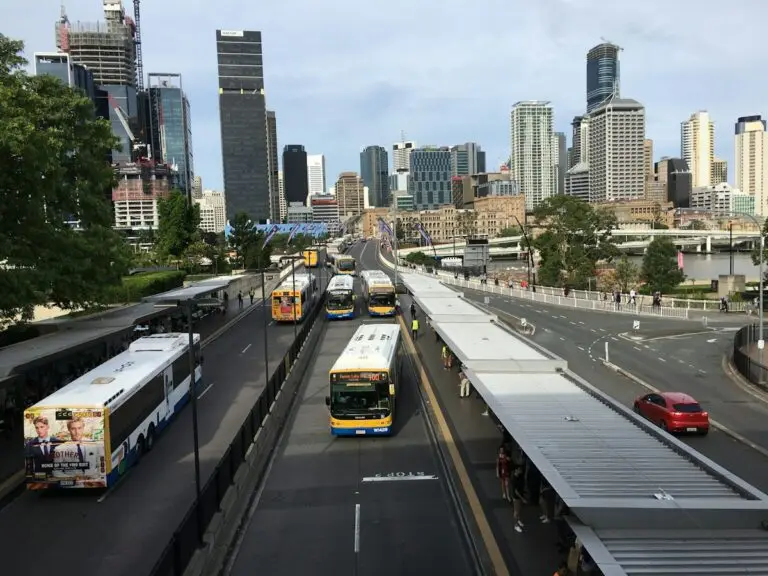
Yes. A flat 50 cent fare covers every Translink bus, train and ferry, paid with a go card or a contactless bank card, and the network is cashless. The CBD, South Bank and Fortitude Valley are walkable and linked by footbridges and busways, and the free CityHopper ferry loops the inner river every 30 minutes. The only exception to the 50 cent fare is the Airtrain to the airport.

What are the best day trips from Brisbane?

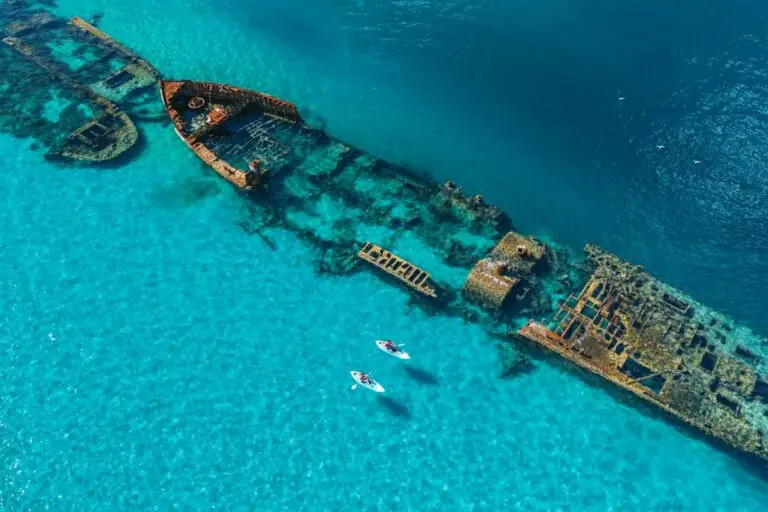
The Gold Coast is the most popular, about an hour by car or 1 hour 45 minutes by train to Varsity Lakes. Other options are the Sunshine Coast and Noosa at around 90 minutes, North Stradbroke Island by ferry from Cleveland, Moreton Island for sand dunes and the Tangalooma Wrecks, Tamborine Mountain for rainforest and waterfalls, and Byron Bay just over two hours south.

Which Brisbane neighbourhoods are best for restaurants and nightlife?

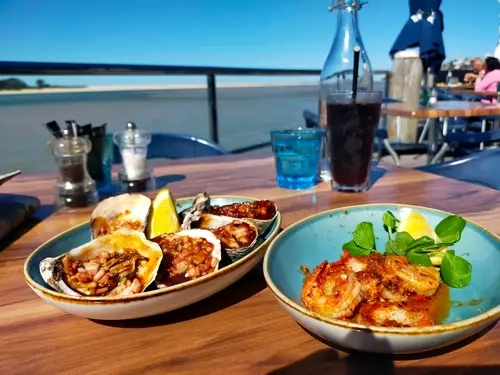
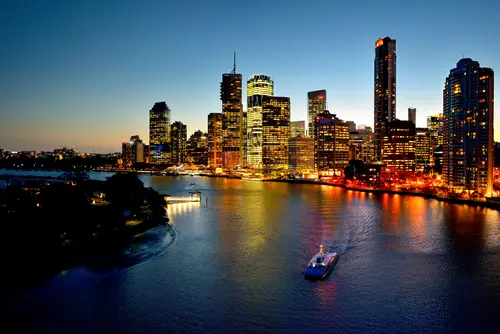
Fortitude Valley holds most of Brisbane's nightlife, with bars and clubs around Brunswick Street Mall and the city's best-known dining rooms on James Street. South Brisbane's Fish Lane packs small bars and kitchens into one laneway near South Bank, Howard Smith Wharves sits on the river under the Story Bridge, and West End covers Greek, Vietnamese and weekend market food.