Best Places to Visit in Australia: Reef, Outback & Cities
Australia holds a coral reef the size of Italy, a desert monolith older than most mountain ranges and beaches you can have to yourself. The best places to visit in Australia sit thousands of kilometres apart, so timing and routing matter more here than almost anywhere else.
Vibe
Coastal and casual in the cities, empty and enormous in between. Australians treat the outdoors as a default setting, whether that means a morning surf, a Sunday barbecue or a four-day drive with no phone signal.
Highlights
The Great Barrier Reef off Cairns and Port Douglas, Uluru in the Red Centre, the Whitsunday Islands and Whitehaven Beach, the Blue Mountains west of Sydney, and Rottnest Island off Perth.
Sweet Spot
The best time to visit Australia depends on which half you want. May to October is dry season in the tropical north and the clearest window for the reef. September and March work almost everywhere at once.
The Wallet
Budget travellers get by on roughly AUD 80 to 120 a day, mid-range trips run closer to AUD 170 to 200 per person. Internal flights and accommodation take the biggest bite, so booking those early changes the total more than anything else.
Quick Facts
Currency in Australia
Australia uses the Australian dollar (AUD), written as $ and split into 100 cents. Cards and contactless payments work almost everywhere, including buses, cafés and market stalls, and some venues no longer take cash at all. Card surcharges of 1 to 2 percent are common and legal. Tipping is not expected.
Language in Australia
English is the language of daily life and government in Australia, though the country has no constitutionally declared official language. Around 150 Aboriginal and Torres Strait Islander languages are still spoken, and Mandarin, Arabic, Vietnamese and Cantonese are common at home in the big cities. Australian slang is heavy on shortenings: brekkie, arvo, servo, sunnies.
Visa & Passport in Australia
Almost every visitor needs a visa before boarding. Passport holders from 34 countries and territories, including the United States, Canada, Japan, Singapore, Malaysia and Hong Kong SAR, can apply for the Australia ETA (subclass 601) for an AUD 20 service fee through the official AustralianETA app only. It allows multiple stays of up to three months across 12 months. Most UK and EU passport holders use the free eVisitor visa instead.
Power Plug Type in Australia
Australia uses the Type I plug, with two flat pins set in a V and a third for earth. Voltage is 230V at 50Hz, often measured closer to 240V. Most sockets have their own on-off switch, which catches out first-time visitors. Phones and laptops only need an adapter; hair dryers and styling tools from 110V countries need a converter.
Best Vacation Spots in Australia
Great Barrier Reef & Cairns
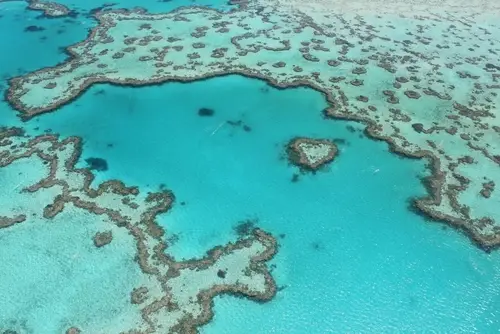
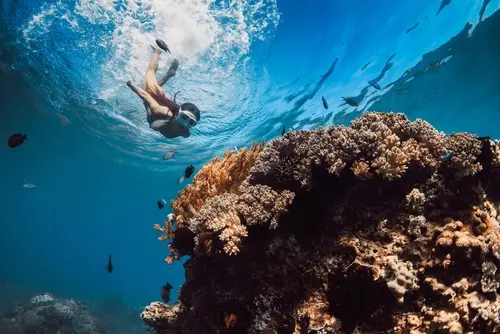
Cairns and Port Douglas are the launch points for the Great Barrier Reef, a 2,300-kilometre coral system visible from space. Day boats reach the outer reef in 90 minutes for snorkelling and diving, and the Daintree rainforest sits an hour up the coast.
Uluru & the Red Centre
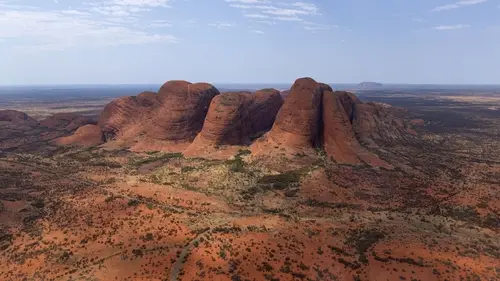
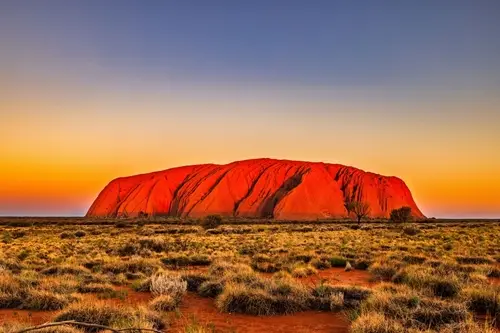
Uluru, long known to visitors as Ayers Rock, rises 348 metres out of flat desert in the Northern Territory. Climbing it has been banned since 2019, so the experience is base walks, sunrise viewing platforms and the Field of Light installation nearby.
Whitsunday Islands
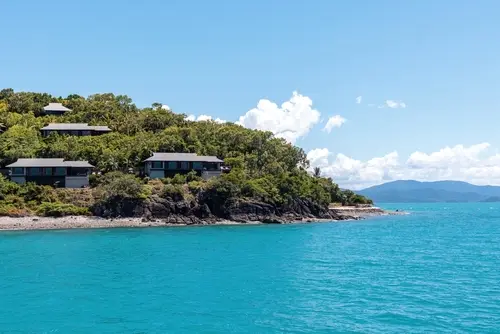
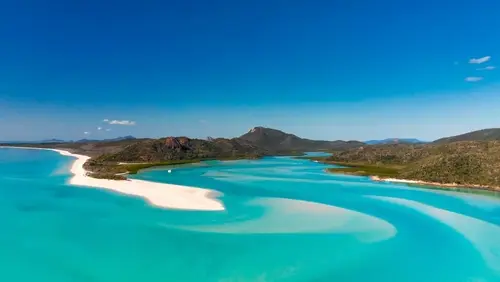
Seventy-four islands scattered inside the reef off the Queensland coast, reached from Airlie Beach or Hamilton Island. Whitehaven Beach runs seven kilometres on silica sand so fine it squeaks, and most of the archipelago is national park.
Sydney
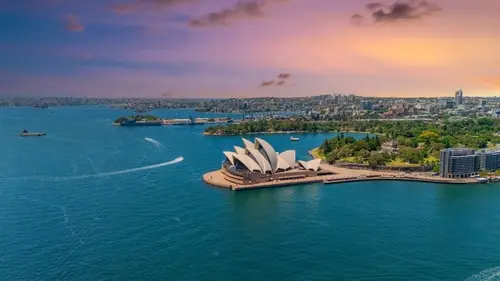
The Opera House and Harbour Bridge do the advertising, but Sydney earns its reputation on ferries, ocean pools and more than 100 beaches inside the city limits. The Blue Mountains are a 90-minute train ride west.
Melbourne
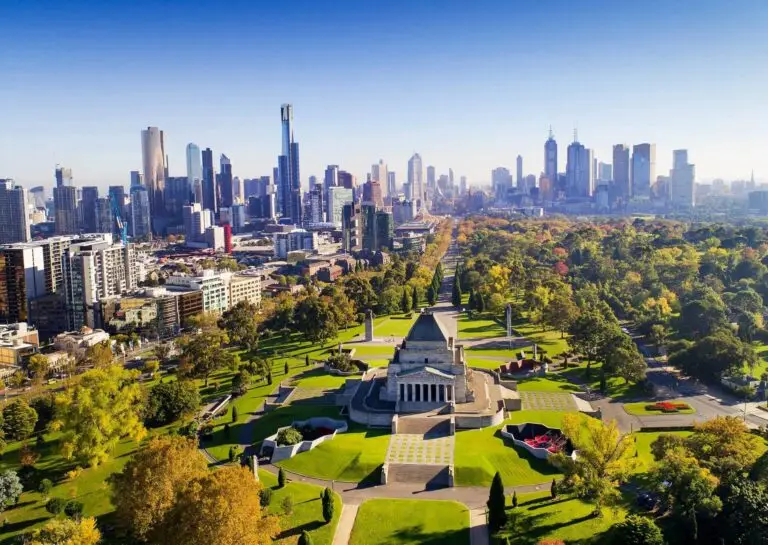
Laneway cafés and street art, free trams across the CBD, bayside beaches at St Kilda and Brighton, and the Great Ocean Road on the doorstep.
Brisbane
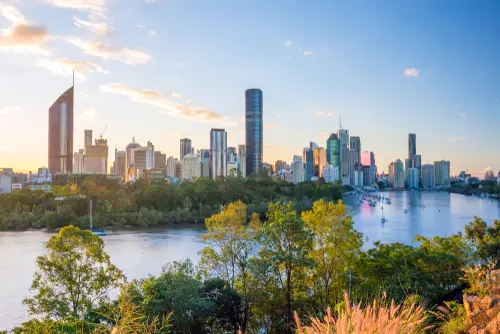
A subtropical river city with South Bank parklands, Story Bridge views and the Gold Coast, Noosa and the islands of Moreton Bay within reach.
Gold Coast
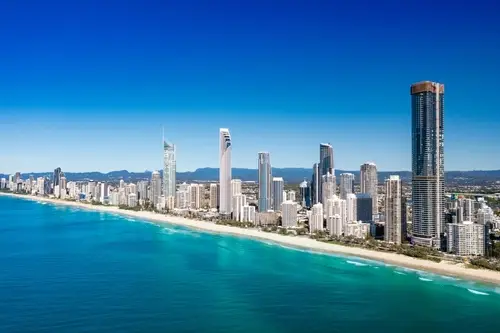
Surfers Paradise anchors 57 kilometres of Queensland surf beach, backed by the largest cluster of theme parks in the country including Dreamworld, Warner Bros. Movie World and Sea World. Rainforest walks in the Gold Coast hinterland are half an hour inland.
Sunshine Coast
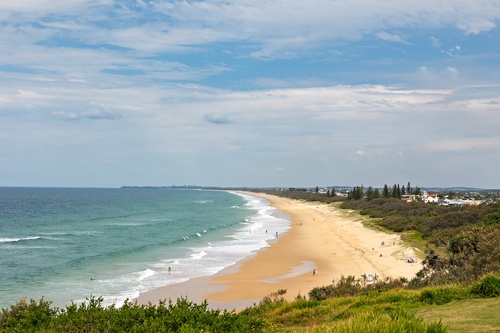
An hour north of Brisbane, the Sunshine Coast trades high-rises for Noosa National Park, the Glass House Mountains and long stretches of beach at Coolum and Mooloolaba. Rainbow Beach and the coloured sand cliffs sit further up the same coastline.
Planning Your Australia Adventure: Travel Tips & Essentials

Getting Around
Australia is roughly the size of Europe, so domestic flights carry most long-distance travel. Qantas, Virgin Australia and Jetstar connect the capitals, with Sydney to Perth taking about five hours. Trains work as experiences rather than transport: The Ghan crosses Adelaide to Darwin, the Indian Pacific runs Sydney to Perth. For coastal routes like the Great Ocean Road or the Pacific Coast, a rental car is the only sensible option.
Best Times to Visit
Seasons here run opposite to the northern hemisphere, and the country splits in two. In the tropical north, including Cairns, Darwin and the Great Barrier Reef, May to October is dry season with clear water and no marine stingers. In the south, Sydney, Melbourne and Adelaide are at their best in spring (September to November) and autumn (March to May). September and March are the two months that work almost everywhere at once.
Budget Planning
Expect roughly AUD 80 to 120 a day travelling on hostel dorms and public transport, and AUD 170 to 200 per person for mid-range hotels and restaurants. Hostel beds start around AUD 20 a night, mid-range rooms run AUD 100 to 200. Internal flights are the line item that catches people out, since a two-week east coast trip can involve three or four of them.
Trip Ideas
Most first trips follow one of four shapes: the east coast run from Sydney to Cairns, a reef and rainforest week around Cairns and Port Douglas, a Red Centre loop through Uluru and Alice Springs, or a southern circuit taking in Melbourne, Adelaide and Tasmania. Trying to combine all four in two weeks means spending the trip in airports.
Things to Do in Australia
Great Barrier Reef Diving & Snorkelling

Great Barrier Reef tours leave daily from Cairns, Port Douglas and Airlie Beach. Snorkelling needs no certification and outer-reef day boats include gear and guides. Certified divers head for Osprey Reef and the Ribbon Reefs on liveaboards. Visibility is best from May to October, when stingers are also absent.
Australian Food & Coffee
Australian dishes worth trying include the meat pie with tomato sauce, barramundi, lamingtons, pavlova and a sausage sizzle outside a hardware store on Saturday morning. Melbourne and Sydney built the flat white and the modern brunch, and Adelaide, the Barossa and Margaret River handle the wine.
Beaches & Island Escapes
Australia counts more than 10,000 beaches. Whitehaven Beach in the Whitsundays, the resort bays of Hamilton Island, the coloured sand cliffs at Rainbow Beach, the surf at Surfers Paradise and the quokka-covered coves of Rottnest Island cover the full range from resort island to empty sand. Swim between the flags where lifesavers patrol.
The Australian Outback & Red Centre
The Australian outback starts closer to the cities than most people expect. Uluru and Kata Tjuta anchor the Red Centre, Kings Canyon and the Larapinta Trail sit within driving distance, and Alice Springs is the base for all of it. Guided tours handle the distances and the Anangu cultural context.
Wildlife & Theme Parks
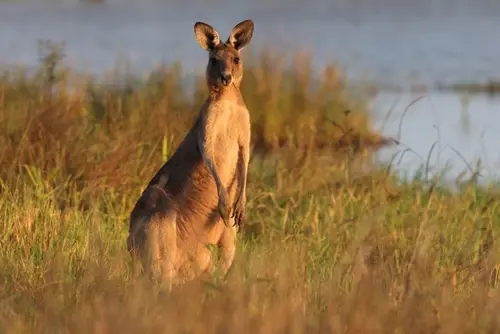
Kangaroos and koalas are easy to see at sanctuaries near every capital, and harder but more rewarding in the wild on Kangaroo Island or in the Grampians. Humpback whales pass the east and west coasts between June and November. On the Gold Coast, Dreamworld, Warner Bros. Movie World and Sea World cluster within 20 minutes of each other.
Road Trips & National Parks
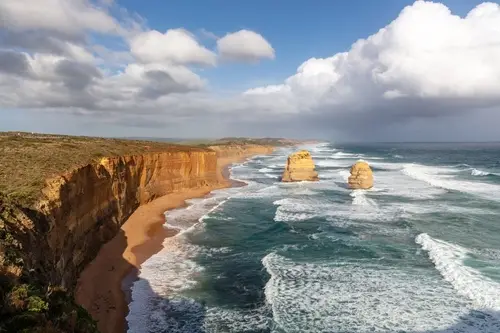
The Great Ocean Road covers 240 kilometres of cliffs and the Twelve Apostles in a long day from Melbourne. The Blue Mountains sit 90 minutes from Sydney by train, Kakadu is three hours from Darwin, and Tasmania can be driven end to end in under six hours. Fuel stops thin out fast once you leave the coast.
Australia Itineraries That Match Popular Travel Styles
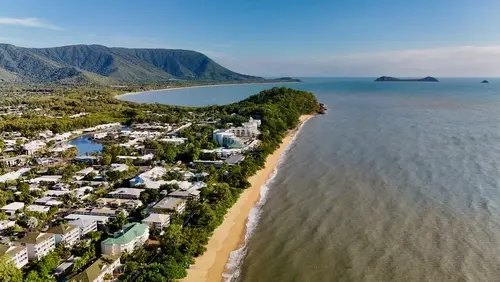
East Coast Classic - We recommend: Sydney + Brisbane + Cairns
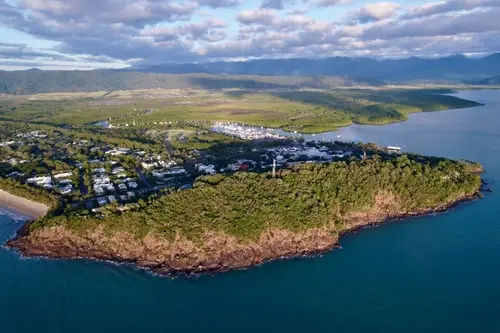
-
The default first trip to Australia. Harbour and beaches in Sydney, the Gold Coast or Sunshine Coast in the middle, then the reef and rainforest at the top.
-
Runs on short domestic flights of one to three hours. Ten days is tight but workable, two weeks is comfortable.
-
Works year-round, though the Cairns leg is better between May and October when the reef water is clearest.
Reef & Rainforest Week - We recommend: Cairns + Port Douglas + Green Island
-
Built around Great Barrier Reef trips, with the Daintree and Cape Tribulation filling the days between boats.
-
Green Island and the outer reef pontoons suit families and non-swimmers, while the Ribbon Reefs are the target for certified divers.
-
Base yourself in one town and take day trips. Moving hotels every night wastes the short weather windows.
Red Centre & Top End - We recommend: Uluru + Alice Springs + Darwin

-
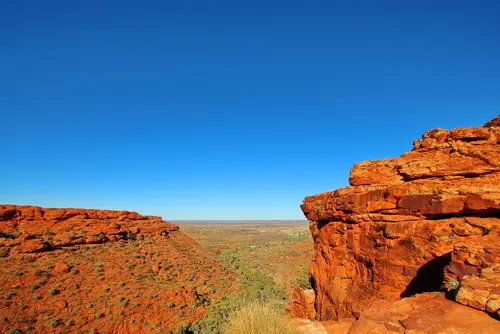
Uluru and Kata Tjuta at sunrise, Kings Canyon on the drive, then Kakadu and Litchfield out of Darwin.
-
Go between May and September. Summer in the centre regularly passes 40°C and the Top End floods.
-
Distances are long and services sparse, so most travellers book a guided tour or a 4WD rather than drive a standard car.
Whitsundays Island Escape - We recommend: Airlie Beach + Hamilton Island + Whitehaven Beach

-
Sailing trips of two or three nights are the standard way to see the Whitsunday Islands, with snorkelling stops inside the reef.
-
Hamilton Island has the airport and the resorts, Airlie Beach has the backpacker boats and cheaper beds.
-
Pairs easily with Cairns or Brisbane on a longer Queensland route.
Southern Cities & Wine - We recommend: Melbourne + Adelaide + Hobart
-
Coffee, laneways and galleries in Melbourne, the Barossa and McLaren Vale out of Adelaide, then MONA and the wilderness in Tasmania.
-
Best in spring and autumn. Add the Great Ocean Road as a two-day detour from Melbourne.
-
Suits travellers who would rather eat and drink well than snorkel, and who do not mind cooler weather.
Western Australia Coast - We recommend: Perth + Rottnest Island + Margaret River
-
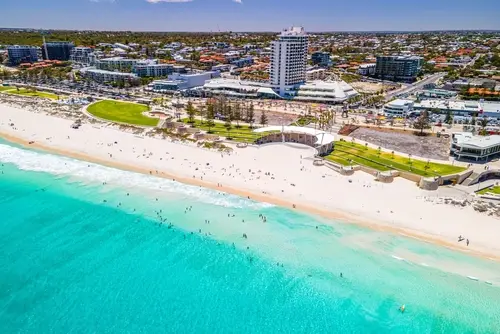
Perth for the beaches and Kings Park, Rottnest Island for quokkas and bike-only roads, Margaret River for surf and cellar doors.
-
Extend north to Ningaloo Reef, where you can swim with whale sharks between March and July.
-
Sydney to Perth is a five-hour flight, so treat the west as its own trip rather than an add-on.
Nearby Destinations
New Zealand
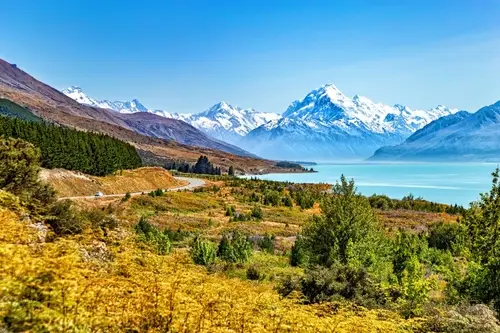
Three hours from Sydney and the most common add-on to an Australia trip. Fiordland, the Southern Alps and Rotorua give you glaciers and volcanoes that Australia cannot, and the two countries share a visa-light travel relationship for most nationalities.
Fiji
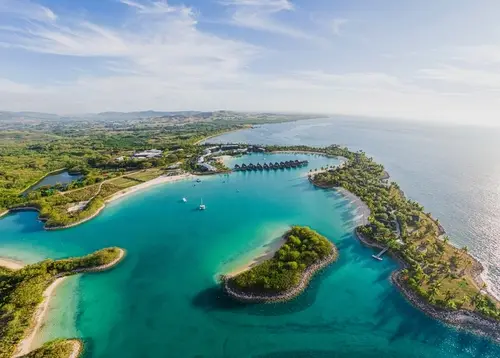
Four hours from Sydney or Brisbane and a standard stopover on flights between Australia and North America. Reef diving, island resorts and a short flight time make it an easy week bolted onto a Queensland itinerary.
Indonesia
Bali is three hours from Perth and six from Sydney, which is why it functions as Australia’s local beach holiday. Temples, volcanoes and Nusa Penida sit within a short trip of the airport, and costs run well below Australian prices.
Singapore
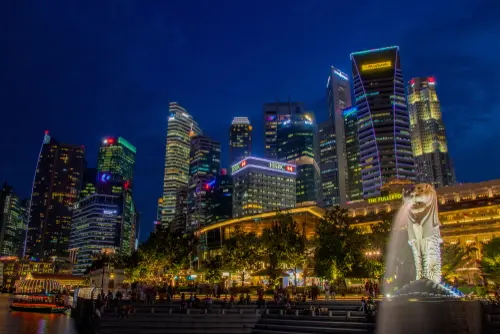
The busiest transit point between Australia and Europe, and worth breaking the journey for. Two or three days covers Gardens by the Bay, Sentosa and the hawker centres, and long-haul flights out of Sydney, Melbourne and Perth all route through it.
Japan
Around nine hours from the east coast, with direct flights from Sydney, Melbourne, Brisbane and Cairns. Australians travel there for the ski season from December to March, which is exactly when the Australian tropics are closed for the wet.