Best Places to Visit in Portugal: Lisbon, Porto & the Algarve
From Lisbon’s tiled hills to the cliffs of the Algarve and the terraced vineyards of the Douro, the best places to visit in Portugal sit within a few hours of each other.
Vibe
Tiled streets, Atlantic surf, long lunches and fado drifting out of doorways after dark. Portugal moves at a slower pace than most of Western Europe, and it costs less while doing it.
Highlights
Lisbon and Porto, the beaches and sea caves of the Algarve, Sintra’s hilltop palaces, the terraced vineyards of the Douro Valley, and two Atlantic island groups in Madeira and the Azores.
Sweet Spot
May, June, September and October. Warm sea, manageable crowds and cities you can walk all day. September is the single best time to visit Portugal if you want beach weather and quiet streets at once.
The Wallet
Food, wine and transport cost less here than in most of Western Europe. Lisbon and the Algarve in August are the exceptions. Inland Alentejo and shoulder-season city breaks are where your money goes furthest.
Quick Facts
Currency in Portugal
The Euro (EUR) is the official currency in Portugal. Cards work almost everywhere in cities and tourist areas, but Portuguese money still has a cash side: small cafés, village bakeries, market stalls and some taxis prefer coins and notes.
Language in Portugal
Portuguese is the official language of Portugal. English is widely spoken in Lisbon, Porto and along the Algarve, and less so in inland towns. Mirandese is co-official in a small area of the northeast.
Visa & Passport in Portugal
Portugal is part of the Schengen Area, so entry rules depend on your nationality. Visa-exempt travellers can stay 90 days in any 180-day period. The EU’s Entry/Exit System now takes fingerprints and a facial scan at the border, and the separate ETIAS authorisation will apply to visa-exempt travellers once it launches. Check your passport has enough validity left before booking.
Power Plug Type in Portugal
Portugal uses Type F sockets running at 230V and 50Hz. Type C and Type E plugs fit the same sockets. Travellers from the UK, US, Canada and Australia need an adapter, and some US devices also need a voltage converter.
Best Vacation Spots in Portugal
Lisbon
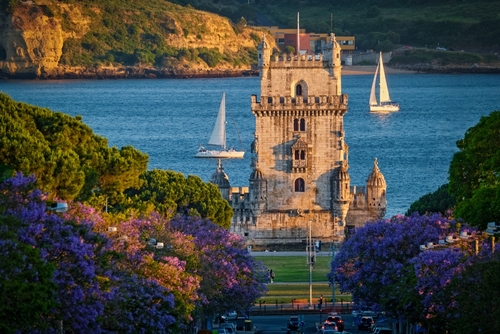
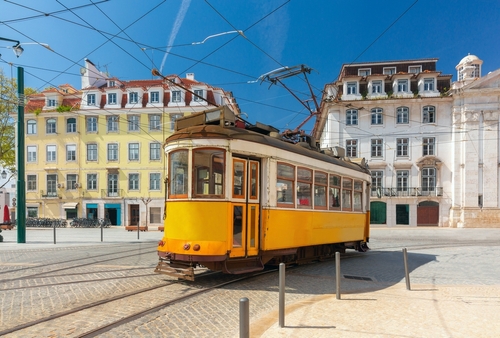
Portugal’s capital is built across seven hills above the Tagus. Ride tram 28 through Alfama, climb to São Jorge Castle for the view, then spend a morning in Belém among monasteries, custard tarts and river light.
Porto
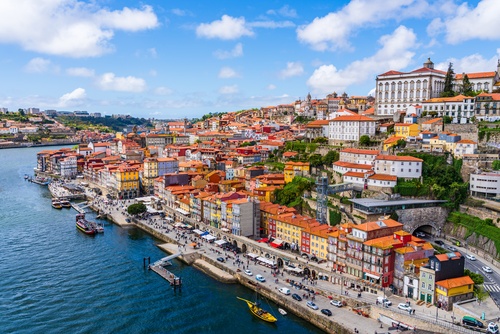
Smaller and steeper than Lisbon, Porto stacks granite houses above the Douro. The port wine cellars sit across the river in Gaia, the Ribeira waterfront fills up at dusk, and a francesinha is the local test of appetite.
The Algarve
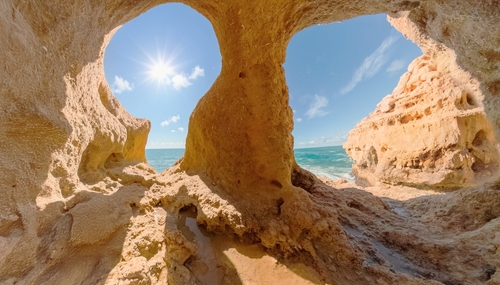
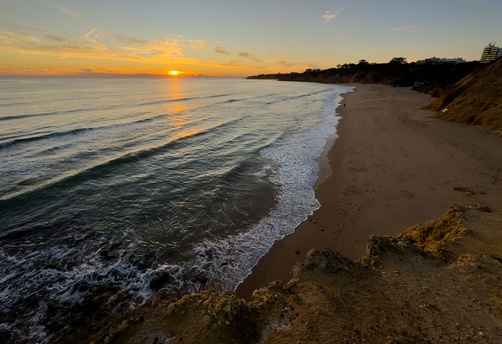
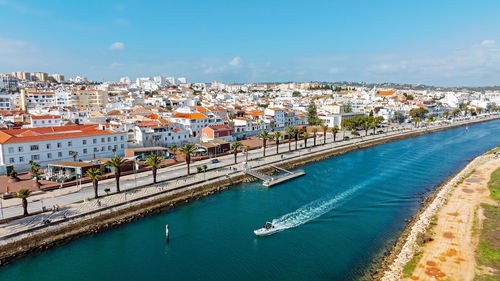
Southern Portugal holds the country’s best-known beaches, from the ochre cliffs and grottoes around Lagos to the sandbar islands off Tavira. Benagil cave is the headline act, now reachable only on a licensed boat or guided kayak tour.
Sintra
Half an hour by train from Lisbon, this UNESCO-listed hillside holds Pena Palace, the Moorish castle ruins and the tunnels of Quinta da Regaleira. Wooded, often misty and busiest between eleven and three.
Douro Valley
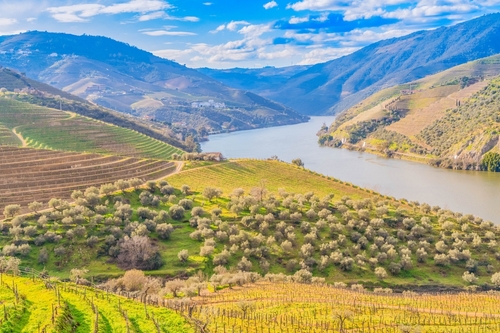
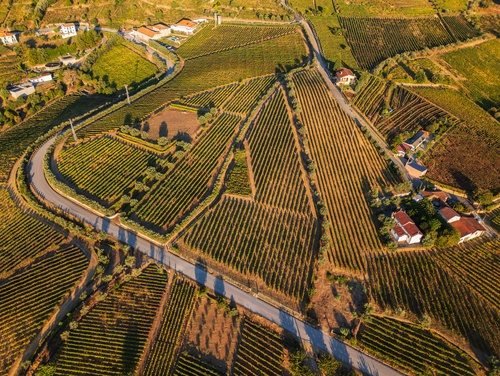
The world’s oldest demarcated wine region runs east from Porto in terraces cut into schist. Reach it by river cruise, by car, or on the slow train to Pinhão, and taste port where it is actually made.
Madeira
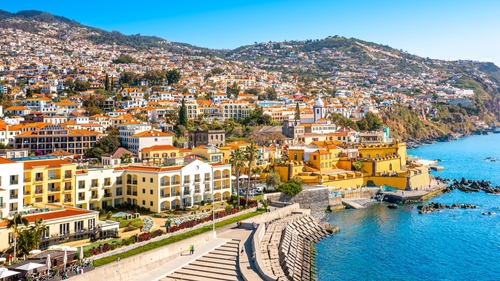
A volcanic island a two-hour flight off the mainland, with spring-like weather most of the year. Walk the levada water channels, ride the Funchal cable car, and drink the fortified wine it is named after.
Planning Your Portugal Adventure: Travel Tips & Essentials
Getting Around
CP’s Alfa Pendular runs Lisbon to Porto in around 2 hours 45 minutes to 3 hours, with roughly ten weekday departures. Regional trains and intercity coaches reach most of the mainland. A car earns its keep in the Algarve, the Douro and the Alentejo, though nearly every motorway is tolled and rentals usually come with a transponder fitted. In Lisbon or Porto, skip the car.
Best Times to Visit
The best time to visit Portugal is March to June or September to October, when the weather suits both sightseeing and hiking. September wins on balance: the Atlantic is still warm from summer and the crowds have thinned. July and August bring real heat and full beaches. Winter stays mild in the Algarve and turns wet in Porto and the north.
Budget Planning
Portugal costs less than most of Western Europe, with Lisbon and the Algarve in high summer as the exceptions. Food and wine stay good value nationwide, and a set lunch in a neighbourhood tasca is still one of the better deals in Europe. Douro wine estates and Madeira sit at the pricier end. Travelling in May or October cuts accommodation costs sharply.
Trip Ideas
A week covers Lisbon, Sintra and Porto comfortably. Two weeks adds the Douro and the Algarve, or an island leg to Madeira or the Azores. Because the mainland is small, you can pair two or three regions without losing days to travel, which is why so many Portugal itineraries mix a city, a wine region and a stretch of coast.
Things to Do in Portugal
Historic Cities & Manueline Landmarks
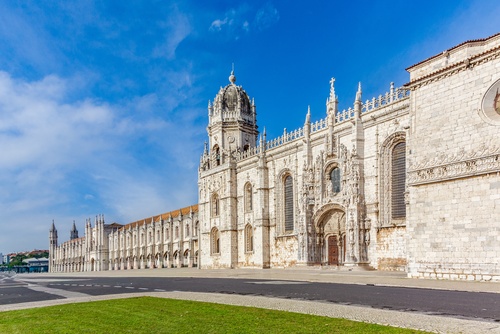
Portugal built its wealth on sea voyages, and the architecture says so. Belém Tower and Jerónimos Monastery in Lisbon carry the twisted rope and armillary sphere carvings of the Manueline style, while Porto, Évora, Coimbra and Guimarães each hold their own layer of the story.
Portuguese Food, Markets & Pastelarias
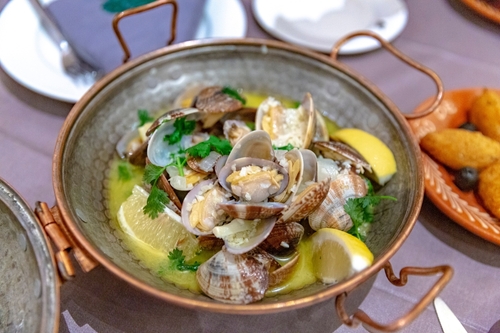
Food in Portugal starts with bacalhau, the salt cod that has hundreds of recipes attached to it, and ends with a pastel de nata eaten standing at the counter. Try a bifana in Lisbon, a francesinha in Porto, grilled sardines in summer, and whatever the day’s catch is on the coast.
Beaches & the Algarve Coast
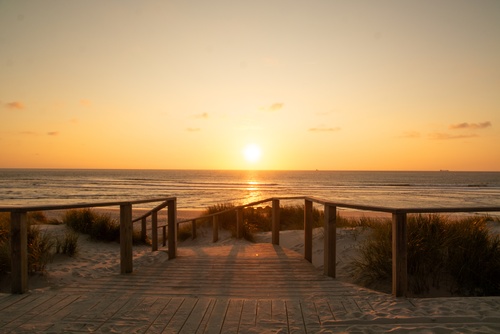
The beaches in Portugal run the whole west and south coast. The Algarve has the cliffs, grottoes and calm water, including Benagil cave. Head north for surf at Nazaré and Peniche, or west from Lisbon to Cascais and Guincho for a beach day that fits around city sightseeing.
Port Wine, Vinho Verde & Douro Vineyards
Cross the bridge from Porto to Vila Nova de Gaia and the port lodges are lined up along the quay for tastings. Upriver, the Douro Valley grows the grapes on terraces cut into schist. Further north, Vinho Verde is the light, faintly fizzy white that locals drink through summer.
Palaces, Azulejos & Museums
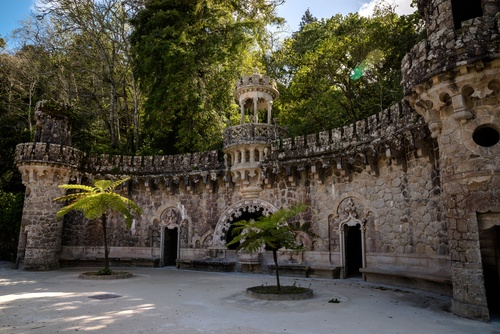
Sintra alone holds Pena Palace, the Moorish castle and Quinta da Regaleira. In Lisbon, the National Tile Museum traces five centuries of azulejos, and São Jorge Castle gives you the city from above. Porto answers with Palácio da Bolsa and the tiled façade of São Bento station.
Island Hiking in Madeira & the Azores
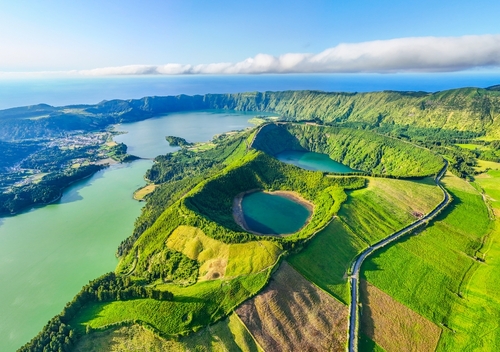
Portugal’s Atlantic islands are where the walking is. Madeira’s levada trails follow old irrigation channels along cliffs and through laurel forest. The Azores add crater lakes, hot springs and whale watching across nine volcanic islands, reachable on short flights from Lisbon or Porto.
Portugal Itineraries That Match Popular Travel Styles
Portugal in One Week - We recommend: Lisbon + Sintra + Porto
-
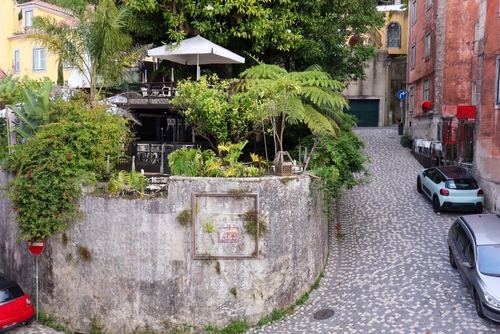
The standard first trip: three or four days in Lisbon with a day in Sintra, then the train north to Porto for the rest of the week.
-
Alfa Pendular covers Lisbon to Porto in under three hours, so the whole route works without a rental car.
-
Leaves room to add a Douro Valley day trip from Porto or a beach afternoon in Cascais without rearranging anything.
Algarve Beach Escape - We recommend: Lagos + Albufeira + Tavira
-
A week on the southern coast built around cliff beaches, boat trips to Benagil cave and the sandbar islands of the Ria Formosa.
-
Faro airport puts all three towns within an hour’s drive, and a car makes the smaller coves worth chasing.
-
June and September give warm water without August prices or the fully booked beaches that come with them.
Port Wine & Douro Valley Route - We recommend: Porto + Peso da Régua + Pinhão
-
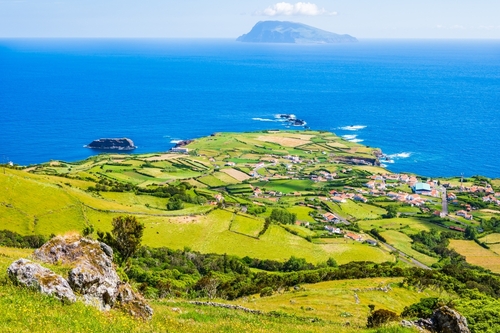
Start with the port lodges in Vila Nova de Gaia, then follow the river east into the terraced vineyards where the grapes actually grow.
-
The Linha do Douro train hugs the water from Régua to Pinhão and is worth doing in at least one direction.
-
Harvest runs from mid-September into October, when estates open for treading and the terraces turn colour.
Atlantic Islands Break - We recommend: Funchal + Ponta Delgada + Lisbon
-
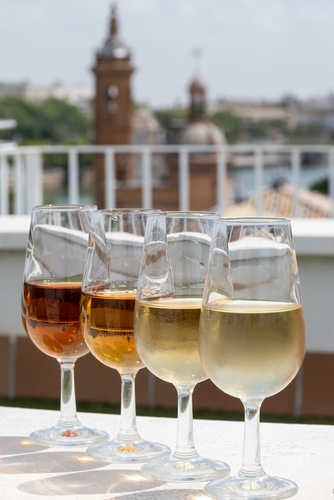
Pair a mainland city stop with one or both island groups: Madeira for levada walks and gardens, the Azores for crater lakes and hot springs.
-
Flights from Lisbon take under two hours to Funchal and around two and a half to Ponta Delgada.
-
Madeira stays walkable year round, while the Azores are at their driest and best for whale watching between May and September.
Portugal Food & Wine Trail - We recommend: Lisbon + Alentejo + Porto

-
Eat through the country from Lisbon’s markets and pastelarias to Alentejo pork and bread dishes, finishing with francesinha and port in Porto.
-
The Alentejo leg needs a car, which also opens up Évora, cork oak country and a string of wine estates.
-
Slower than the classic city route and better suited to travellers who plan days around lunch.
Spain & Portugal Highlights Route - We recommend: Lisbon + Seville + Madrid
-
The common way to combine Spain and Portugal in one trip, moving east from the Atlantic through Andalusia to central Spain.
-
Lisbon to Seville is a coach or short flight, then Spain’s AVE high-speed trains handle the rest.
-
Two weeks is a comfortable minimum. Ten days works if you cut it to Lisbon and Seville only.
Nearby Destinations
Italy
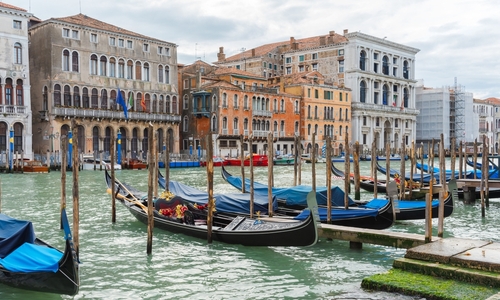
Direct flights link Lisbon with Rome, Milan and Venice in around three hours. Worth pairing with Portugal on a longer southern Europe trip built around food, art cities and coastline.
Morocco
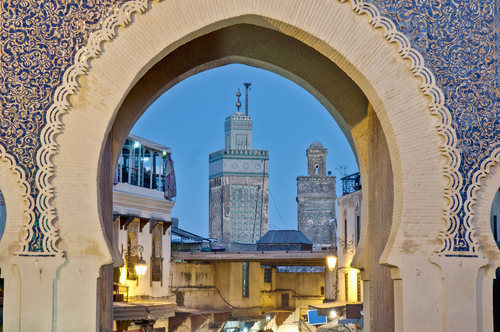
Two and a half hours from Lisbon by air, or a ferry hop from southern Spain if you are already driving. Marrakech, Fez and the Atlantic coast give a sharp change of scene at the end of an Iberian trip.
United Kingdom
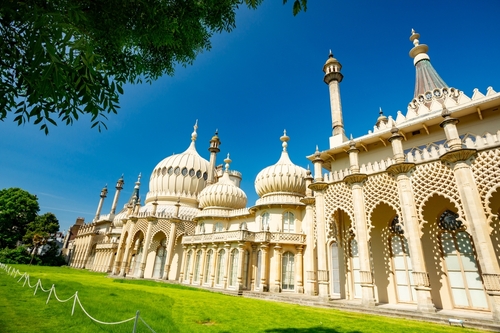
One of Portugal’s busiest air corridors, with frequent flights from Lisbon, Porto and Faro to London and regional UK airports. Handy as an entry or exit point rather than a side trip.