Best Places to Visit in the Netherlands: Canal Cities & Tulip Fields
The best things to visit in the Netherlands sit remarkably close together: Amsterdam’s canal ring, Rotterdam’s modern skyline and the tulip fields near Lisse are all within a two-hour train ride of each other. Travel to the Netherlands is easy to organise, and almost everyone you meet speaks English.
Vibe
Flat, orderly and organised around water and bicycles. Dutch cities are compact enough to cross on foot, the countryside starts a few minutes past the last tram stop, and English is spoken almost everywhere.
Highlights
Amsterdam’s canal ring and museums, Rotterdam’s post-war architecture, Utrecht’s two-level canal wharves, the tulip fields of the bulb region, and Giethoorn, a village with boats instead of roads.
Sweet Spot
Mid-April for tulips at full colour. May and early June bring long daylight without August queues, and September stays mild while the crowds thin out.
The Wallet
Money in the Netherlands goes further outside the capital. Amsterdam hotel bills now carry 12.5% tourist tax on top of 21% VAT, so basing yourself in Haarlem, Utrecht or Rotterdam and commuting in by train cuts the cost of a trip noticeably.
Quick Facts
Currency in the Netherlands
The Euro (EUR) is the currency in the Netherlands. Cards are accepted almost everywhere and cash is rarely needed, but there is one local quirk worth knowing: many supermarkets, bakeries and market stalls take Dutch debit cards (Maestro or V Pay) and turn down Visa and Mastercard credit cards. Carry a debit card or a small amount of cash as backup.
Language in the Netherlands
Dutch is the official language of the Netherlands, and Frisian holds official status alongside it in the province of Friesland. English is spoken to a high standard by most people, including in shops, museums and restaurants, so language is rarely a barrier for visitors.
Visa & Passport in the Netherlands
The Netherlands is part of the Schengen Area. Visa-exempt travellers can stay up to 90 days in any 180-day period, while others need a Schengen visa. Your passport should be valid for at least three months beyond your departure date and issued within the past ten years. Non-EU arrivals now register fingerprints and a photo at the border under the EU Entry/Exit System.
Power Plug Type in the Netherlands
The Netherlands uses Type C and Type F plugs at 230V and 50Hz, the same standard as most of mainland Europe. Travellers from the UK, US, Australia or Japan will need an adapter, and US visitors should check that their devices handle 230V.
Best Places to Visit in the Netherlands
Amsterdam
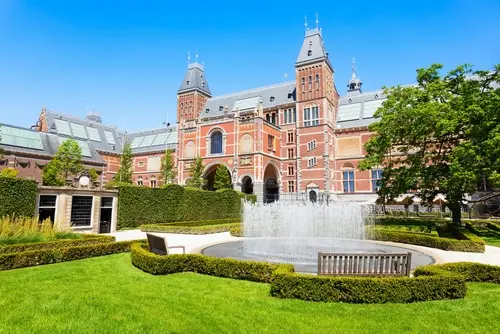
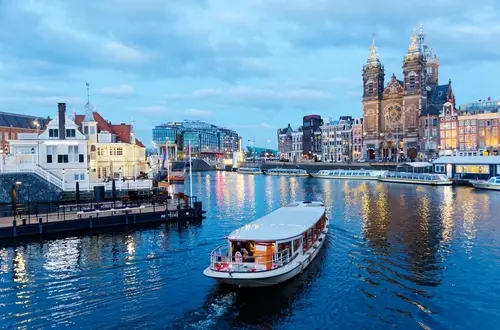
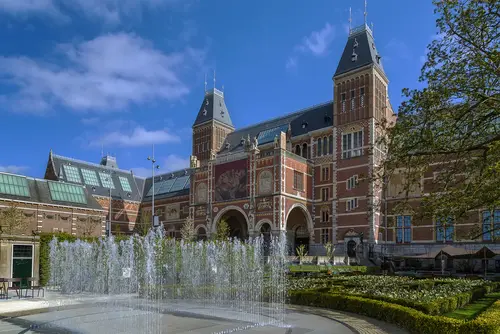
The canal ring, the Van Gogh Museum and the Rijksmuseum sit within walking distance of one another. Amsterdam rewards slow days on foot or by bike, and it works as a base for the tulip fields and windmill villages nearby.
Rotterdam
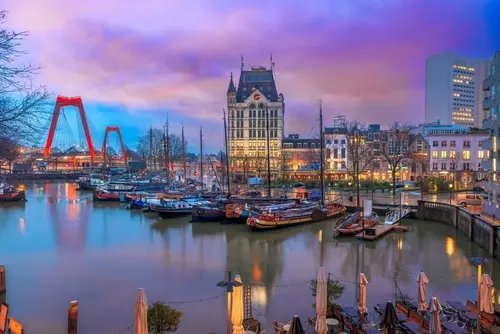
Rebuilt from scratch after 1940, Rotterdam is the one Dutch city that looks nothing like a postcard. Cube Houses, the Erasmus Bridge and the Markthal food hall make it a good counterweight to a few days of gabled canal houses.
The Hague
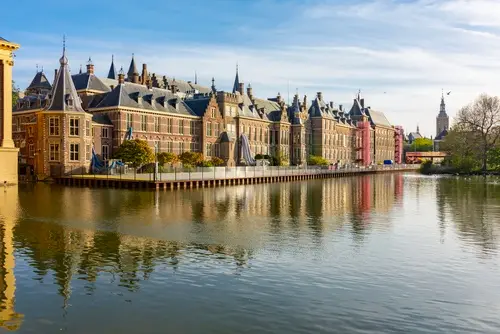
The seat of Dutch government and the International Court of Justice, with the Mauritshuis and its Vermeers a short walk from the centre. Scheveningen puts one of the country’s widest North Sea beaches at the end of a tram line.
Utrecht
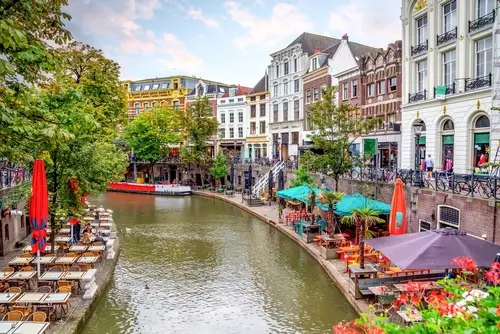
Half an hour from Amsterdam by train, Utrecht has canals with wharves at water level, so its cafés sit a storey below the street. Climbing the Dom Tower gives the best view over the medieval centre.
Maastricht
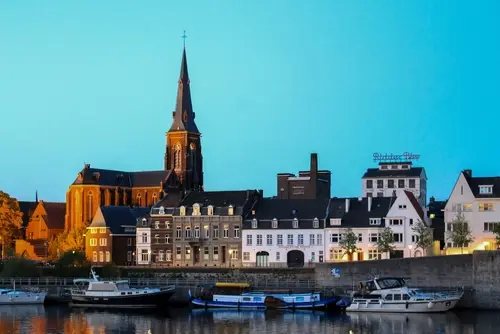
Tucked into the southern tip of the country between Belgium and Germany, Maastricht feels closer to Liège than to Amsterdam. Roman foundations, a bookshop in a Gothic church and hills nearby make it the least Dutch-looking city in the Netherlands.
Giethoorn
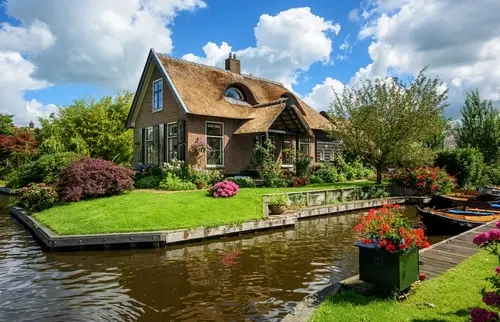
A village in Overijssel with footbridges and canals where the streets would be, and no through roads in the old centre. Most visitors spend four to six hours here on a boat and on foot, and staying overnight means seeing it without the day-trip coaches.
Planning Your Netherlands Trip: Travel Tips & Essentials

Getting Around
Most flights to the Netherlands land at Schiphol, which has a train station directly under the terminal. NS trains reach Utrecht in about 30 minutes and Rotterdam in around 40, and you tap in and out with a contactless bank card or phone through OVpay rather than buying paper tickets. Bikes are the other half of the system: nearly 300 stations rent out OV-fiets bicycles for a few euros a day.
Best Times to Visit
The best month to visit the Netherlands depends on what you came for. Mid-April is peak tulip season, with Keukenhof open from 19 March to 10 May in 2026. May and June give long evenings and warm afternoons, September stays mild with far shorter museum queues, and winter is grey and wet but good for indoor days and Christmas markets. Weather in the Netherlands changes fast in any season, so pack a rain layer.
Budget Planning
Accommodation is the line item that hurts. Dutch VAT on hotel rooms rose from 9% to 21% in January 2026, and Amsterdam adds 12.5% tourist tax on top, which is the highest municipal rate in Europe. Sleeping in Haarlem, Utrecht, Rotterdam or Delft and taking the train in cuts that bill substantially. Trains, museums and food are more predictable, and a cheese-and-bread lunch from a market costs a fraction of a sit-down meal.
Trip Ideas
Because the country is small, you can mix very different days into one short trip: museums in Amsterdam, architecture in Rotterdam, a cycle route through the Dutch countryside, a boat through Giethoorn and an afternoon on the North Sea coast. Almost nothing is more than two and a half hours from anything else by train.
Things to Do in the Netherlands
Dutch Food, Cheese and Market Snacks
Traditional Dutch food is street food and market food more than restaurant food. Start with cheese: Gouda, Edam and aged boerenkaas turn up at the Netherlands cheese markets in Alkmaar and Gouda, where trading still runs on handshakes in summer. Then a stroopwafel pressed while you wait, raw herring with onions from a stall, bitterballen with a beer, and poffertjes in winter. Dutch liquorice divides visitors sharply, which is reason enough to try it.
Tulip Fields and Flower Gardens
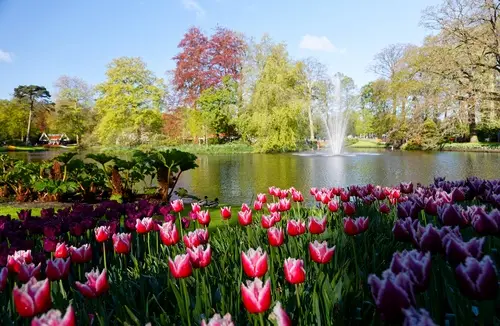
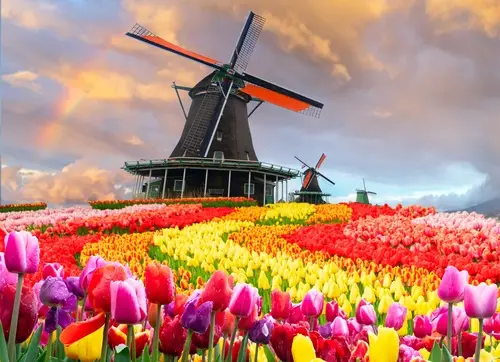
The tulip fields in the Netherlands run in stripes across the bulb region between Haarlem and Leiden, and they are at their best for roughly three weeks in mid-April. Keukenhof concentrates seven million bulbs into one garden, while cycling the lanes around Lisse and Noordwijkerhout gets you the open fields for free.
Cycling and the Dutch Countryside
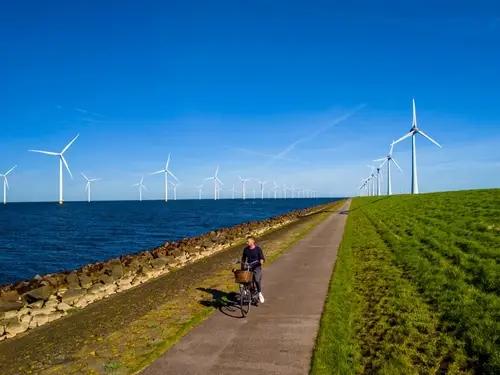
The Dutch countryside is built for bicycles, with 35,000 kilometres of signposted cycle paths and a numbered junction system that lets you plot a route without a map. Pick up an OV-fiets at any station and ride out through polders, dikes and villages. The beaches in the Netherlands sit at the end of many of these routes, from Zandvoort to the Wadden islands.
Museums and Dutch Art
For a country this size the museum density is unusual. The Rijksmuseum and Van Gogh Museum in Amsterdam, the Mauritshuis in The Hague with Vermeer’s Girl with a Pearl Earring, the Kröller-Müller in a national park, and the Anne Frank House, where booking a timed slot well ahead is the only realistic way in.
Canal Cruises, Boats and Windmills
Seeing the country from the water explains how it was built. Canal cruises in Amsterdam and Utrecht, whisper boats through Giethoorn, and combined bike-and-boat tours that carry your bicycle between villages. For windmills, Zaanse Schans is 17 minutes by train from Amsterdam, while Kinderdijk lines up 19 UNESCO-listed mills along the water near Rotterdam.
Theme Parks and Family Days Out
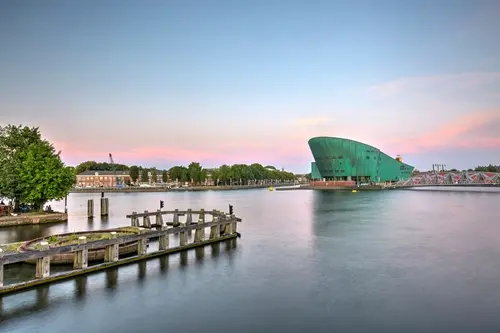
The best-known amusement park in the Netherlands is Efteling in Kaatsheuvel, open since 1952 and built around a Fairy Tale Forest rather than film franchises. NEMO Science Museum in Amsterdam is hands-on across five floors, and Madurodam in The Hague shrinks the whole country to knee height.
Netherlands Itineraries That Match Popular Travel Styles
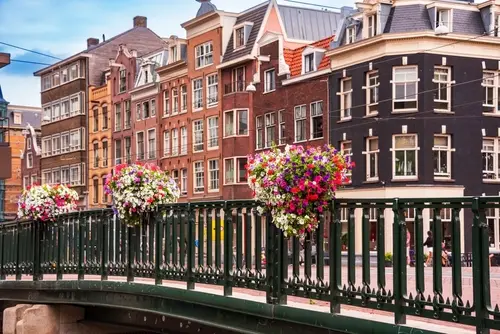
Classic Dutch Cities Route - We recommend: Amsterdam + Utrecht + Rotterdam
-
Three cities with very different faces: canal houses and museums in Amsterdam, medieval wharves in Utrecht, and post-war architecture in Rotterdam.
-
Trains run every few minutes and no leg takes more than 40 minutes, so you can stay in one hotel and treat the other two as day trips.
-
Works well over four or five days, and it is the easiest route for a first visit to the Netherlands.
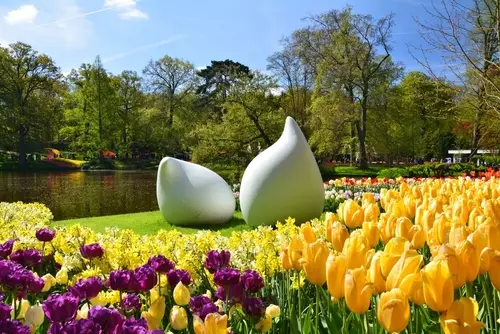
Tulip Season Trip - We recommend: Amsterdam + Lisse + Haarlem
-
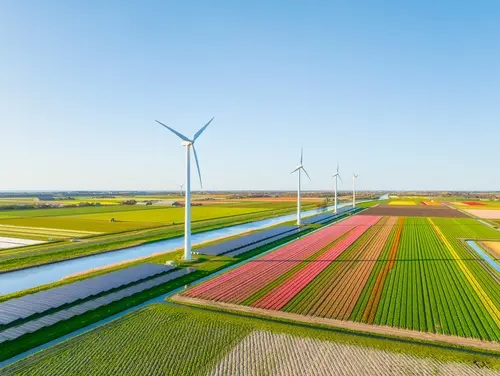
Built around the bulb region between Haarlem and Leiden, where the tulip fields flower for about three weeks from early April.
-
Combine a timed ticket for Keukenhof with a rented bike, since the open fields beside the lanes are often better than the garden itself.
-
Book accommodation early and avoid King’s Day on 27 April unless you want the crowds, because it falls in the middle of peak bloom.
Dutch Countryside and Windmills - We recommend: Giethoorn + Zaanse Schans + Kinderdijk
-
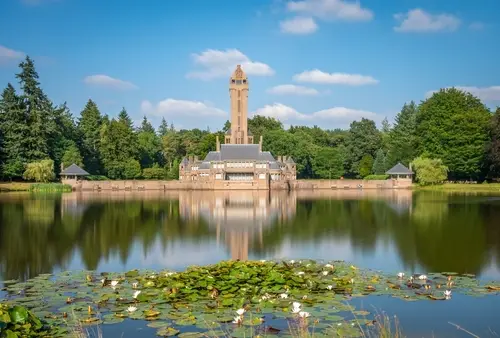
A slower route through the Dutch countryside, with canals instead of roads in Giethoorn and working mills at Zaanse Schans and Kinderdijk.
-
Zaanse Schans is a 17-minute train ride from Amsterdam, Kinderdijk needs a train to Rotterdam plus a waterbus, and Giethoorn deserves a night rather than a rushed afternoon.
-
Best between May and September, when the mills turn on set days and the cycle paths are dry.
Dutch Art and Museums Route - We recommend: Amsterdam + The Hague + Otterlo
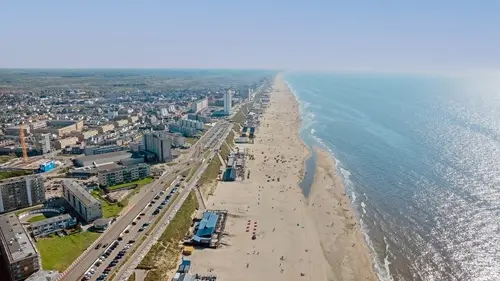
-
Follows the Dutch Golden Age and Van Gogh through the Rijksmuseum, the Mauritshuis and the Kröller-Müller, which holds the second-largest Van Gogh collection in the world.
-
The Kröller-Müller sits inside Hoge Veluwe National Park, where free white bicycles carry you from the gate to the entrance.
-
Reserve the Anne Frank House and Van Gogh Museum the moment slots open, since both sell out weeks ahead in summer.
North Sea Coast and Beaches - We recommend: The Hague + Zandvoort + Texel
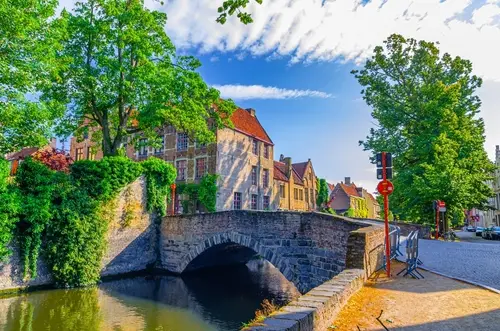
-
The beaches in the Netherlands run almost unbroken up the North Sea coast, with wide sand, beach pavilions and a reliable wind.
-
Scheveningen is a tram ride from The Hague and Zandvoort is 30 minutes by train from Amsterdam, so neither needs a car.
-
Texel adds a ferry and a night away, with dunes, seal colonies and far fewer people than the mainland resorts.
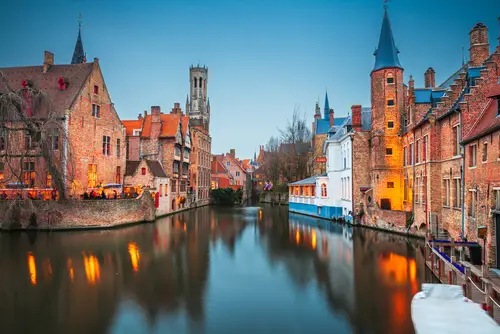
Netherlands & Belgium Highlights - We recommend: Amsterdam + Antwerp + Bruges
-
Pairs Dutch canal cities with Flemish ones, adding Belgian beer, chocolate and Antwerp’s fashion and diamond districts.
-
Direct trains run Amsterdam to Antwerp in about an hour and a half, so crossing the border costs you an afternoon at most.
-
Easy to extend to Brussels, Ghent or on to Paris by high-speed train if you have more than a week.
Nearby Destinations
Belgium
The closest and easiest addition to a Netherlands trip. Antwerp is around 90 minutes from Amsterdam by direct train, with Bruges, Ghent and Brussels not much further, and the beer and chocolate make the contrast with Dutch food obvious.
Germany
Cologne is about two and a half hours from Amsterdam by ICE train, and the Ruhr cities sit just over the eastern border. A common pairing is the Netherlands with the Rhine valley, using Arnhem or Maastricht as the crossing point.
United Kingdom
Eurostar links Amsterdam and Rotterdam directly to London in around four hours, and overnight ferries run from IJmuiden and Rotterdam to Newcastle and Hull for travellers who would rather sleep across the North Sea.
Luxembourg
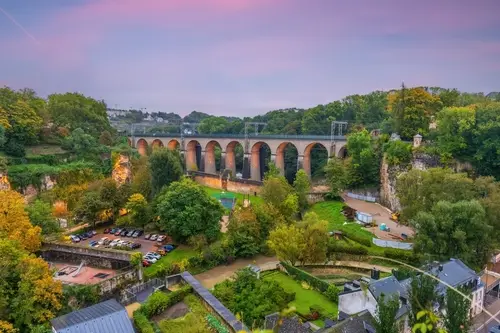
A short hop south from Maastricht, and the one place in the region with real hills and castle valleys. Public transport across the whole country is free, which makes a two-day stop cheap once you are there.