Best Places to Visit in Ireland: Dublin, the West Coast & Castles
Ireland fits castles, cliff walks and late-night pub sessions into a country you can drive across in a day. Most trips pair Dublin with the west coast, and the best time to visit Ireland runs from May to September.
Vibe
Green hills, grey Atlantic weather and a pub culture built on conversation. Ireland rewards short drives between landscapes that change completely in under an hour.
Highlights
Dublin, Galway, Cork, Killarney, Belfast and Kilkenny, plus the Cliffs of Moher, the Ring of Kerry, the Giant’s Causeway and a very long list of castles.
Sweet Spot
May, June and September bring long daylight, mild weather and thinner crowds. July and August are the busiest months, with festivals running in most towns.
The Wallet
Dublin hotels are the main expense. Costs drop once you head west or south, where guesthouses, pub lunches and regional trains keep a week manageable.
Quick Facts
Currency in Ireland
The Republic of Ireland uses the euro (EUR). Northern Ireland uses pound sterling (GBP), so a trip that includes Belfast or the Giant’s Causeway means carrying both. Cards are accepted almost everywhere, though rural pubs and small ferries sometimes want cash.
Language in Ireland
English is spoken everywhere. Irish, or Gaeilge, is the first official language and appears on road signs nationwide. It is still spoken day to day in the Gaeltacht areas of Galway, Kerry and Donegal.
Visa & Passport in Ireland
Ireland is in the EU but outside the Schengen Area, so it runs its own border checks and a Schengen visa does not cover it. Many nationalities enter visa-free for up to 90 days. Northern Ireland is part of the UK, and visa-free visitors need a UK Electronic Travel Authorisation even when crossing by road from Dublin.
Power Plug Type in Ireland
Ireland uses the three-pin Type G plug at 230V and 50Hz, the same as the UK. Visitors from continental Europe and North America need an adapter.
Best Vacation Spots in Ireland
Dublin
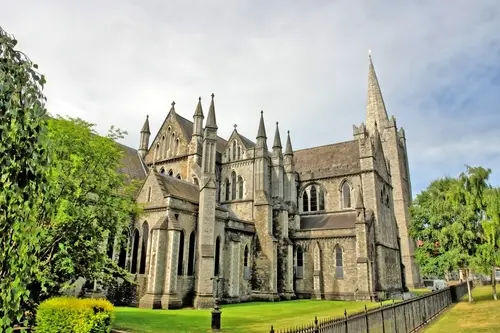
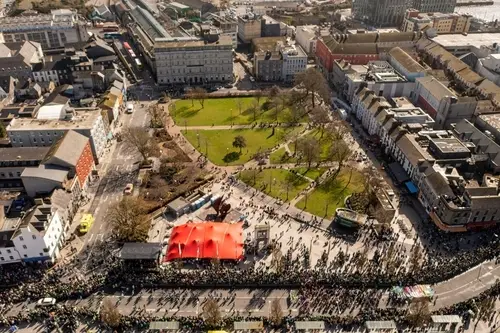
The capital keeps the Guinness Storehouse, Kilmainham Gaol, Trinity College and the pubs of Temple Bar within walking distance of each other. The DART train reaches the fishing village of Howth in half an hour.
Galway
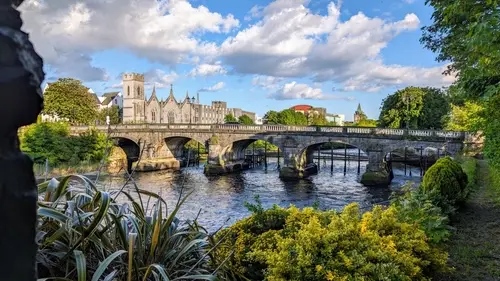
Galway is the base for the west coast: a small harbour city of painted shopfronts and street musicians, an hour from Connemara and 90 minutes from the Cliffs of Moher.
Killarney
Killarney sits at the start of the Ring of Kerry, beside a national park of lakes, oak woods and mountain passes. Muckross House, Torc Waterfall and the Gap of Dunloe are all inside the park boundary.
Cork
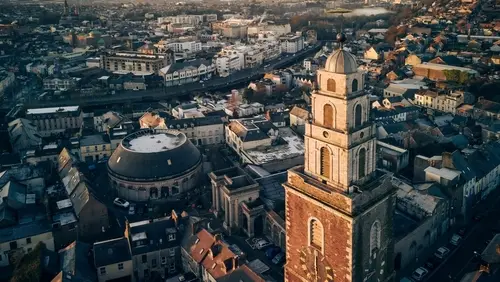
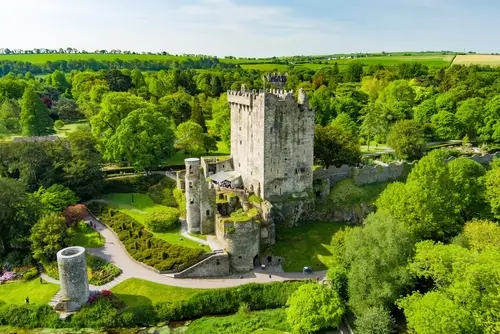
Cork covers the south, with the food stalls of the English Market, Blarney Castle a short drive outside town and the harbour at Cobh where the Titanic made its final stop.
Belfast
Belfast pairs Titanic Belfast and black taxi tours of the political murals with quick access to the Causeway Coast. The Enterprise train from Dublin takes a little over two hours.
Kilkenny
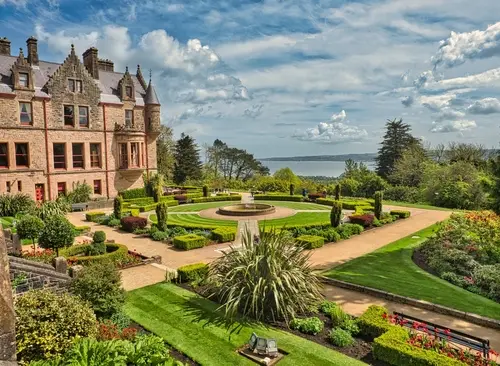
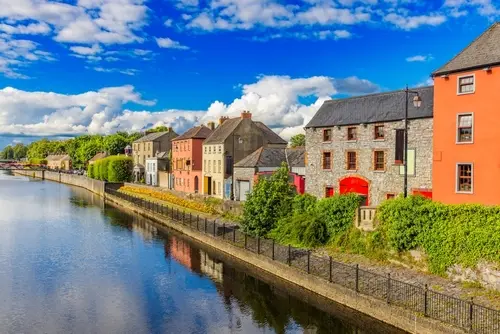
Kilkenny is the medieval stop on Ireland’s Ancient East. A Norman castle, a 13th-century cathedral and a slate-roofed lane called the Butter Slip sit inside a compact centre full of pubs.
Planning Your Ireland Trip: Travel Tips & Essentials
Getting Around
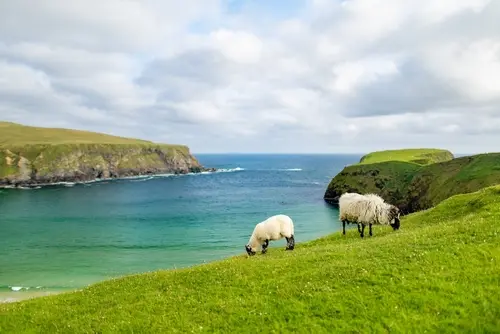
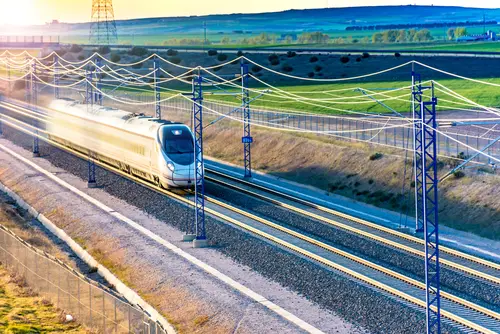
Intercity trains run from Dublin to Galway in about two hours 45 minutes, to Cork in roughly two and a half hours and to Belfast in a little over two. Bus Éireann covers the towns the railway misses. For the Ring of Kerry and the Wild Atlantic Way you want a car, and traffic drives on the left.
Best Times to Visit
The best time to visit Ireland is May to September, when daylight can last until 10pm around midsummer. July and August bring the warmest weather and the largest crowds, while May and September are quieter and cheaper. Rain arrives in every month, so pack layers whenever you travel.
Budget Planning
Dublin hotel rates are the biggest line in most budgets, and they climb during rugby weekends, concerts and St Patrick’s Festival. Outside the capital, guesthouses, pub lunches and regional trains keep daily costs moderate. Book car hire early if you are travelling in July or August.
Trip Ideas
Popular routes include a Dublin city break, a west coast drive from Galway down to Kerry, a castle circuit through Ireland’s Ancient East, and a loop from Belfast along the Causeway Coast to Derry.
Things to Do in Ireland
Castles & Historic Sites
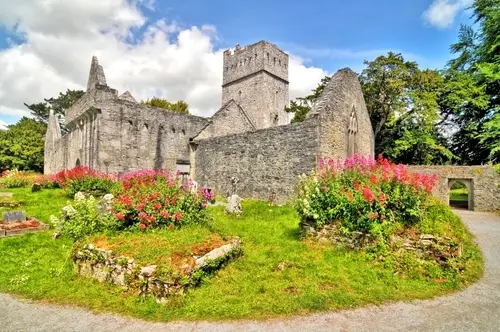
Ireland has thousands of castles. Blarney, Bunratty, Malahide, Trim, Kylemore Abbey and Dunluce on the Antrim cliffs are among the most visited, and many pair the tour with gardens, a folk park or a banquet in the great hall.
Traditional Irish Food & Drink
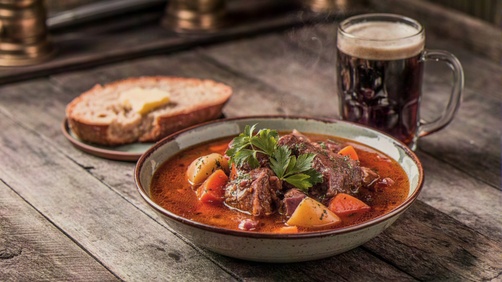
Irish dishes lean on what grows well in a wet climate: soda bread, seafood chowder, coddle, bacon and cabbage, and potatoes in a dozen forms. Add a full Irish breakfast, oysters in Galway and a brewery or whiskey distillery tour.
Coast Roads & the Wild Atlantic Way
The Wild Atlantic Way runs 2,750 km down the west coast from Donegal to Kinsale, taking in the Cliffs of Moher, Achill Island, Connemara and the Dingle Peninsula. Drive it in stages rather than end to end.
Pubs, Trad Music & Festivals
Live traditional music happens most nights in Galway, Doolin, Dingle and Dublin, usually free in the corner of a pub. Bigger dates include St Patrick’s Festival in March, the Galway International Arts Festival in July and the Oyster Festival in September.
Museums, History & Emigration Stories
Kilmainham Gaol, EPIC The Irish Emigration Museum, the galleries at Titanic Belfast and Bunratty Folk Park cover the rebellions, famine and emigration that shaped modern Ireland.
National Parks & Coast Walks
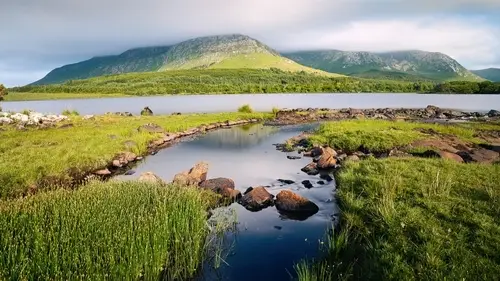
Six national parks cover Killarney, Connemara, the Burren, Glenveagh, Wicklow and Wild Nephin. Shorter walks include the Howth cliff path outside Dublin and the Causeway Coast Way in Antrim.
Ireland Itineraries That Match Popular Travel Styles
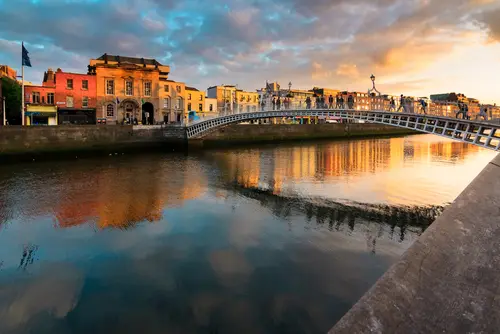
Ireland’s Classic Cities Route - We recommend: Dublin + Galway + Cork
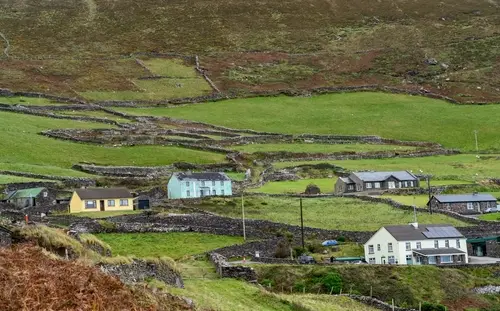
-
Covers the three cities most first trips are built around, with intercity trains linking all of them and no rental car needed.
-
Leaves room for day trips: the Cliffs of Moher from Galway, Blarney Castle and the Titanic port at Cobh from Cork.
-
Seven to ten days suits a comfortable pace. Five days works if you drop one of the three cities.
Wild Atlantic Way Coast Drive - We recommend: Galway + Doolin + Killarney
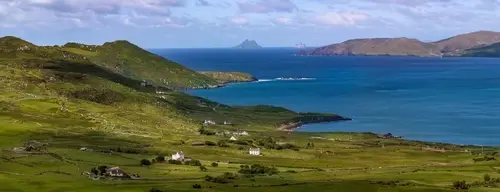
-
Follows the west coast past Connemara, the Burren, the Cliffs of Moher and the Dingle Peninsula on some of the best driving roads in the country.
-
Needs a rental car and patience with single-lane roads. Book accommodation ahead in summer, because coastal villages fill up.
-
Five to seven days covers this stretch. Longer trips continue north through Sligo to Donegal.
Ring of Kerry and the Southwest - We recommend: Killarney + Kenmare + Dingle
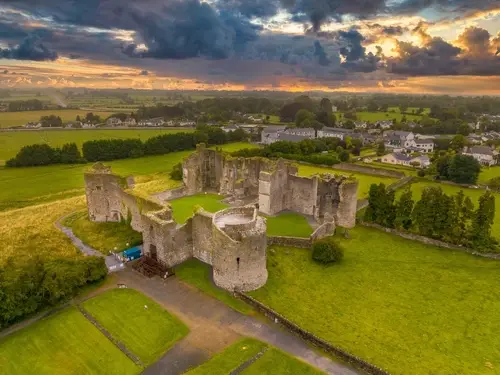
-
The Ring of Kerry is a 179 km loop through mountain passes, beaches and stone forts. It can be driven in a day, but two makes more sense.
-
Killarney National Park sits at the start of the loop, with Muckross House, Torc Waterfall and the Gap of Dunloe inside it.
-
Tour coaches run the ring anti-clockwise, so driving clockwise means fewer buses meeting you on the narrow sections.
Castles and Ireland’s Ancient East - We recommend: Dublin + Kilkenny + Cashel
-
Strings together Norman castles, monastic ruins and medieval towns that sit within short drives of each other in the southeast.
-
Highlights are Kilkenny Castle, the Rock of Cashel, the monastic valley at Glendalough and Trim Castle, used as a location in Braveheart.
-
Four to six days suits history-focused trips, and the route also works as an add-on to a Dublin city break.
Causeway Coast and Northern Ireland - We recommend: Belfast + Bushmills + Derry
-
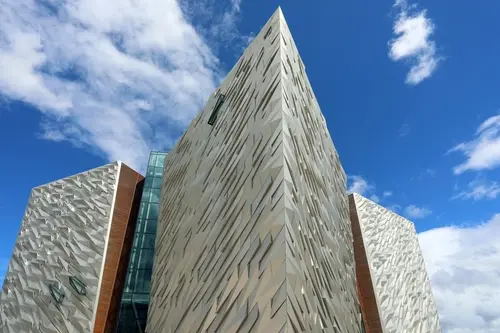
Combines Titanic Belfast and the city’s political murals with the Giant’s Causeway, Dunluce Castle and the Carrick-a-Rede rope bridge.
-
Northern Ireland uses pound sterling and belongs to the UK, so visa-free visitors need a UK Electronic Travel Authorisation before crossing.
-
Three to four days covers the route. The coast road between Belfast and Derry is the part worth taking slowly.
Irish Food and Pub Trail - We recommend: Dublin + Cork + Kinsale
-
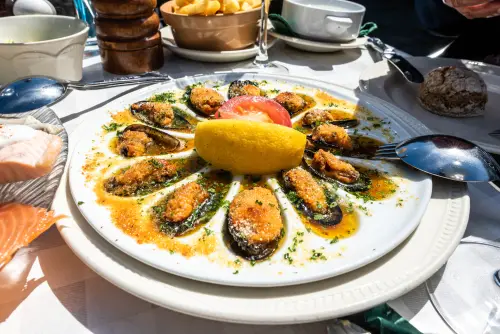
Built around markets, seafood and distilleries: the English Market in Cork, the restaurants of Kinsale and brewery or whiskey tours in Dublin.
-
Slower and more indoor-friendly than a coast drive, which makes it a reasonable choice for winter and shoulder season.
-
Most stops are reachable by train plus a short bus hop, so the route works without a car.
Nearby Destinations
England
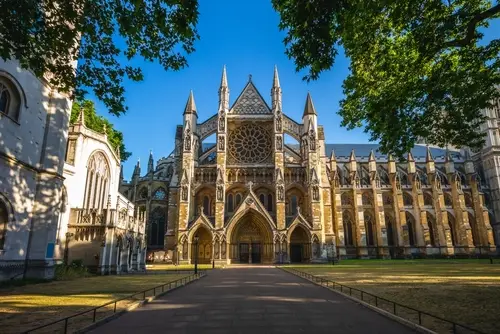
Dublin to London takes about 90 minutes by air, on one of the busiest short-haul routes in Europe. Ferries from Dublin and Rosslare also carry cars, which suits travellers combining both countries by road.
Scotland
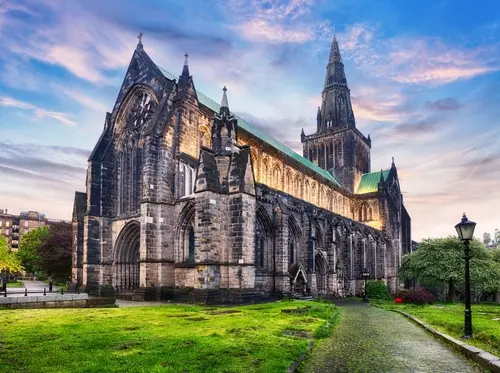
Scotland shares much of Ireland’s Celtic history and a similar mix of coast, castles and whisky. Flights from Dublin and Belfast to Glasgow and Edinburgh take under an hour.
Wales
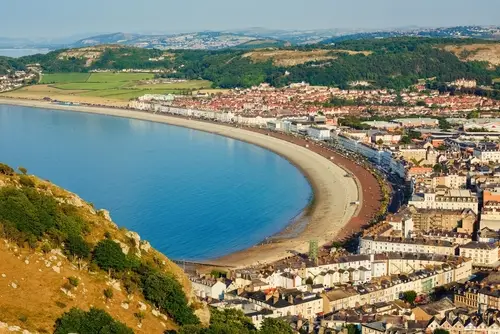
Ferries from Dublin and Rosslare reach Holyhead and Pembroke in a few hours and land you close to Snowdonia, the Welsh castles and the Pembrokeshire coast path.
Iceland
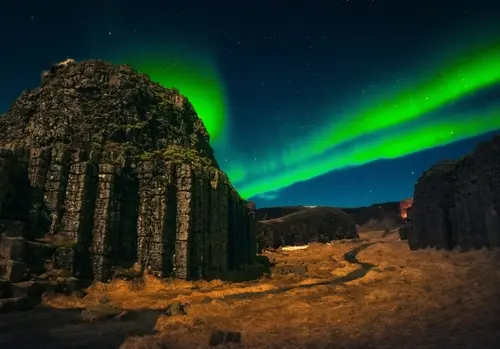
Iceland sits about two and a half hours from Dublin, which makes waterfalls, glaciers and volcanic coastline an easy stopover on North Atlantic routes.