We are processing your request.
Please, don’t close or refresh the page.
Tourism Tickets Austria Vienna

Things to Do in Vienna: Imperial Palaces & Coffee Houses

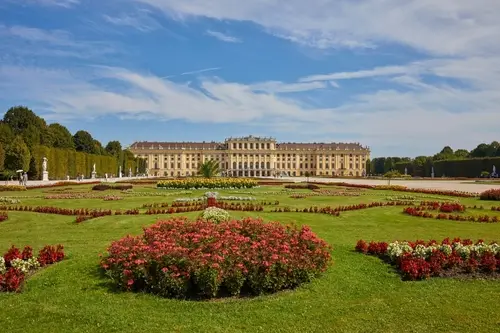
Schönbrunn, the Hofburg and St. Stephen's Cathedral sit a few U-Bahn stops apart, so the best things to do in Vienna fit into a short trip.
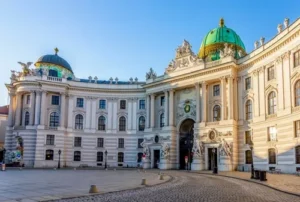
Book tickets in Vienna
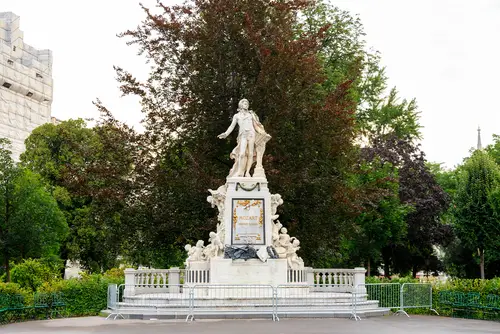
Mozarthaus Tickets

Vienna Tickets

Our ticket site for Vienna, with entry tickets, opening hours and visitor information for the main sights.

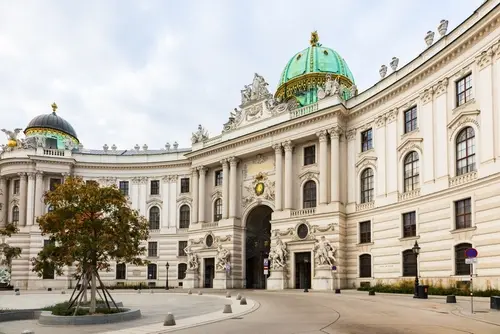
  • Hofburg Palace
  • Leopold Museum
  • Mozarthaus

How to Get to Vienna City

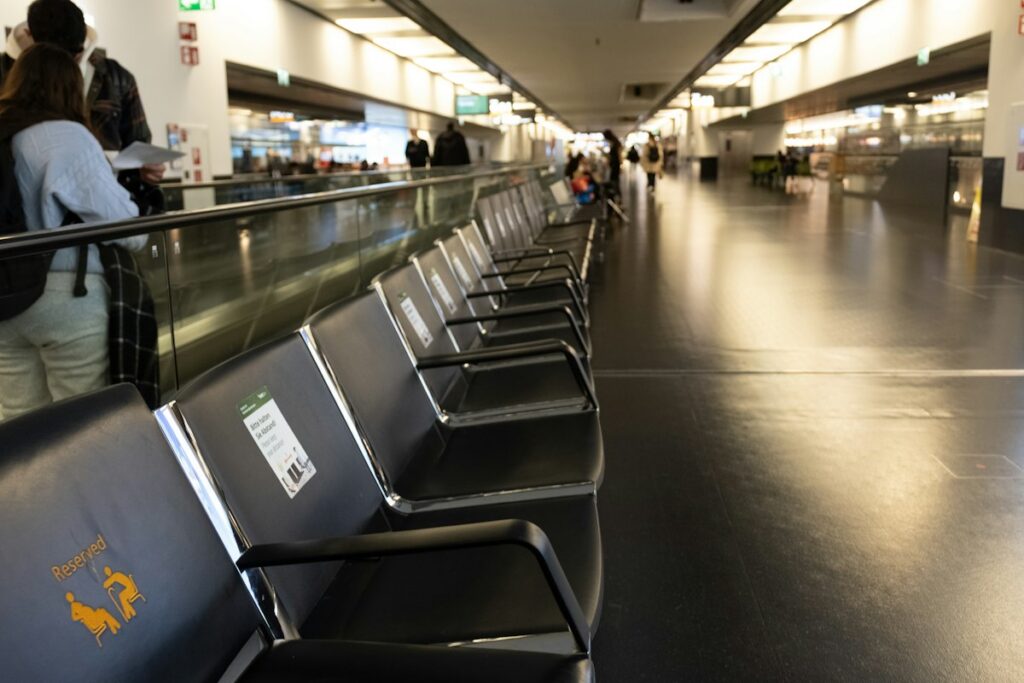
A row of empty seats in an airport

Vienna International Airport (VIE), Schwechat

  • City Airport Train (CAT) Nonstop to Wien Mitte in 16 minutes, every 30 minutes from early morning until just after 23:00.
  • ÖBB S7 & Railjet The S7 reaches Wien Mitte and Praterstern in about 23 minutes; Railjet runs nonstop to Wien Hauptbahnhof in roughly 15 minutes, twice an hour. From 7 September 2026 the S7 and REX7 stop short at St. Marx during modernisation work, with trams 18 and 71 or bus 74A finishing the trip.
  • Vienna Airport Lines Bus Coaches to Morzinplatz, Wien Hauptbahnhof and Donauzentrum, taking 20 to 45 minutes depending on the route and traffic.
  • Taxi & Rideshare Metered fares to the 1st to 9th districts usually land between €36 and €45 for up to four passengers; Uber and Bolt also operate at the airport.

FAQs About Visiting Vienna City

What are the best things to do in Vienna for first-time visitors?

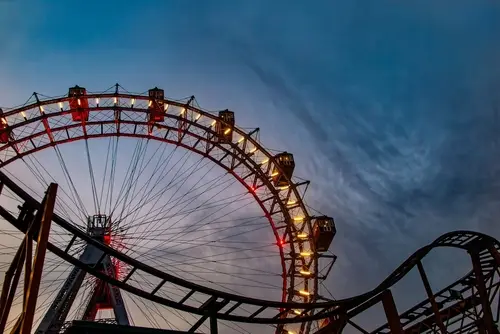
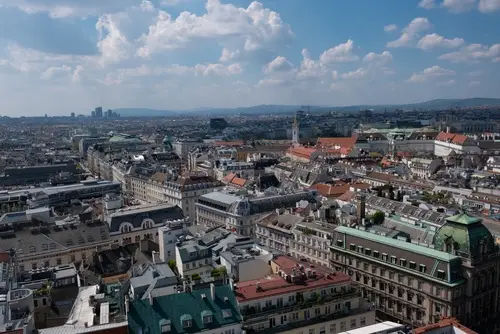
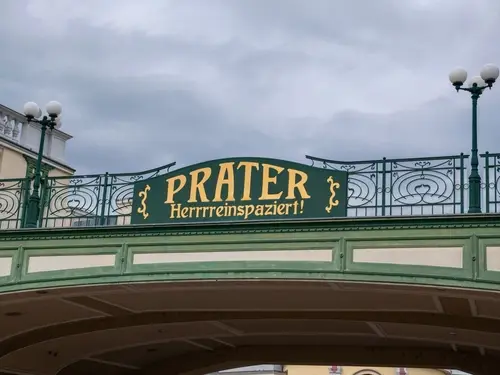
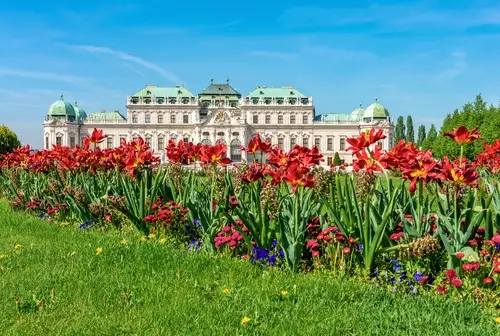
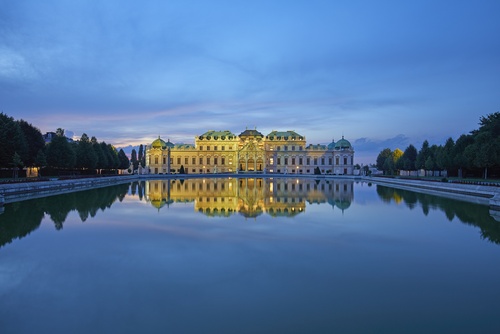
Start with Schönbrunn Palace, the Hofburg and St. Stephen's Cathedral, then add the Belvedere for Klimt's The Kiss and the Giant Ferris Wheel in the Prater for the view over the rooftops. Most visitors also fit in a coffee house, a Wiener Schnitzel lunch at a Beisl and an hour at the Naschmarkt. All of it sits within about 30 minutes of the centre on the U-Bahn.

What is there to see in Vienna in one day?

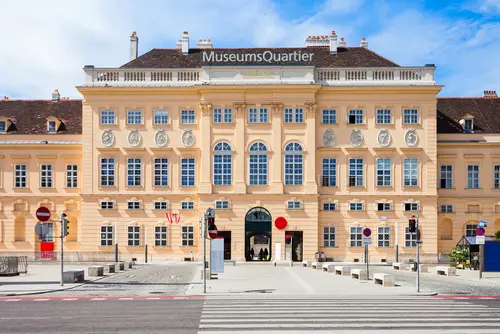
One day works if you stay inside the Ringstrasse. Walk from St. Stephen's Cathedral along Graben and Kohlmarkt to the Hofburg, cut through the MuseumsQuartier and finish at the Staatsoper. If you would rather see one palace properly, take the U4 out to Schönbrunn in the morning and keep the afternoon for the old city.

How many days do you need to visit Vienna?

Three days covers the palaces, two or three museums and enough time to eat properly. Four or five makes room for the Prater, the outer districts and a day trip to the Wachau Valley or Bratislava. Vienna rewards a slower pace than most European capitals, largely because so much of it happens sitting down.

What is the best time to visit Vienna?

Late April to June and September to October have the mildest weather, roughly 15 to 25°C, plus the full concert and opera season. July and August are hot at around 26 to 27°C and the most expensive. Christmas markets run from late November to 26 December, and ball season fills January and February with more than 450 events.

Is Vienna easy to get around without a car?

Yes. Five U-Bahn lines, a large tram network and night buses cover the city, and a 24-hour Wiener Linien ticket costs €10.20. The 48 and 72-hour tickets were discontinued in January 2026, so for longer stays compare a 7-day ticket at €28.90 against the Vienna City Card. The Innere Stadt is walkable end to end, and driving is the harder option given the citywide short-stay parking zone.

What are the best day trips from Vienna?

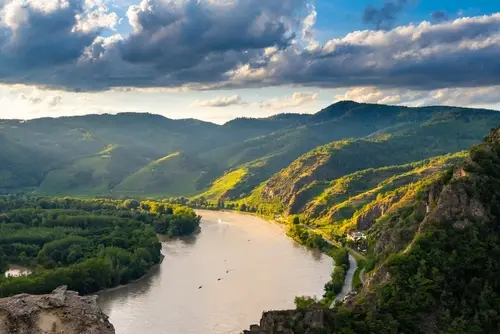
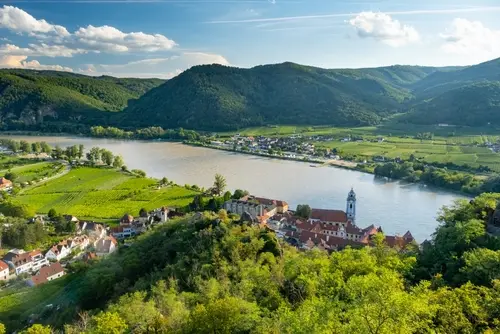
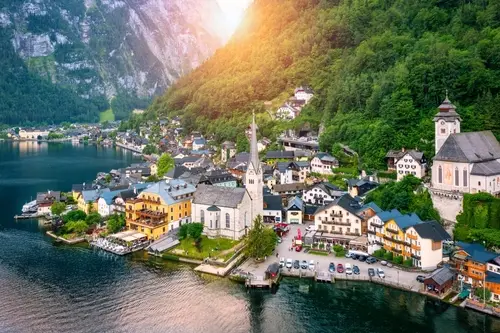
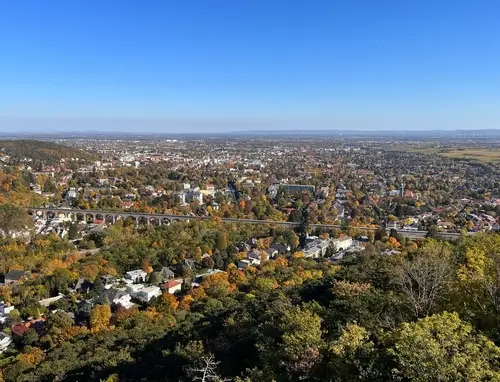
Bratislava is the easiest at about an hour by train. Melk and the Wachau Valley take around 90 minutes and pair well with a Danube boat to Krems. Salzburg is two and a half hours each way on the Railjet, and Hallstatt closer to 3 hours 15. For something shorter, Baden bei Wien and the Vienna Woods are under an hour away.

Which neighbourhoods are best to stay in Vienna?

The Innere Stadt puts you next to St. Stephen's Cathedral and the Hofburg at the highest prices in the city. Leopoldstadt is one U1 stop away, cheaper, and next to the Prater. Neubau and Mariahilf suit anyone who wants coffee houses, small shops and Mariahilfer Strasse on the doorstep, while Landstraße and Wieden are quieter and close to the Belvedere and the Naschmarkt.