Best Places to Visit in Austria: Vienna, Salzburg & the Alps
The best places to visit in Austria run from Habsburg palaces in Vienna to the ski resorts of Tyrol, the lake villages of the Salzkammergut and the vineyards of the Wachau valley.
Vibe
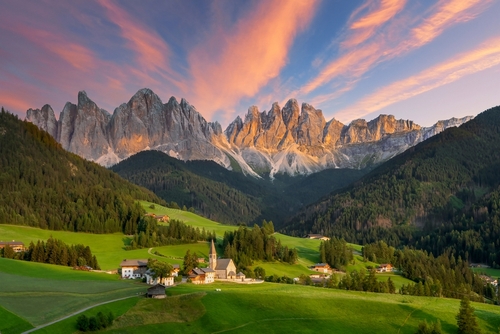
Austria runs at two speeds. The cities keep the formality of the Habsburg era, with opera houses, coffee houses and palace gardens. An hour outside them the Austrian Alps take over and the pace changes to cable cars, ski lifts and mountain huts.
Highlights
Vienna, Salzburg, Innsbruck and Graz cover the imperial and cultural side. Tyrol, the Salzkammergut lakes and the Wachau valley cover the rest, and ten UNESCO World Heritage sites are spread between them.
Sweet Spot
May, June and September give you warm days for hiking and city walking without the summer crowds. December through March is ski season across the Austrian Alps, and late November brings the Christmas markets.
The Wallet
Prices sit around the western European average, though ski resorts in Tyrol and Vorarlberg get expensive in February. Trains are good value, and a Klimaticket covers unlimited travel if you are staying a while.
Quick Facts
Currency in Austria
Austria uses the Euro (EUR). Cards work almost everywhere in cities and larger resorts, but plenty of bakeries, market stalls, mountain huts and small cafés still take cash only, so keep some notes on you. Cash machines are signposted as Bankomat.
Language in Austria
German is the official language in Austria, spoken in a local variety with strong regional dialects, particularly in Tyrol, Vorarlberg and Carinthia. Slovene, Croatian and Hungarian have official status in some southern and eastern districts. English is widely spoken in hotels, restaurants and ski resorts.
Visa & Passport in Austria
Austria is in the Schengen Area, so many nationalities can visit for up to 90 days in any 180-day period without a visa, while others need a Schengen visa. Your passport should be valid for at least three months beyond your departure date. ETIAS, the EU’s new travel authorisation, is not in operation yet and has no confirmed start date.
Power Plug Type in Austria
Austria uses Type C and Type F sockets with a standard voltage of 230V and a frequency of 50Hz. Phones, laptops and camera chargers are usually dual voltage and need only a plug adapter. Tap water is safe to drink everywhere and often comes straight from Alpine springs.
Best Vacation Spots in Austria
Vienna
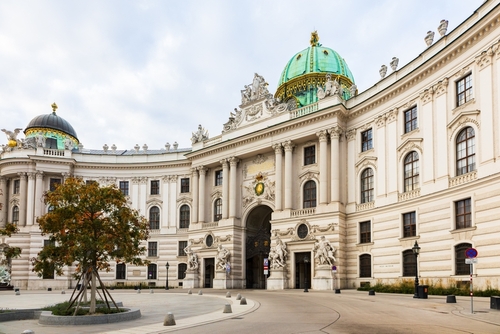
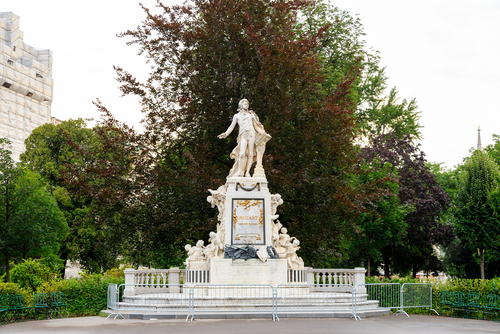
The Habsburg capital, and the reason most people book Austria in the first place. Schönbrunn, the Hofburg and the Belvedere sit within a few tram stops of each other, and the coffee house habit is UNESCO-listed.
Salzburg
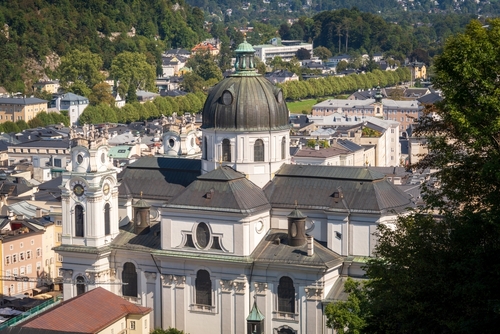
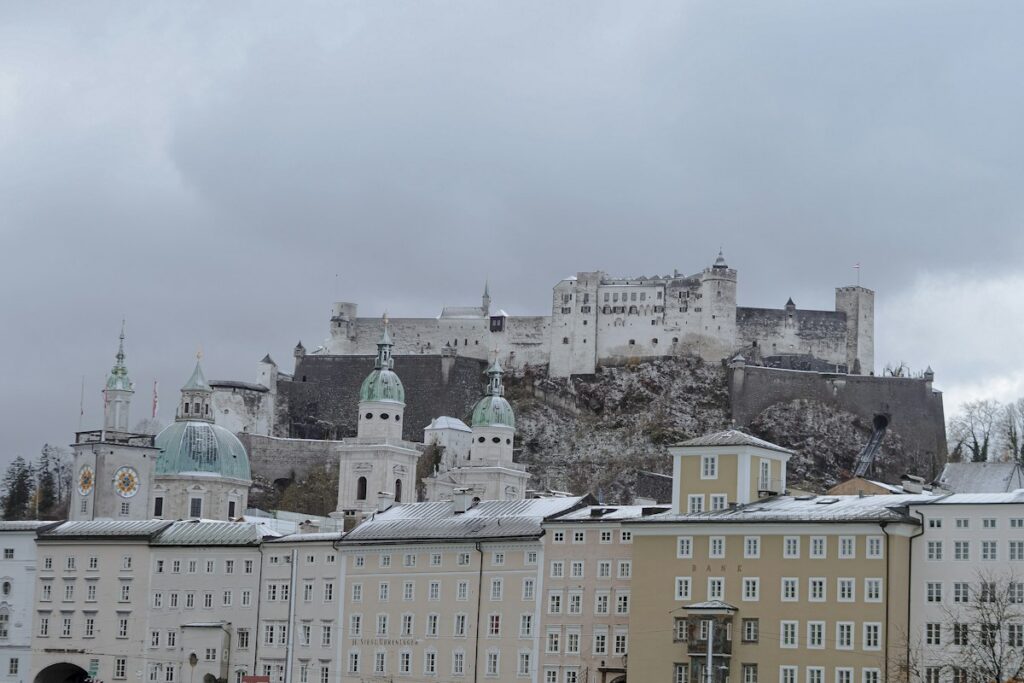
Mozart's birthplace, a baroque old town on the UNESCO list, and a hilltop fortress you reach by funicular. It is also where the Sound of Music was filmed, which still draws a steady stream of visitors.
Innsbruck
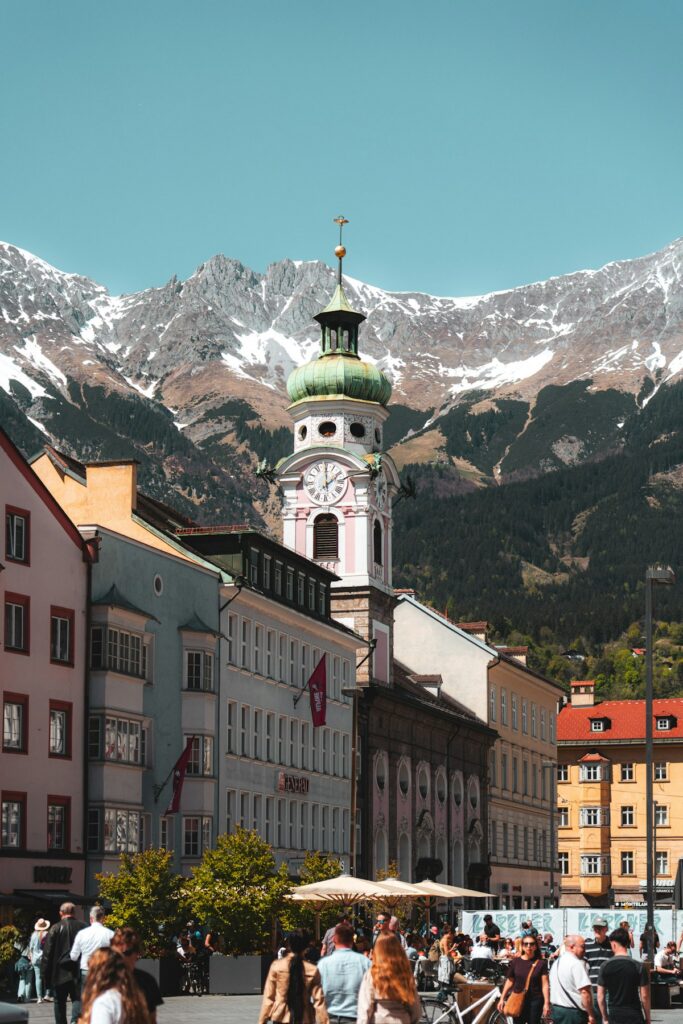
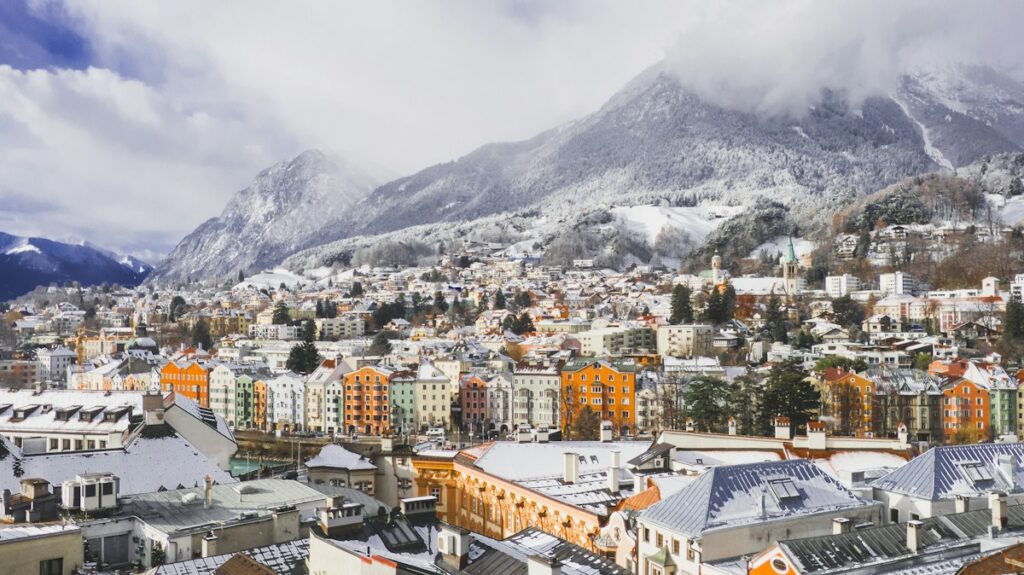
The capital of Tyrol, hemmed in by mountains on both sides. A cable car from the centre puts you above 2,000 metres in around 20 minutes, which makes it the easiest base in Austria for pairing a city break with the Alps.
Graz
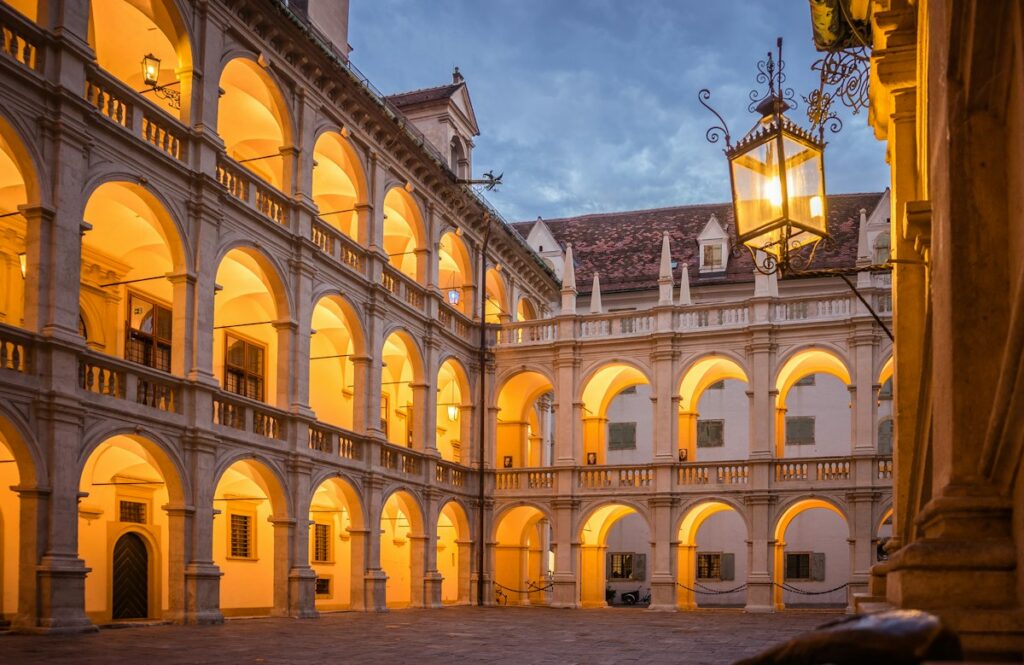
Styria's capital and Austria's second-largest city. The old town and Schloss Eggenberg are both UNESCO-listed, and the food is the best in the country outside Vienna thanks to Styrian pumpkin seed oil and the wine roads to the south.
Hallstatt
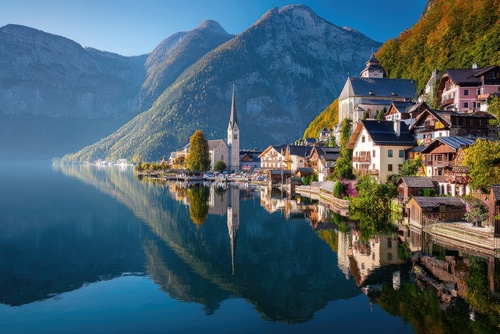
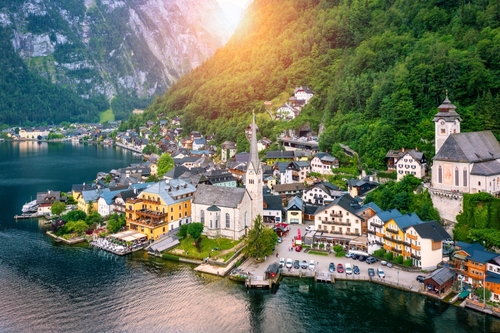
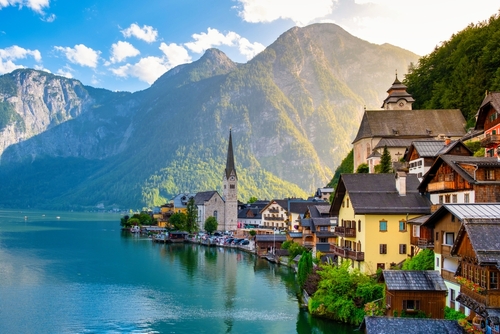
A lake village under the Dachstein, with a salt mine that has been worked since prehistoric times. It gets very busy during daylight hours, so stay overnight or arrive early if you want it quiet.
Linz
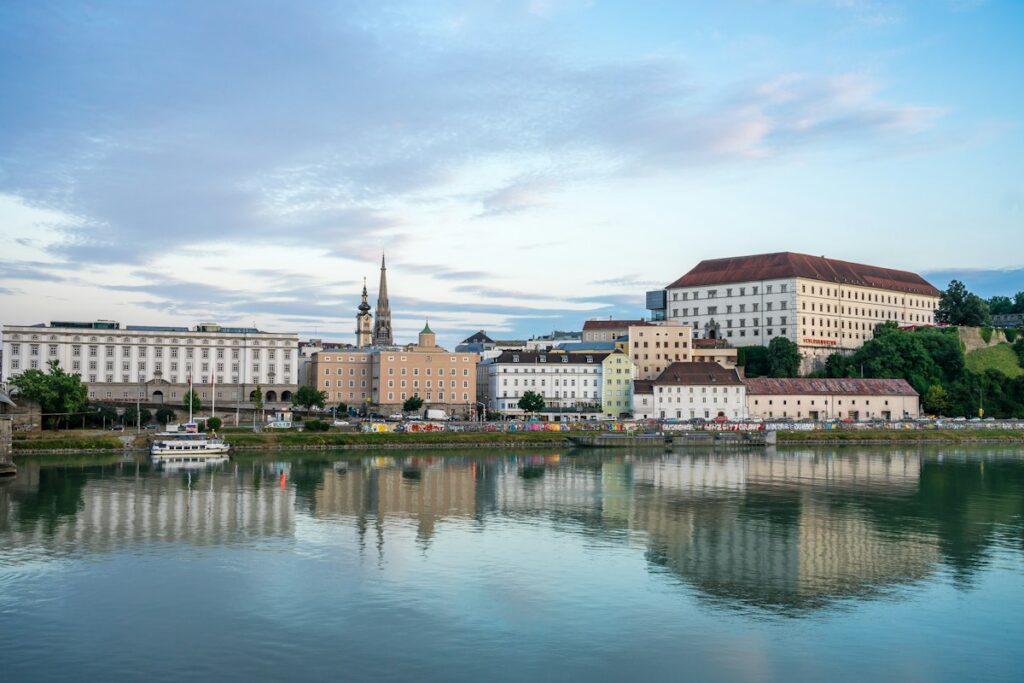
Upper Austria's capital, on the Danube and often skipped. Worth a stop for the Ars Electronica Center, the Lentos art museum and the old tram up the Pöstlingberg.
Austria Attractions to Put on Your List
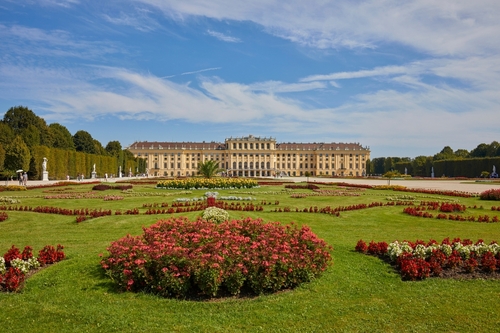
Schönbrunn Palace
The Habsburgs’ summer residence, with 40 state rooms, formal gardens climbing to the Gloriette and the world’s oldest zoo in its grounds.
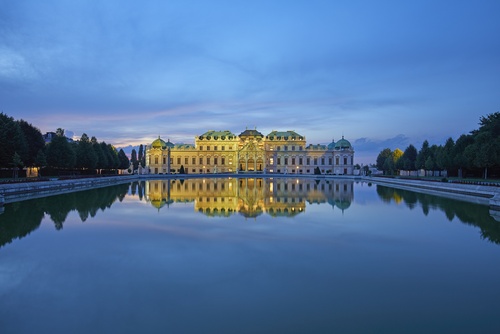
Belvedere
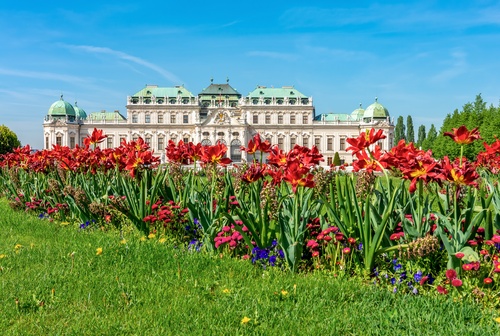
Two baroque palaces facing each other across terraced gardens, home to Klimt’s The Kiss and the largest collection of Austrian art.
Hofburg & Sisi Museum
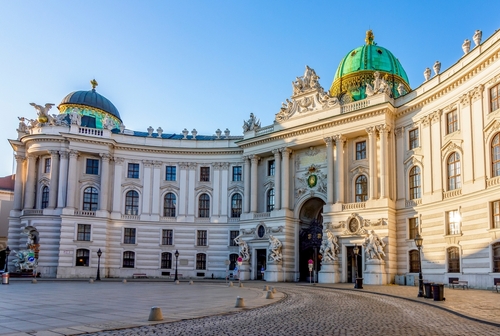
Vienna’s imperial palace complex: the Imperial Apartments, the Silver Collection and a museum dedicated to Empress Elisabeth.
St. Stephen’s Cathedral
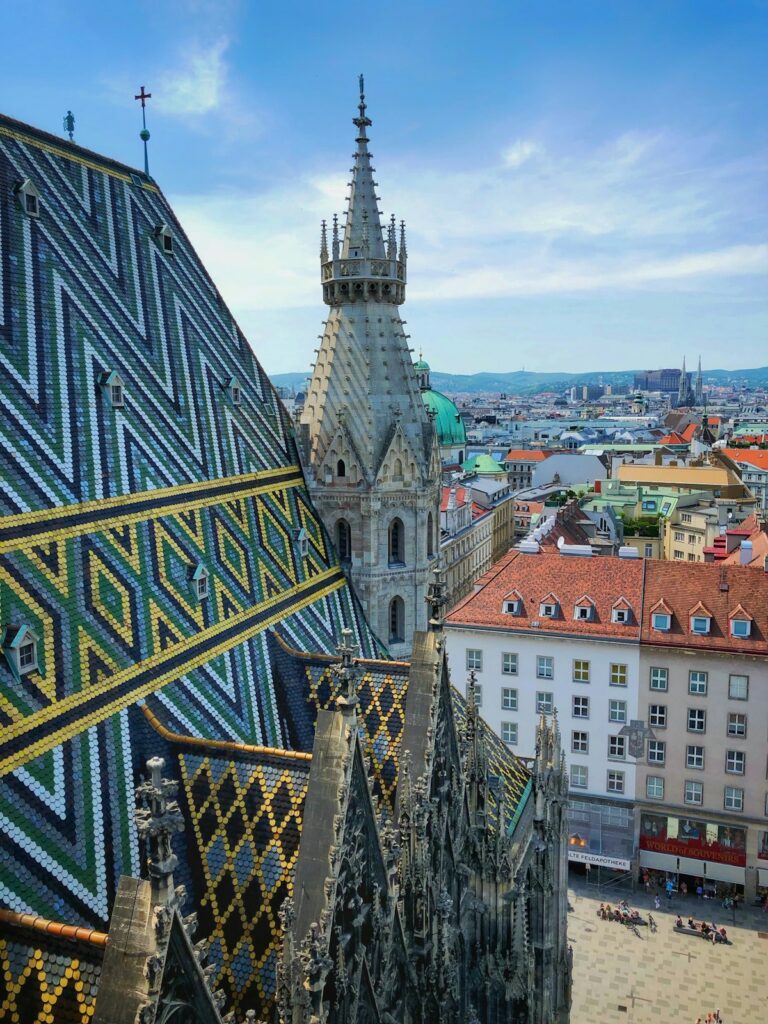
The Gothic heart of Vienna, with a patterned tile roof, catacombs and a 343-step climb up the South Tower.
Hundertwasser House & Museum
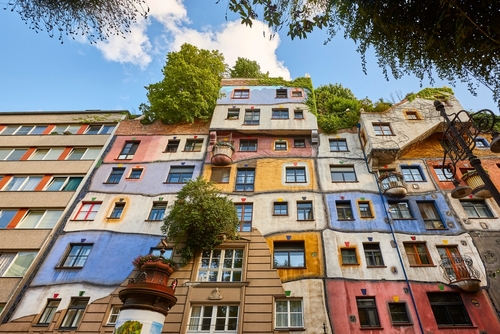
Friedensreich Hundertwasser’s colourful, curving architecture, with his work on show at the nearby Kunst Haus Wien.
Hohensalzburg Fortress
One of Europe’s largest medieval castles, reached by funicular above Salzburg’s old town, with views over the Alps.
Planning Your Austria Trip: Travel Tips & Essentials
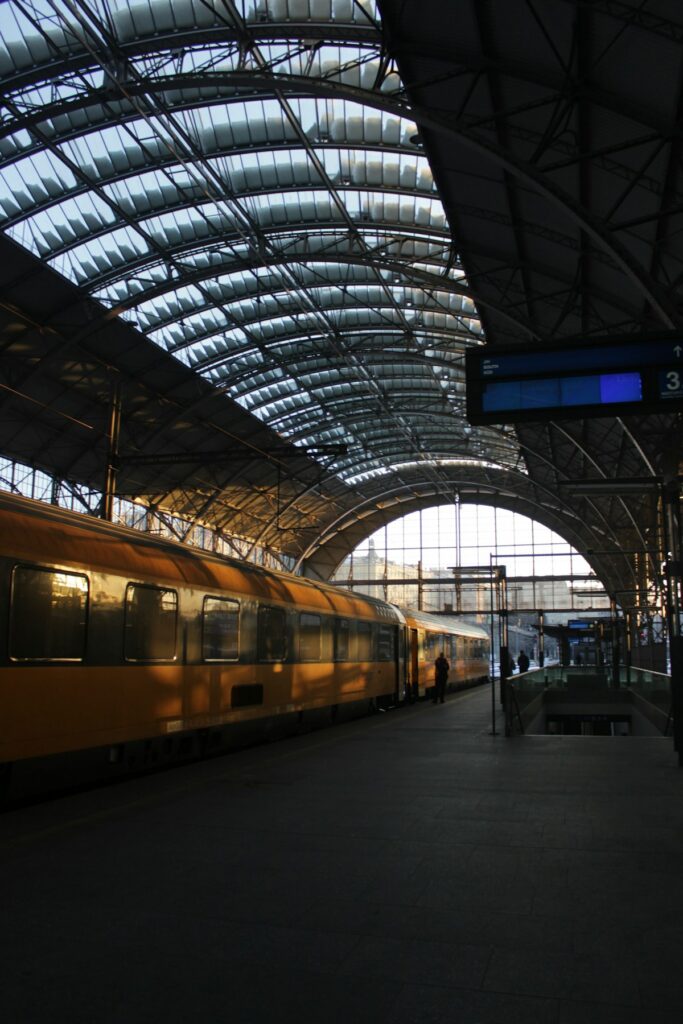
Getting Around
ÖBB runs the trains and they are fast and frequent. A Railjet gets you from Vienna to Salzburg in about 2h25 and carries on to Innsbruck. Cities have trams and U-Bahn or S-Bahn networks that make a car unnecessary. Hire one for the Salzkammergut lakes or the Alpine passes, and remember that motorways need a vignette, which costs €12.80 for ten days in 2026.
Best Times to Visit
The best time to visit Austria depends on what you are after. May, June and September bring warm weather in Austria for hiking and city walking with thinner crowds. Ski season runs from December to March, and into April at the higher resorts. Late November and December are Christmas market season, which is busy and pricier.
Budget Planning
Vienna and the big Tyrol ski resorts are the expensive parts of the country. Graz, Linz and the smaller lake towns cost noticeably less, and a set lunch menu at a Gasthaus is one of the better-value meals in Europe. February school holidays are the worst weeks to book Alpine accommodation on price.
Trip Ideas
There are enough things to do in Austria for several trips. The usual shapes are the imperial cities by rail, a ski week in Tyrol, a lakes loop through the Salzkammergut, or a wine and abbey run along the Wachau valley by boat and bike.
Things to Do in Austria
Imperial Palaces & Habsburg Landmarks
Schönbrunn, the Hofburg, the Belvedere and the Sisi Museum cover roughly 600 years of Habsburg rule. Most sell timed-entry tickets, and Schönbrunn in particular sells out its morning slots through the summer.
Skiing in the Austrian Alps
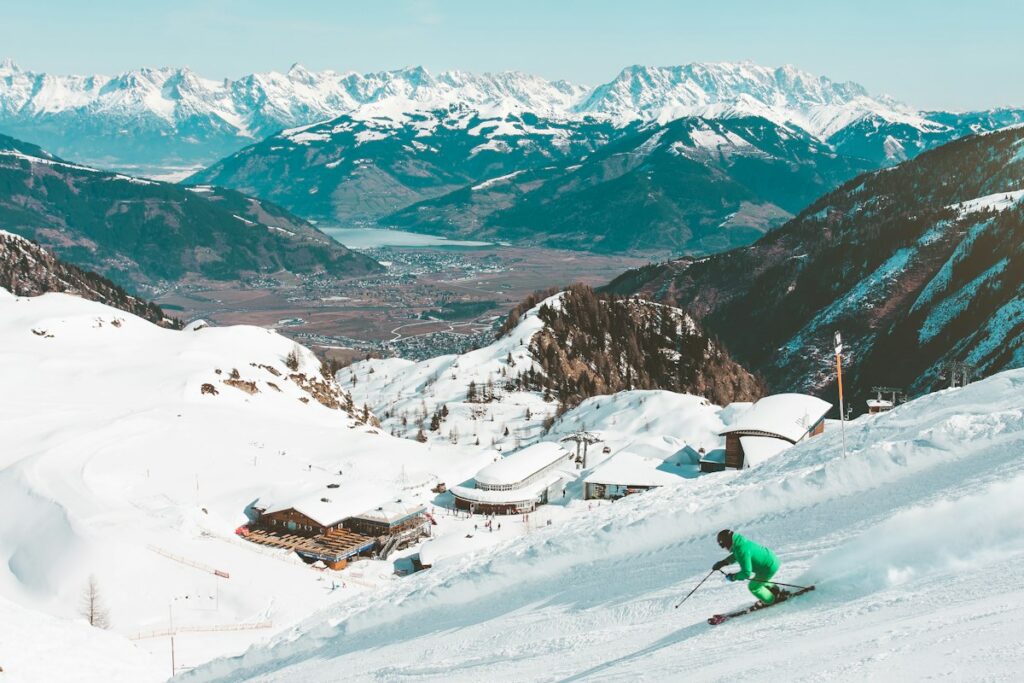
Austria has more ski terrain than any of its neighbours. Kitzbühel, St Anton, Ischgl, Sölden, Lech and Mayrhofen are the names most people know, and lift passes are often valid across several linked valleys. The season runs from December to April.
Classical Music, Opera & Mozart
Vienna's State Opera sells standing tickets on the day for a few euros. Salzburg has Mozart's birthplace and his family apartment, plus the summer Festspiele. Smaller venues in both cities run chamber concerts year round.
Austrian Food, Wine & Coffee Houses
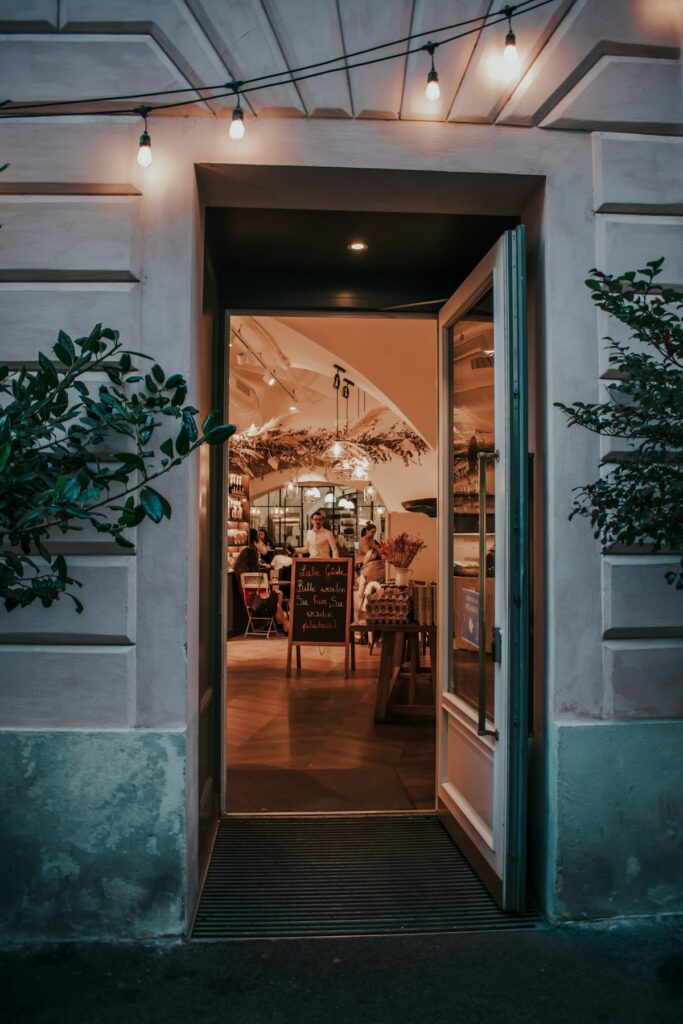
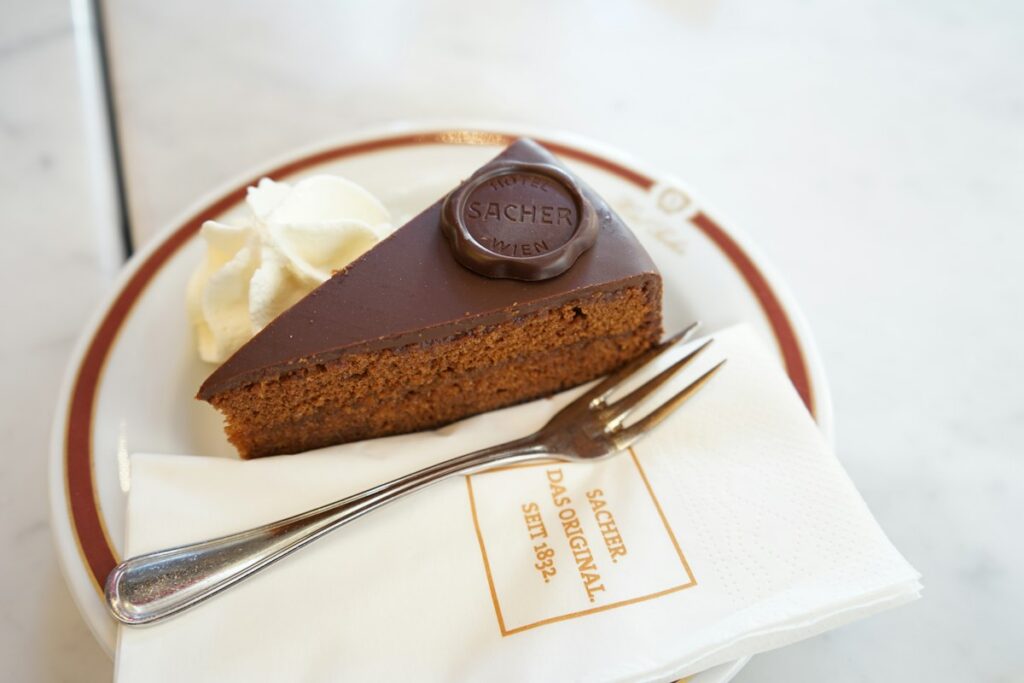
Food in Austria means Wiener Schnitzel made with veal, Tafelspitz, Kaiserschmarrn and a lot of good bread. Viennese coffee house culture sits on the UNESCO intangible heritage list, and Grüner Veltliner from the Wachau is the wine to order.
Hiking, Lakes & Austrian Mountains
In summer the ski infrastructure turns into hiking access. Cable cars stay open, huts serve lunch, and the Salzkammergut lakes are warm enough to swim in by July. Trails are signposted and graded, so Austrian hiking is easy to match to your fitness.
Christmas Markets & Winter Traditions
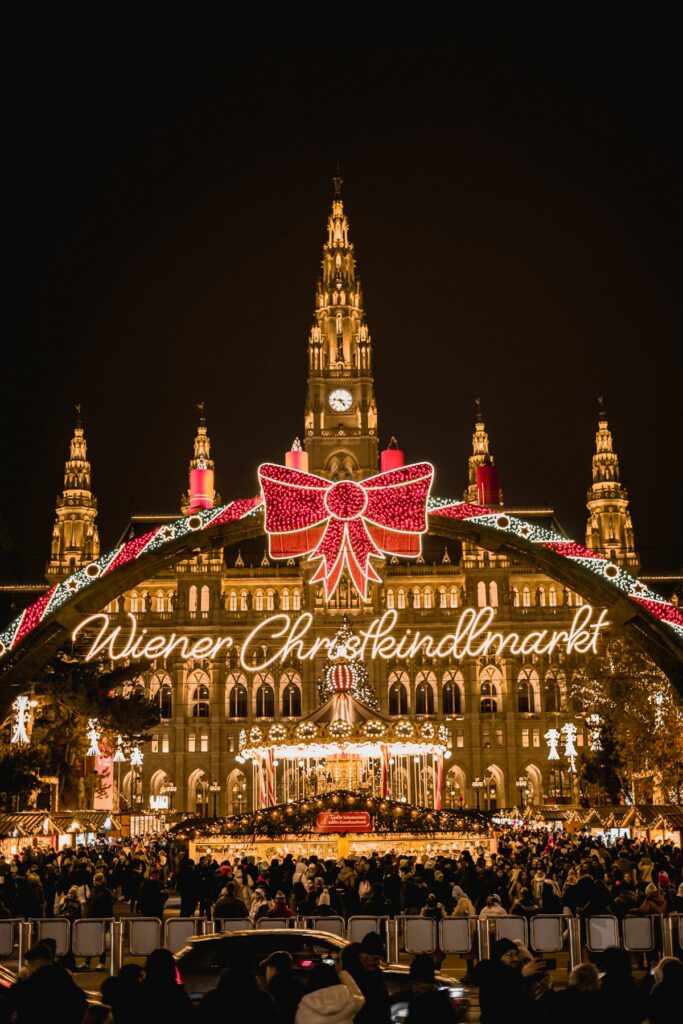
Christmas markets in Austria run from mid-November to Christmas, with the biggest in Vienna, Salzburg, Innsbruck and Graz. January and February bring the Viennese ball season, when the palaces and grand halls open for formal dances.
Austria Itineraries That Match Popular Travel Styles
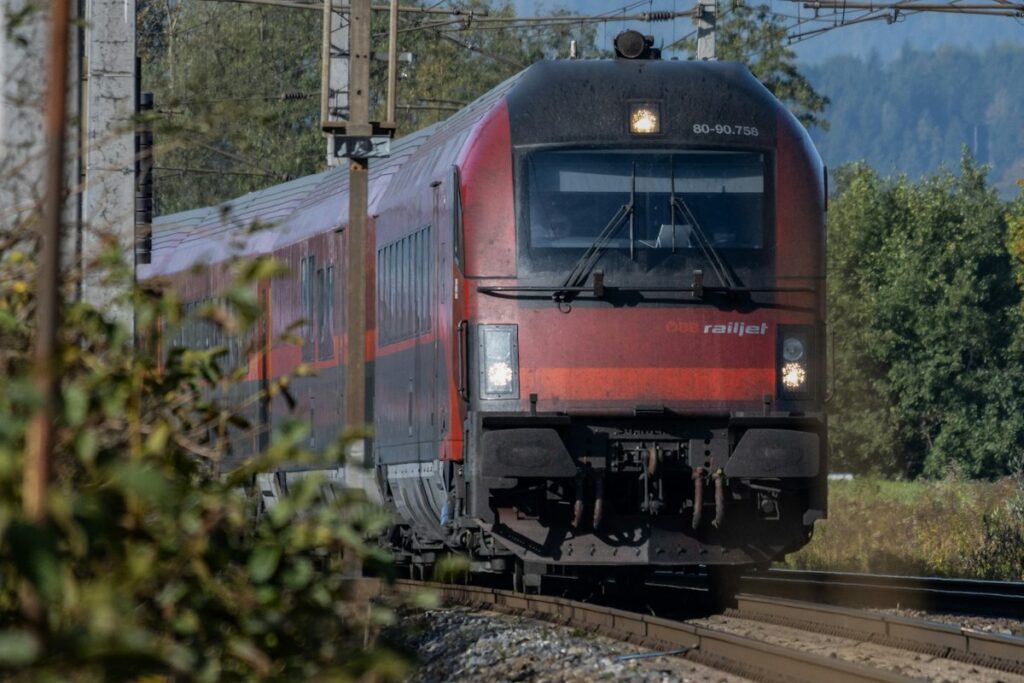
Imperial Cities by Rail - We recommend: Vienna + Salzburg + Innsbruck
-
The standard first trip to Austria, and the one the train network is built for. Vienna to Salzburg takes 2h25, Salzburg to Innsbruck under two hours.
-
It works in any season: palaces and museums in Vienna, a baroque old town in Salzburg, and mountains within reach of the centre in Innsbruck.
-
Seven days is comfortable. Ten lets you add Graz or a day in the Wachau valley without changing hotel every night.
Tyrol Ski Week - We recommend: Innsbruck + Kitzbühel + St Anton
-
Austria ski destinations at their most concentrated. Innsbruck airport puts you within 90 minutes of all three.
-
Kitzbühel suits mixed-ability groups, St Anton suits confident skiers and late nights, and Innsbruck works if part of the party would rather sightsee than ski.
-
Book February dates early. That is when European school holidays land and prices in Tyrol roughly double.
Salzkammergut Lakes Loop - We recommend: Salzburg + Hallstatt + Bad Ischl
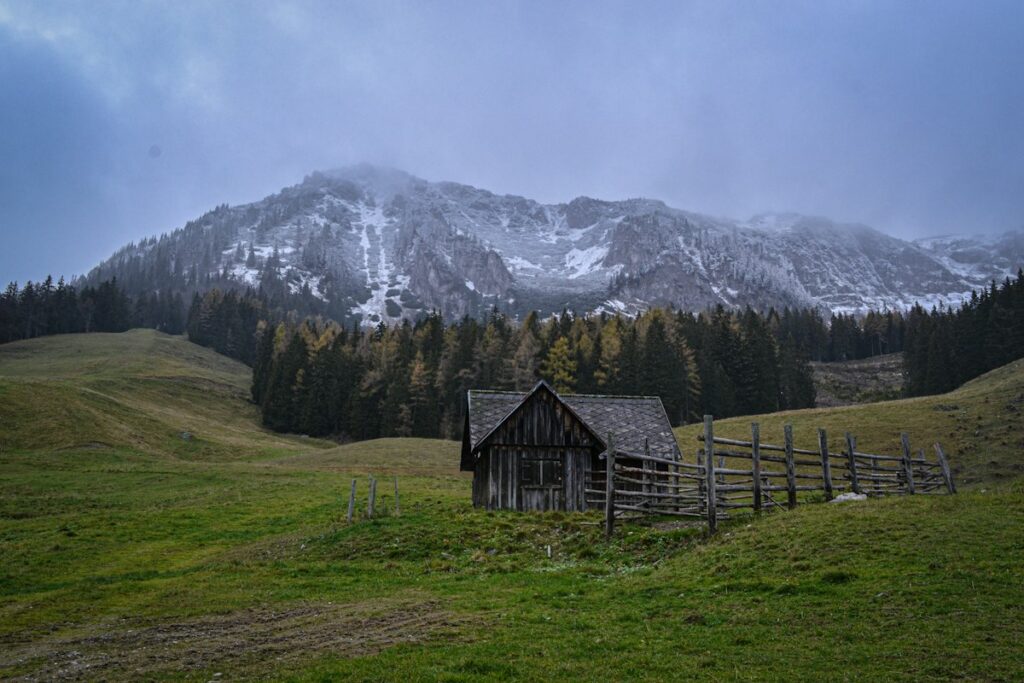
-
A hire car or the regional trains and buses will both do the job. The whole loop fits into three or four days out of Salzburg.
-
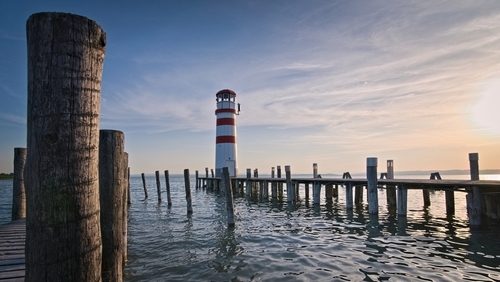
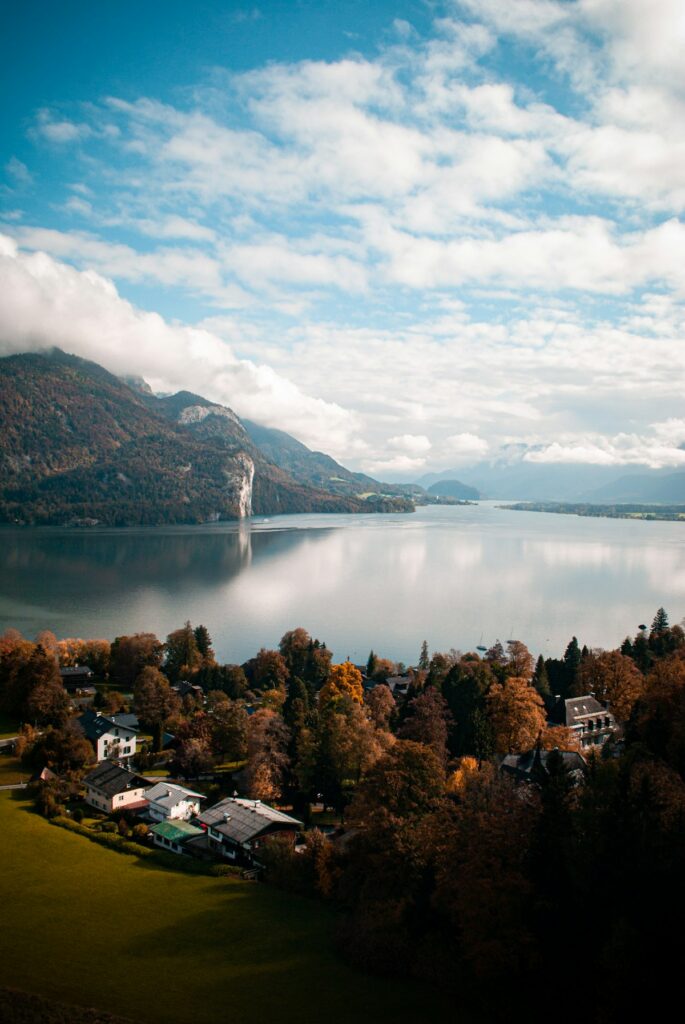
Hallstatt, the Wolfgangsee and the Dachstein ice caves are the set pieces, with salt mines and lake swimming in between.
-
Best from June to September. Several of the boats and mountain lifts stop running out of season.
Wachau Valley Wine Route - We recommend: Vienna + Krems + Melk
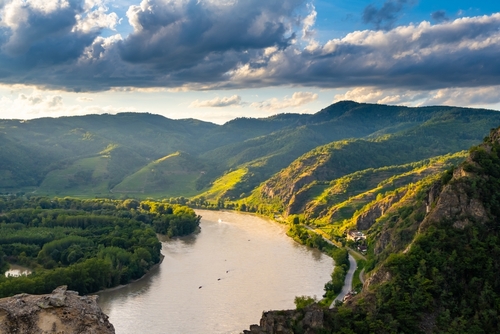
-
The UNESCO-listed Wachau valley stretch of the Danube, covered by boat, by bike or a mix of the two.
-
Melk Abbey and Göttweig are the big buildings. Between them sit terraced vineyards, apricot orchards and Heuriger taverns pouring Grüner Veltliner and Riesling.
-
Two days is enough as a side trip from Vienna. Krems is about an hour from the city by train.
Christmas Markets Tour - We recommend: Vienna + Salzburg + Graz
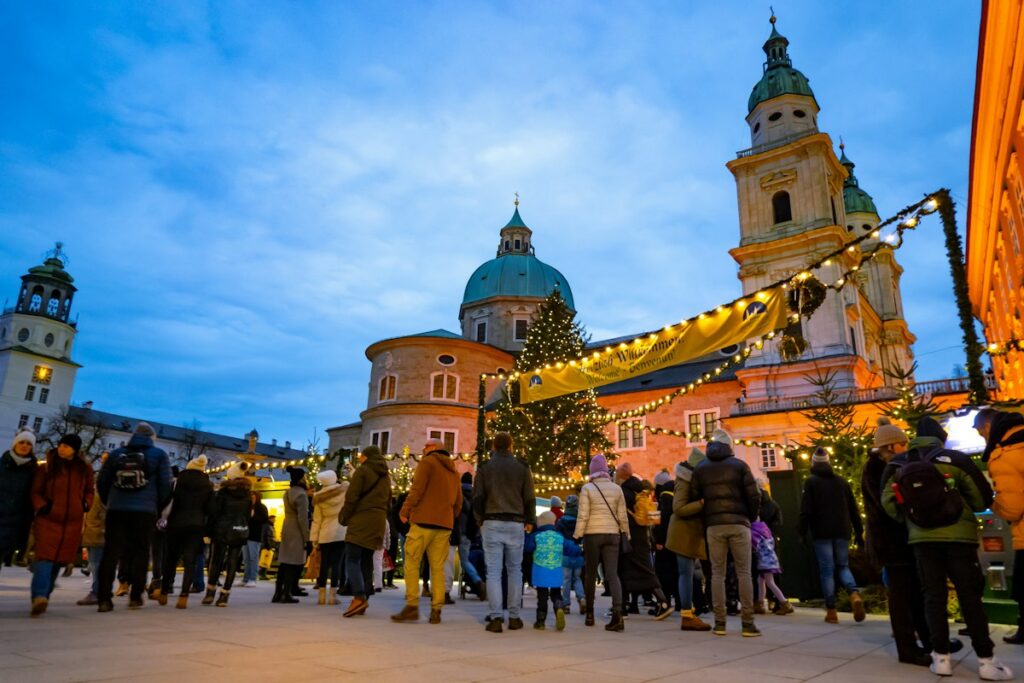
-
Runs from late November to Christmas, when the old town squares in all three cities fill with market stalls.
-
Vienna alone has a dozen markets with different characters, from the big one at the Rathaus to the quieter ones at Spittelberg and Karlsplatz.
-
Trains are frequent and the cities are close together, so four or five days covers all three without much time in transit.
Alpine Summer & Mountain Huts - We recommend: Innsbruck + Mayrhofen + Seefeld
-
Hiking in the Zillertal and around the Karwendel, using cable cars to skip the climbing and huts for lunch or an overnight stop.
-
Trails are graded and waymarked, and most valleys hand out a guest card that includes local buses and lift discounts.
-
Late June to mid-September is the window. Huts fill up at weekends, so reserve if you plan to sleep in one.
Nearby Destinations
Germany
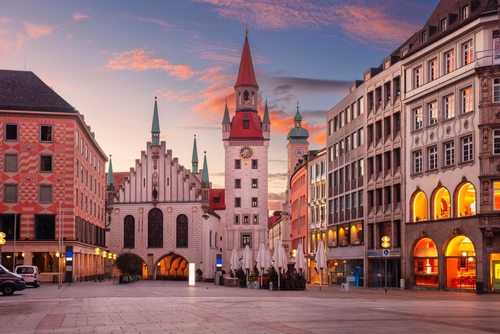
Munich is under two hours by train from Salzburg, which makes Bavaria the easiest add-on to an Austria trip. Neuschwanstein and Berchtesgaden both sit close to the border.
Czech Republic
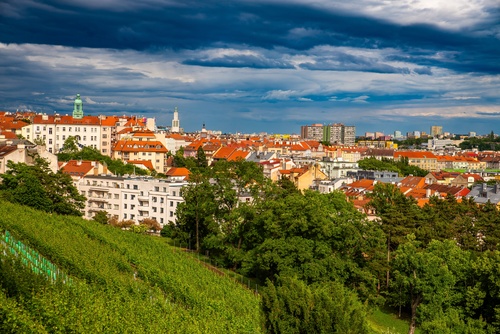
Prague is four hours from Vienna on a direct train and Brno is under ninety minutes. A common route pairs Vienna with Prague and Budapest for a Central Europe loop.
Hungary
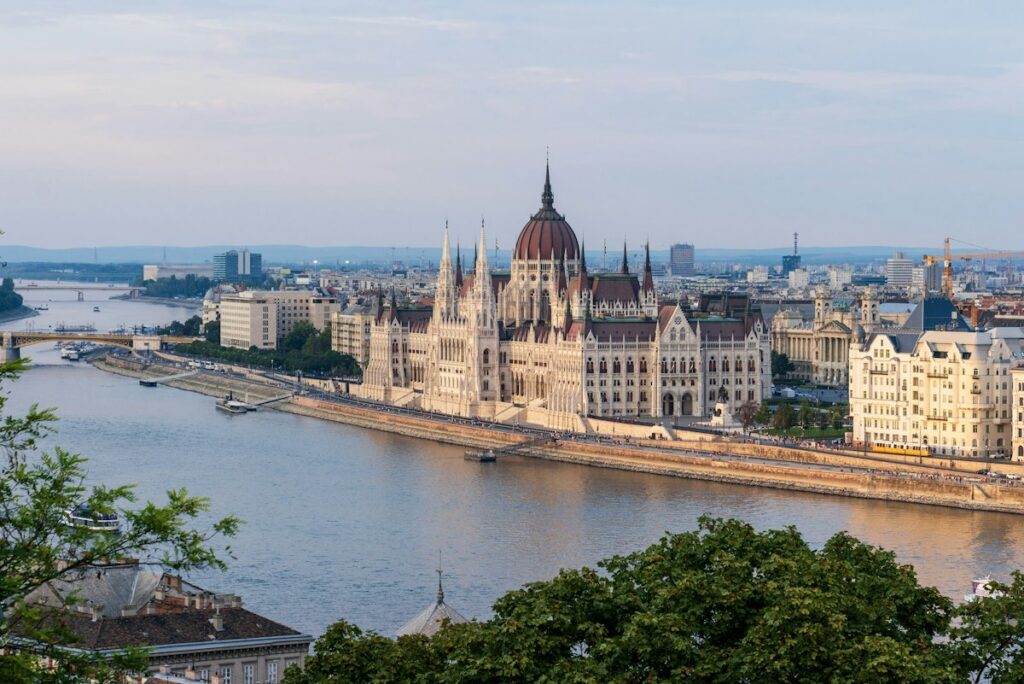
Budapest is two and a half hours from Vienna by Railjet, with several departures a day. Thermal baths, Danube views and lower prices than Austria make it a popular extension.
Switzerland
Railjet services run from Vienna and Innsbruck through to Zurich. If you want more mountains and more scenic railways after Tyrol, this is the direction to keep going.