Best Places to Visit in Germany: Castles, Cities & Christmas Markets
There are things to do in Germany for every kind of trip: Bavarian castles and alpine lakes, Berlin museums and basement clubs, December Christmas markets and Black Forest trails in summer.
Vibe
Order and spontaneity sit side by side here. Trains run to the minute, beer gardens fill up at lunchtime, Berlin clubs run until Monday, and Bavarian villages still keep time by church bells.
Highlights
Berlin, Munich, Hamburg, Cologne and Dresden cover the cities. Bavaria, the Black Forest and the Rhine Valley cover the rest: hilltop castles, alpine lakes, vineyards and forest trails.
Sweet Spot
May, June and September give you warm days without the August crowds. Late November and December belong to the Christmas markets. Ski season in the Bavarian Alps runs December to March.
The Wallet
Germany costs less than Switzerland or Scandinavia. Museum entry usually lands under €20, the Deutschland-Ticket covers a month of regional transport for €63, and beer halls undercut restaurants.
Quick Facts
Currency in Germany
The Euro (EUR) replaced the Deutsche Mark in 2002 and is the only currency in Germany today. Cards work in most shops and restaurants, but Germany runs on cash more than its neighbours do, so keep €30 to €50 on you for bakeries, markets, Christmas market stalls and small-town cafés.
Language in Germany
German is the official language. English is widely spoken in Berlin, Hamburg and Munich and by most people under 40, less so in rural Saxony and Bavaria. A few German language basics carry you a long way: guten Tag (hello), danke (thank you), gute Nacht (good night) and Entschuldigung (excuse me).
Visa & Passport in Germany
Germany is part of the Schengen Area. Travellers from the US, Canada, Australia and around 60 other countries enter visa-free for stays up to 90 days, though ETIAS authorisation (€7, valid three years) is due to become mandatory in late 2026. Your passport should stay valid at least three months past your departure date.
Power Plug Type in Germany
Germany uses Type C and Type F power plugs, with 230V at 50Hz. Travellers from the UK, US, Australia and Japan need an adapter, and US devices may also need a voltage converter.
Best Places to Visit in Germany
Berlin
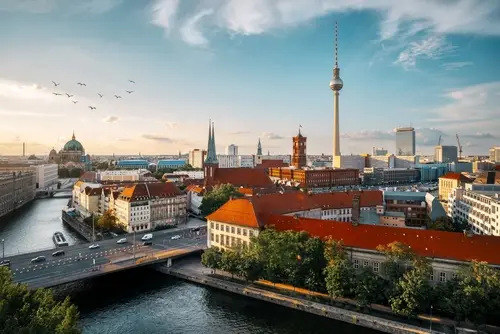
The capital keeps its history in plain sight: the Berlin Wall, the Reichstag dome, the museums of Museum Island. After dark it becomes Europe’s most serious nightlife city, with clubs that run from Saturday night into Monday.
Munich
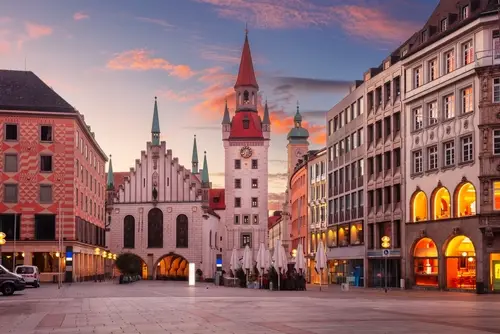
The gateway to Bavaria and home of Oktoberfest, which runs on the Theresienwiese from 19 September to 4 October 2026. Beer halls, the Residenz palace and the English Garden fill the city, and the Bavarian Alps start an hour south.
Hamburg
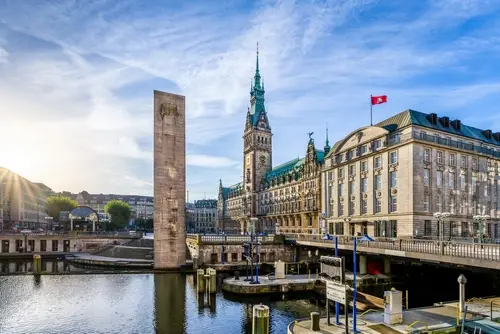
Germany’s port city, built around canals, red-brick warehouses and the Elbphilharmonie concert hall. The Reeperbahn handles the nightlife, and the Baltic and North Sea beaches sit a short train ride north.
Cologne
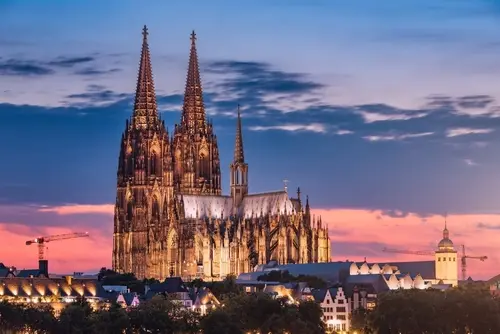
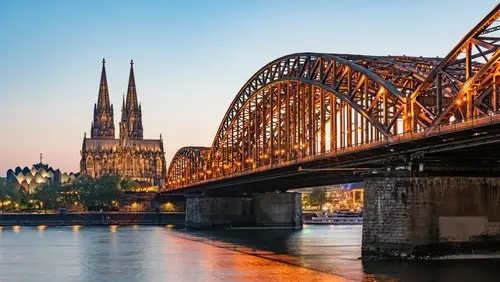
The Gothic cathedral beside the station is the most visited landmark in Germany. Cologne also runs one of the country’s largest Christmas markets and a February Carnival that shuts the whole city down.
Dresden
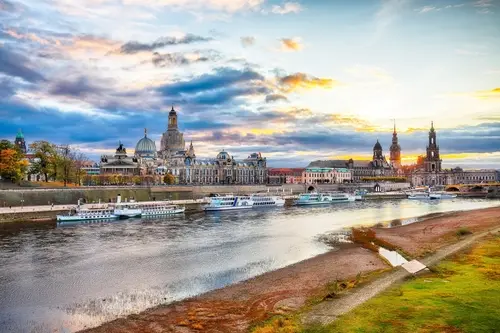
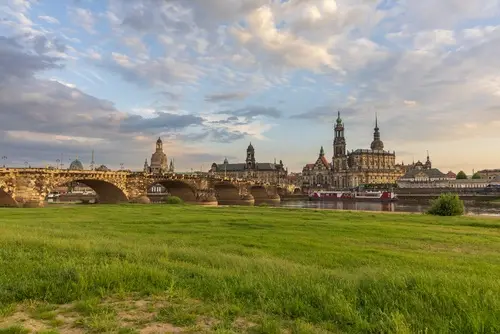
Baroque palaces rebuilt along the Elbe, including the Zwinger and the Frauenkirche. Dresden also works as a base for Saxon Switzerland National Park, where sandstone cliffs and arches sit an hour upriver.
Frankfurt
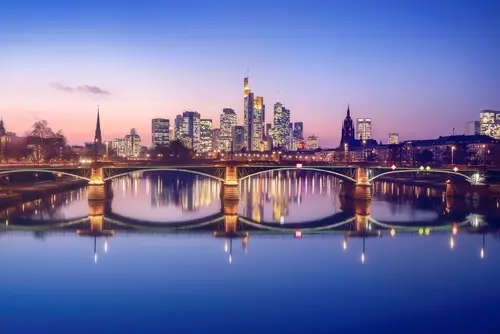
A banking skyline and a half-timbered old town in the same square kilometre. Frankfurt airport is Germany’s main long-haul gateway, and both the Rhine Valley vineyards and Heidelberg are under an hour by train.
Planning Your Germany Adventure: Travel Tips & Essentials
Getting Around
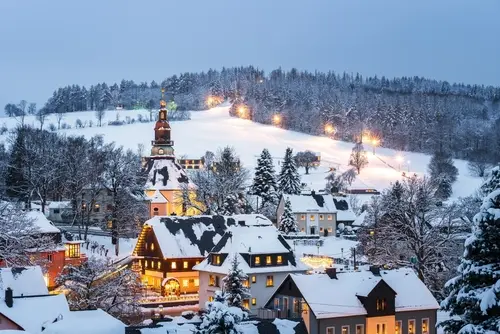
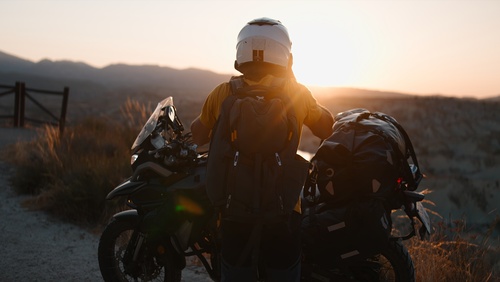
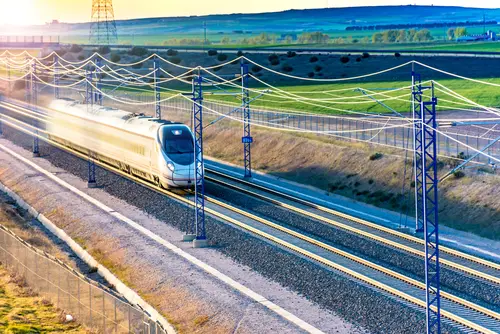
ICE trains link Berlin, Munich, Hamburg, Cologne and Frankfurt at up to 300 km/h, and Berlin to Munich takes under four hours. Cities run integrated day tickets across metro, tram and bus. A rental car earns its keep on the Romantic Road, in the Black Forest and around Bavarian villages like Oberammergau and Berchtesgaden, and long stretches of autobahn in Germany still carry no speed limit.
Best Times to Visit
May, June and September bring long days and temperatures around 20 to 25°C. July and August are the warmest and the busiest. Late November through December is Christmas market season, cold and dark but worth the trip. Weather in Germany splits by region: the Rhineland stays mildest, while Bavaria and the Alps take the most snow.
Budget Planning
Berlin, Leipzig and Dresden cost noticeably less than Munich, Hamburg or Frankfurt. The Deutschland-Ticket covers regional trains, buses and trams nationwide for €63 a month, museum entry usually falls between €8 and €20, and a beer hall meal costs less than the same plate in a restaurant.
Trip Ideas
Pair a couple of cities with one region. Berlin and Dresden with Saxon Switzerland, Munich with Neuschwanstein and the Bavarian Alps, or Frankfurt with the Rhine Valley and the Black Forest. In December any city route doubles as a Christmas market trip.
Things to Do in Germany
Castles, Cathedrals and Landmarks

Germany’s landmarks run from Neuschwanstein on its alpine crag to the twin spires of Cologne Cathedral and the Brandenburg Gate. Bavaria alone holds Linderhof, Herrenchiemsee and the fully walled town of Nördlingen.
German Food, Sausages and Beer
The cuisine in Germany changes every hundred kilometres. Bavaria has weisswurst and pretzels, Nuremberg grills its own small sausages, Berlin claims currywurst and döner. Then there is rye bread, Black Forest gâteau and roughly 1,500 breweries. Food in Germany rewards eating regionally.
Christmas Markets Across Germany
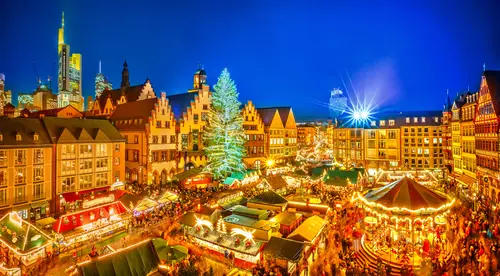
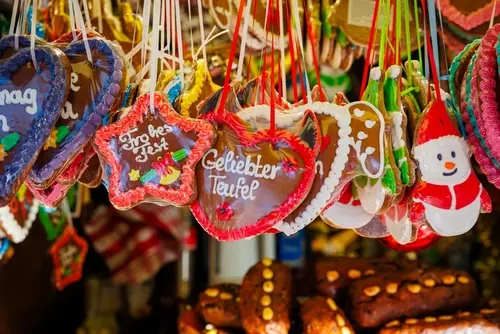
From late November the Christmas markets in Germany take over the city squares: Nuremberg’s Christkindlesmarkt, Dresden’s Striezelmarkt, running since 1434, and Cologne’s market under the cathedral. Glühwein, roasted almonds and wooden stalls come standard.
Bavaria and the Bavarian Alps
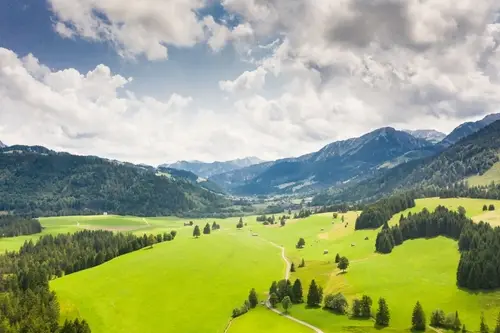
Bayern is the Germany most visitors picture. Munich beer halls, Garmisch-Partenkirchen under the Zugspitze, the turquoise Eibsee, Berchtesgaden and the Königssee, plus old towns like Bamberg, Regensburg, Würzburg and Passau.
Black Forest and Natural Attractions
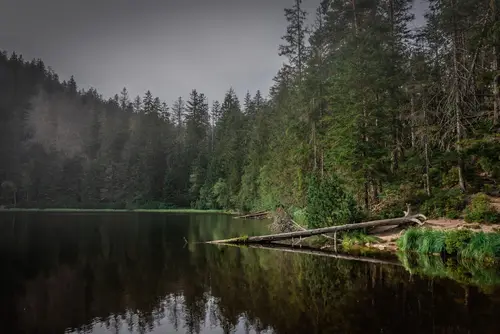
The Schwarzwald in Baden-Württemberg covers 6,000 square kilometres of fir forest, waterfalls, spa towns and cuckoo-clock villages. Saxon Switzerland’s sandstone arches and the Rhine gorge account for much of the rest of Germany’s natural attractions.
Beaches, Museums and City Culture
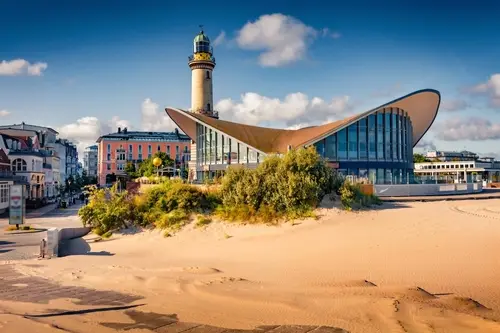
The beaches in Germany sit on the Baltic and North Sea coasts, around Rügen, Sylt and Usedom. For cultural attractions, Berlin’s Museum Island, Dresden’s Zwinger and the Hamburger Kunsthalle carry most of the weight.
Germany Itineraries That Match Popular Travel Styles
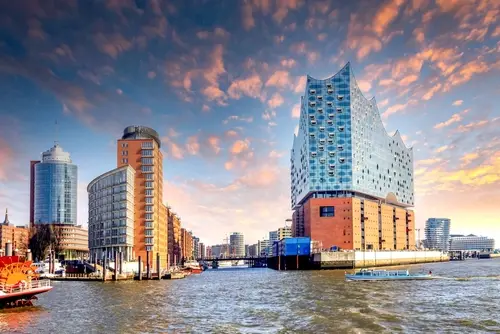
Germany’s Big Three - We recommend: Berlin + Munich + Hamburg
-
Covers the three cities most first-time visitors come for: Berlin for history and nightlife, Munich for beer halls and Bavaria, Hamburg for the harbour and the Elbphilharmonie.
-
ICE trains connect all three, and no leg takes longer than about four hours, so the route works comfortably in 7 to 9 days.
-
Easy to extend: add Dresden after Berlin, or Cologne between Hamburg and Munich.
Bavaria and the Alps Route - We recommend: Munich + Garmisch-Partenkirchen + Berchtesgaden
-
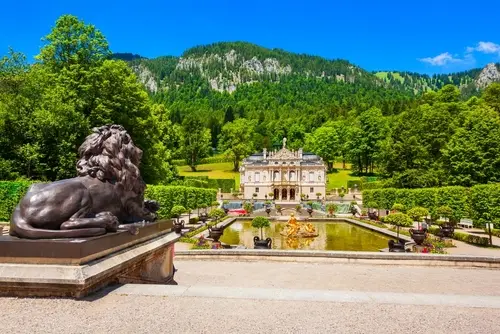
The Bavaria itinerary: Neuschwanstein and Linderhof castles, the Zugspitze cable car, the Eibsee, and boat trips on the Königssee.
-
Best from June to September for hiking, or December to March for skiing. Book Neuschwanstein timed-entry tickets six to eight weeks out in summer.
-
A rental car helps here, since alpine villages and trailheads are thin on rail connections.
Black Forest and Southwest Loop - We recommend: Freiburg + Baden-Baden + Heidelberg
-
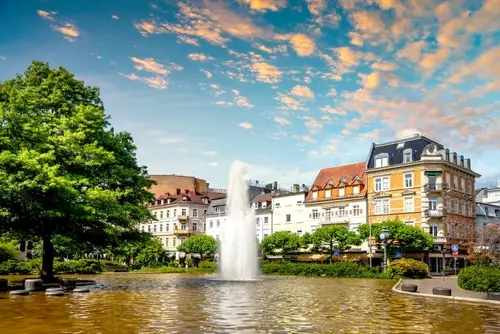
Built around the Schwarzwald: forest trails, waterfalls at Triberg, thermal baths in Baden-Baden and the Black Forest Panorama Road.
-
Freiburg is the sunniest city in Germany and makes a good base. Heidelberg adds a castle and a river valley at the end.
-
Pairs naturally with Strasbourg or Basel, both under two hours away across the border.
Christmas Market Trail - We recommend: Nuremberg + Dresden + Cologne
-
Three of the oldest and largest Christmas markets in Germany, running roughly from the end of November to 23 or 24 December.
-
Nuremberg’s Christkindlesmarkt for the Franconian sausages, Dresden’s Striezelmarkt for stollen, Cologne’s for the setting beside the cathedral.
-
Book accommodation early. December weekends in these three cities sell out months in advance.
Romantic Road and Old Towns - We recommend: Würzburg + Nördlingen + Augsburg
-
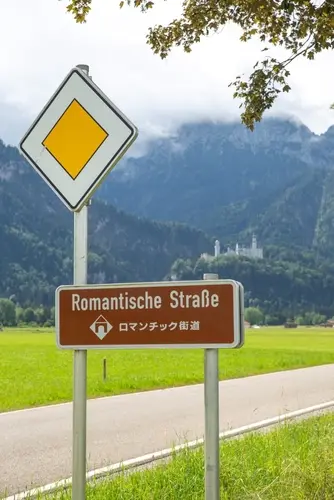
Follows the Romantische Straße through Franconia and Swabia, ending near the Alps at Neuschwanstein.
-
Würzburg has a UNESCO-listed Residenz and Franconian wine, Nördlingen sits inside a complete medieval wall, Augsburg dates to Roman times.
-
A driving route rather than a rail one. Allow 4 to 6 days and add Bamberg or Regensburg if you have longer.
Germany and Central Europe - We recommend: Berlin + Prague + Vienna
-
Links Germany with two neighbouring capitals on one rail corridor, with Dresden an easy stop between Berlin and Prague.
-
Berlin to Prague takes about four hours by train, Prague to Vienna about four more, so travel days stay short.
-
Works well over 10 to 14 days and suits travellers who want three distinct cities rather than one country in depth.
Nearby Destinations
Austria
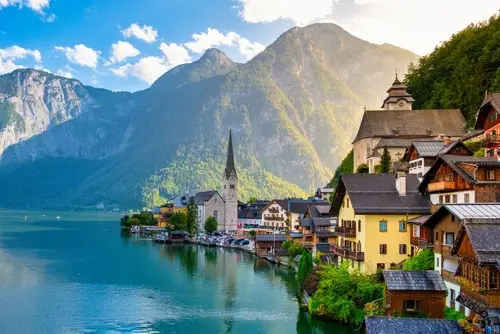
Just over the Bavarian border, Austria adds Salzburg, Vienna and the Tyrolean Alps. Munich to Salzburg takes about 90 minutes by train, which makes it one of the easiest side trips from Germany.
Switzerland
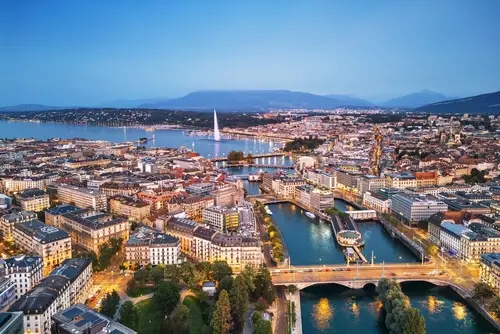
The Black Forest ends near the Swiss border, so Basel, Zurich and Lucerne sit within a couple of hours of southwest Germany. Good for scenic rail journeys and lakeside towns.
Czech Republic
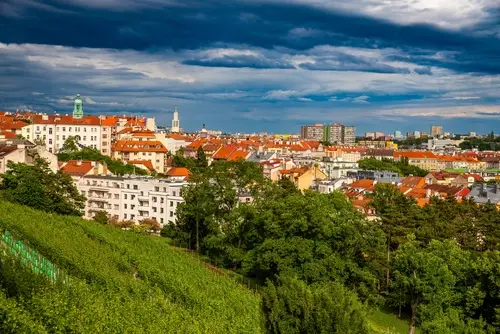
Prague is four hours from Berlin and two from Dresden by train, and Český Krumlov is close to the Bavarian border. Costs drop noticeably once you cross over.
Netherlands
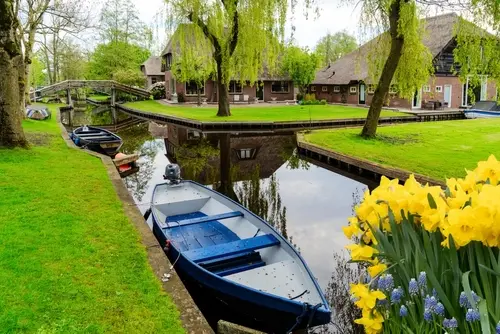
Amsterdam is under three hours from Cologne on the ICE, with Rotterdam and Utrecht on the same line. An easy add-on to any Rhineland itinerary.
Poland
Berlin to Poznań and Warsaw runs direct, and Kraków is a night train away. Poland suits travellers who want eastern European cities without long flights.