We are processing your request.
Please, don't close or refresh the page.

Discover Montpellier: Sun-Soaked Squares, Bold Architecture and Mediterranean Living

Explore the best things to do in Montpellier, from its historic Écusson and grand squares to Mediterranean beaches just minutes from the city centre

Tourism Tickets France Montpellier

How to Get to Montpellier

Montpellier is served by Montpellier–Méditerranée Airport (MPL), located around 7–8 km east of the city centre. It offers flights to Paris and a range of domestic and European destinations, with seasonal routes increasing in summer. Getting from the airport to the city:

  • Airport Shuttle (Navette) Connects the terminal to Place de l'Europe tram stop in about 15 minutes
  • Tram Line 1 From Place de l'Europe, around 10 minutes to Place de la Comédie
  • Bus Line 120 Regional service linking the airport with the city and coast
  • Taxi/Rideshare Around 10–15 minutes to the centre, typically €25–35

FAQs About Visiting Montpellier City

What are the best things to do in Montpellier?

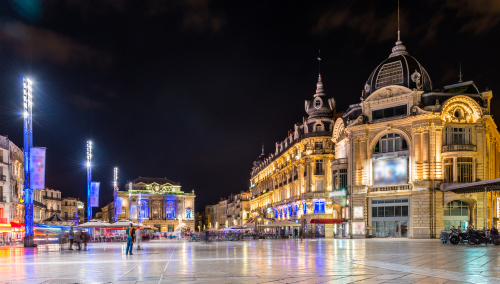
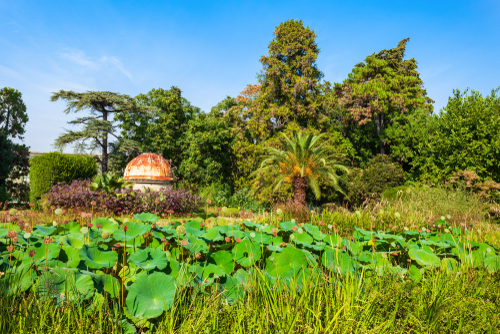
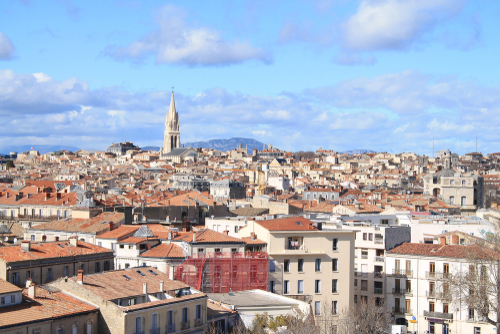
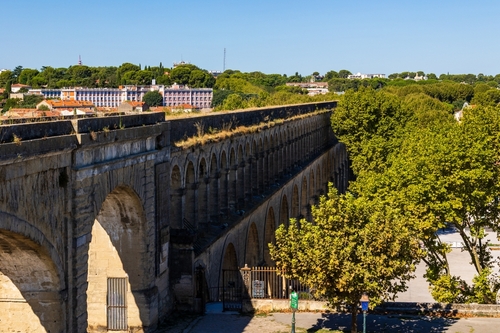
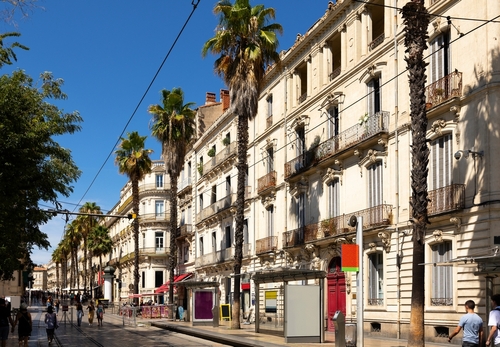
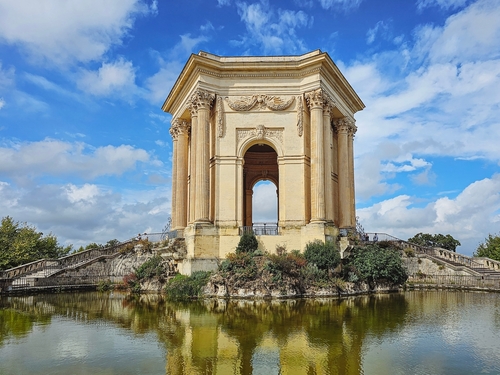
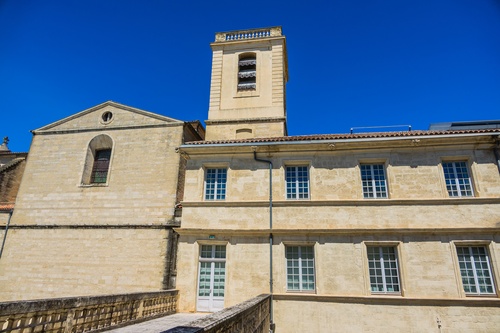
Some of the best things to do in Montpellier include strolling Place de la Comédie, exploring the medieval Écusson, climbing the Promenade du Peyrou for panoramic views, visiting Saint-Pierre Cathedral and the Musée Fabre, and relaxing in the Jardin des Plantes. With Mediterranean beaches just a short tram ride away, the city blends history, culture and seaside living.

What is the best time to visit Montpellier?

The best time to visit Montpellier is during spring (April to June) and early autumn (September to October), when the weather is warm and pleasant for sightseeing. Summer is hot and lively, ideal for beaches and festivals, while winter remains mild and quiet with far fewer crowds than most of Europe.

How many days do you need in Montpellier?

Most travellers find that 2 to 3 days in Montpellier is enough to explore the Écusson, Place de la Comédie, the Peyrou, the Musée Fabre and a nearby beach. Those planning day trips to Sète, Nîmes, the Pont du Gard or Aigues-Mortes may want to stay a little longer.

What is the best way to get around Montpellier?

Montpellier's colourful TaM tram network is the fastest and easiest way to travel around the city and reach the beaches. Visitors can buy single tickets, day passes or P+Tram park-and-ride passes. The historic Écusson is compact and best explored on foot, and Vélomagg bikes are available for short trips.

Are there beaches near Montpellier?

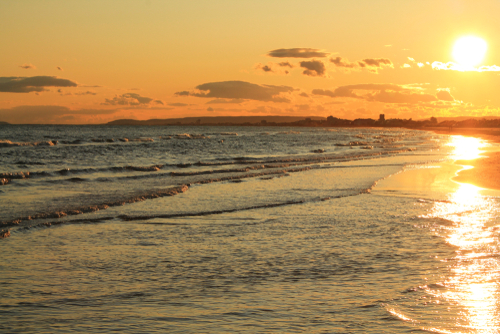
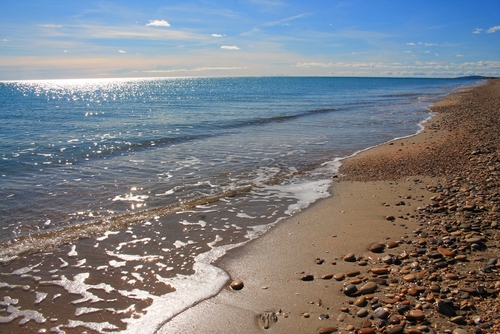
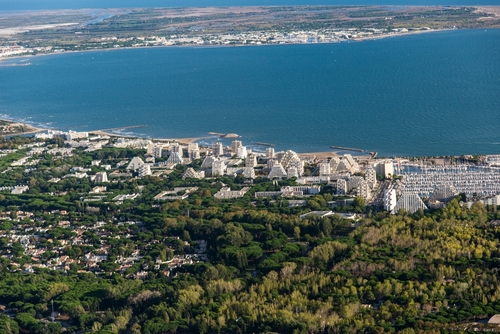
Yes. Montpellier sits just a few kilometres from over 20 km of sandy coastline. Palavas-les-Flots, Carnon and La Grande-Motte are all within easy reach, and you can take tram line 3 towards the coast and reach the beaches in around 30 minutes, even without a car.

What are the best day trips from Montpellier?

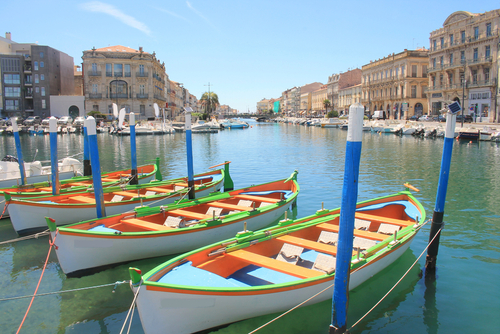
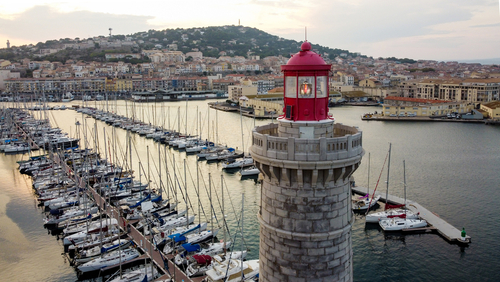
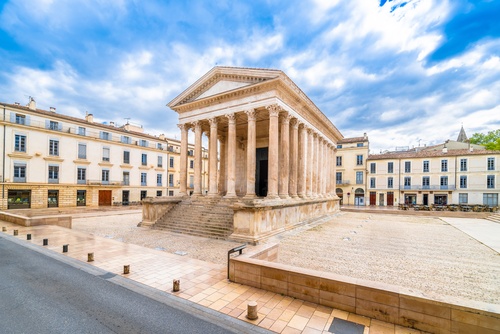
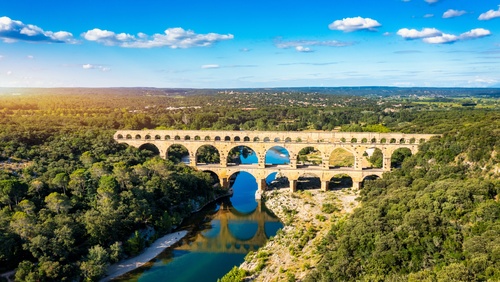
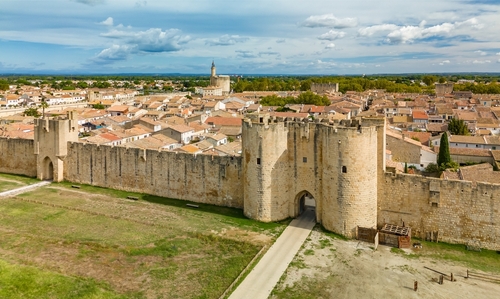
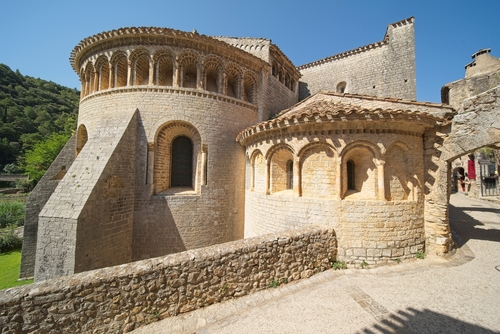
Some of the most popular day trips from Montpellier include Sète with its canals, the Roman city of Nîmes, the UNESCO-listed Pont du Gard, the medieval walled town of Aigues-Mortes, and the picturesque village of Saint-Guilhem-le-Désert. These offer a mix of history, coast, nature and authentic Languedoc culture.

Is Montpellier worth visiting?

Absolutely. Montpellier combines a beautifully preserved historic centre, grand squares, excellent museums and a young, energetic atmosphere thanks to its large student population. Add easy access to Mediterranean beaches and standout day trips, and it makes one of the most rewarding city breaks in southern France.

Is Montpellier expensive for tourists?

Montpellier is generally more affordable than Paris or the French Riviera, with reasonable prices for dining, attractions and accommodation. Costs rise in summer when the coast is busiest, so booking attractions and stays in advance can help visitors find better value.